







The Cognitive Scaffolding of Play
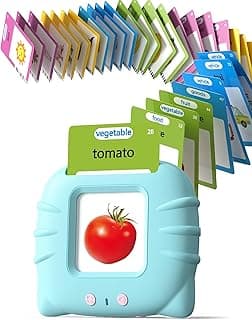
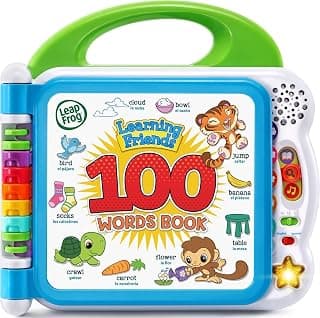
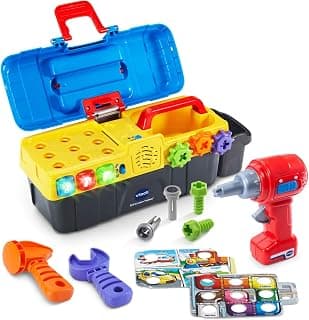
In developmental psychology, the concept of scaffolding refers to providing the right level of challenge to help a child reach the next stage of mastery. When evaluating the best gifts for toddlers, one must consider whether the object encourages active engagement or passive consumption. Electronic toys that perform actions for the child often lead to "learned passivity," where the toddler expects to be entertained rather than seeking to manipulate the world. In contrast, open-ended tools allow for the execution of internal schemas, which is essential for cognitive growth. Understanding how to come up with good gift ideas involves analyzing the child's current motor and cognitive milestones.
The quality of a toddler's play environment is directly correlated with the complexity of their symbolic thinking in later childhood. Objects that serve multiple purposes provide the highest return on cognitive investment.
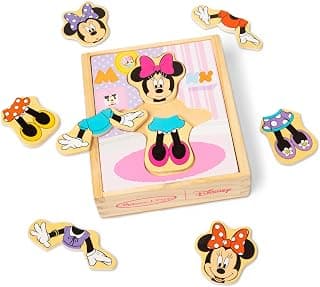
For instance, items that encourage fine motor skills, such as large blocks or stacking sets, allow toddlers to experiment with gravity, balance, and spatial awareness. These activities are foundational for mathematical reasoning. While a parent might look for best gift ideas for teens later in life, the foundations of logic are laid during these early years through tactile exploration.
| Gift Category | Developmental Focus | Psychological Benefit |
|---|---|---|
| Manipulatives (Blocks, Puzzles) | Fine Motor Skills | Enhances spatial reasoning and problem-solving persistence. |
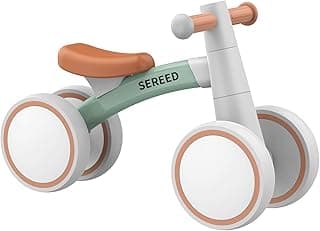
| Gross Motor Tools (Push Carts, Climbers) | Physical Coordination | Builds vestibulary strength and confidence in physical autonomy. |
| Imaginative Props (Kitchens, Dolls) | Social-Emotional Coding | Facilitates empathy and the understanding of social roles. |
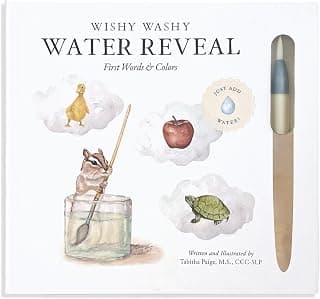
| Sensory Materials (Dough, Water Play) | Tactile Processing | Regulates the nervous system and encourages scientific inquiry. |
Emotional Value vs. Material Accumulation
There is a growing consensus within minimal living and parenting communities on platforms like Reddit that "toy fatigue" is a genuine psychological phenomenon. When presented with too many options, toddlers often experience a sensory overstimulation that decreases the duration and quality of their play. This leads to the conclusion that the emotional value of a gift is often inversely proportional to the quantity of items provided. The emotional connection is built through the shared experience of the gift rather than the ownership of the object itself.
Selecting best soft toys for a child can serve as a "transitional object," providing comfort and a sense of security during times of separation or stress. This emotional utility is far more significant than the material cost of the item. Furthermore, integrating the child into family traditions can be seen as what is the greatest gift a parent can give a child, as it fosters a sense of belonging and identity that outlasts any physical product.
True value in gifting is found in the intersection of a child's natural curiosity and a caregiver's willingness to engage in the child's world.
When considering the longevity of a gift, one should look for items that "grow" with the child. For example, best toy train sets offer simple push-along play for a younger toddler, while an older toddler can begin to construct complex track layouts, introducing elements of engineering and planning. This adaptability ensures that the gift remains relevant across different developmental sub-phases.
Logical Comparison: Passive vs. Active Toys
To provide a clear framework for selection, it is necessary to compare the outcomes of different toy types. The following table illustrates the behavioral impact of active versus passive gifting strategies.
| Variable | Passive/Electronic Toys | Active/Open-Ended Toys |
|---|---|---|
| Attention Span | Short-term, stimulus-driven. | Long-term, goal-oriented. |
| Creativity | Limited to programmed responses. | Infinite, dependent on imagination. |
| Social Interaction | Often solitary or parallel. | Encourages cooperative play. |
| Longevity | Becomes obsolete once mastered. | Remains relevant for years. |
By prioritizing active toys, givers ensure that the toddler remains the protagonist of their own play. This is particularly relevant when looking at best lego games or building sets, which require the child to visualize a structure and execute its creation, thereby strengthening the prefrontal cortex.
Safety and Durability: The Technical Perspective
Beyond psychological benefits, the best gifts for toddlers must adhere to rigorous safety standards. At this age, oral exploration is still common, making non-toxic materials and the absence of small parts (choking hazards) non-negotiable. Durability is also a logistical factor; toddlers explore physical properties through "testing," which often includes dropping, throwing, or stepping on objects. A gift that breaks easily not only poses a safety risk but also interrupts the child's learning process. As children transition toward school age, the focus might shift to more structured environments, such as finding the best christmas gifts for kindergarteners, but the requirement for robust construction remains constant.
Frequently Asked Questions (FAQ)
Is it better to give a toddler one large gift or several small ones?
One high-quality, open-ended gift is superior to multiple small, low-quality items. From a behavioral perspective, a single significant item encourages deep focus and extended exploration, whereas a multitude of small gifts often leads to "choice paralysis" and a fragmented attention span. By narrowing the focus, you allow the child to fully master the functions and possibilities of a single tool.
At what age do toddlers begin to appreciate the sentiment of a gift?
Sentimental appreciation typically begins to emerge around the age of three as children develop "Theory of Mind." Before this stage, the toddler values the immediate functional or sensory utility of the object. However, the emotional bond associated with a gift is formed much earlier through the positive reinforcement and social interaction provided by the giver during play. The object becomes a symbol of that safe and stimulating relationship.
How can I tell if a toy is too advanced for a toddler?
A toy is likely too advanced if the child exhibits signs of frustration or consistently uses the object in a way that ignores its primary mechanical function. While it is beneficial to provide gifts that offer a slight challenge (the Zone of Proximal Development), an item that is significantly beyond their motor or cognitive capabilities will be ignored. Always check the manufacturer's age recommendations as a baseline, but observe the individual child's specific milestones to make the final determination.
In summary, the most effective gifting strategy for toddlers is one that balances developmental science with emotional intelligence. By selecting high-quality, durable, and open-ended tools, givers provide more than just a temporary distraction; they provide a foundation for lifelong learning and a tangible expression of care that the child will carry into their later years.








