





The Cognitive Logic Behind Selecting the Best Gifts for Two Year Olds
From a psychological perspective, a two year old child is learning to navigate the relationship between their intentions and the physical world. This is a period where fine motor skills become refined enough to manipulate smaller objects, and gross motor skills allow for more confident exploration of their environment. Unlike the items one might consider when looking at best gift ideas for teens, gifts for toddlers must prioritize immediate tactile feedback and safety without sacrificing complexity that challenges their growing minds.
Experts in child development often advocate for open-ended play. These are toys that do not have a single designated function, allowing the child to dictate the play session. For instance, while a robotic dog might perform three specific tricks, a set of high quality wooden blocks can become a tower, a bridge, or a house. This autonomy is crucial for building self-efficacy.
The quality of play is directly proportional to the level of engagement the toy demands from the child, rather than the level of entertainment the toy provides.
Comparing Functional Value: A Systematic Analysis
To assist in the decision making process, it is useful to categorize potential gifts by their primary developmental benefit. The following table compares common categories based on their impact on early childhood milestones.
| Category | Primary Developmental Focus | Example Implementation | Long-term Value |
|---|---|---|---|
| Manipulatives | Fine Motor & Logical Reasoning | Building blocks, puzzles | High; evolves with child complexity |
| Imaginative Play | Social & Emotional Development | A best toy kitchen or costumes | Very High; facilitates empathy |
| Physical Activity | Gross Motor & Coordination | Balance bikes, tunnels | Medium; requires physical space |
| Introductory Arts | Creativity & Sensory Integration | Washable paints, play dough | High; encourages self-expression |
Emotional Value Versus Material Value in Early Childhood Gifting
In various online parenting communities, such as those found on Reddit, there is an ongoing debate regarding the saturation of toys in a child's environment. The consensus among minimalist parenting circles and childhood educators is that a few high quality, durable items provide more emotional value than a large volume of inexpensive plastic goods. When a gift is chosen with the child's specific temperament in mind, it becomes a tool for bonding between the giver and the recipient.
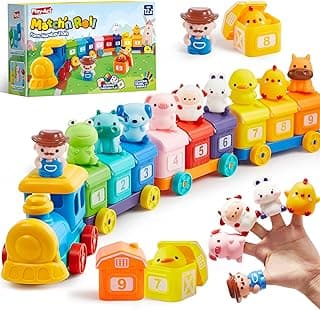
For a family member or friend, the act of giving a gift to a toddler is often an extension of support for the parents as well. This is particularly relevant when considering best first time mother gifts, where the focus is on the transition into parenthood. For a two year old, the emotional value of a gift is often tied to the "shared experience." A gift that allows a parent and child to sit together and build, such as best toy train sets, creates a neurological association between the object and the feeling of security and love. This reinforces the long term relationship far more effectively than an expensive but isolated electronic device.
Gifting is a silent language of investment in a child's future potential and current happiness.
Practical Recommendations Based on Behavioral Science
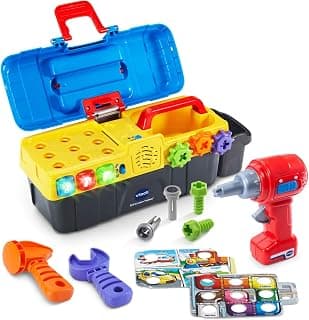
When selecting the best gifts for two year olds, consider items that bridge the gap between simple cause and effect and complex problem solving. At this age, children are highly mimicry-oriented. They want to do what they see adults doing. This makes functional miniature versions of adult tools highly effective gifts. For example, a child size best children's guitar or a set of gardening tools allows them to participate in family activities, fostering a sense of belonging and competence.
Furthermore, consider the sensory needs of the child. Two year olds are still very much in a "mouthing" phase for some, and a high tactile phase for all. Materials like natural wood, food grade silicone, and heavy cotton provide diverse textures that stimulate the nervous system in a balanced way, unlike the uniform feel of many mass produced plastics.
Frequently Asked Questions: The GiftsPick Framework
Is it better to buy one expensive gift or several small ones?
One high quality, durable gift is statistically superior for a two year old's development. Research indicates that children with fewer toys engage in longer, more creative play sessions because they are not overwhelmed by choice, which reduces cognitive fatigue and increases the depth of their exploration.
What is the greatest gift a parent can give a child?
The answer is consistent presence and engaged interaction. While physical objects are important tools, the question of What is the greatest gift a parent can give a child? is ultimately answered by the quality of time and emotional security provided. A gift should serve as a bridge for this interaction, rather than a replacement for it.
Should I consider gender-specific toys for a two year old?
No, there is no neurobiological evidence suggesting that two year olds benefit from gender-segregated toys. At this stage, both boys and girls benefit equally from the motor skill development of blocks and the emotional intelligence fostered by dolls or kitchen sets. Neutrality in toy selection allows the child to discover their own unique interests without societal bias.
What if I am buying for a friend's child and don't know their interests?
Direct communication with the parents is the most logical approach. Just as you might ask what can I get my best friend on her birthday to ensure utility, asking a parent about their child's current obsessions—whether it be animals, vehicles, or music—prevents the gifting of redundant items and ensures the gift will be utilized rather than stored.
Final Synthesis for the Thoughtful Giver
Ultimately, the best gifts for two year olds are those that respect the child's current capabilities while inviting them to step into their next phase of growth. Whether it is a tool for building, an instrument for music, or a set for imaginative play, the gift should prioritize durability, safety, and the potential for shared joy. By focusing on these logical and psychological foundations, the giver can be confident that their contribution is both meaningful and lasting, providing value that persists long after the initial excitement of the unwrapping has faded.








