
Technical Variables: Why Engineering Matters in Lighting
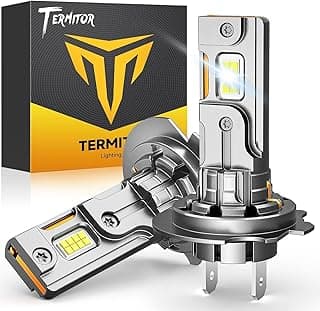
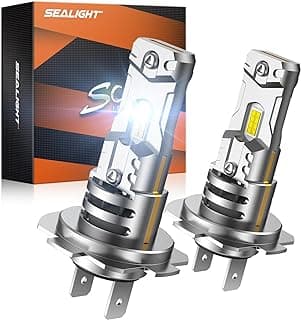
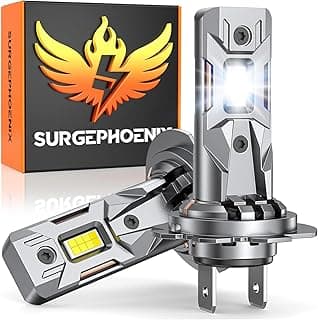
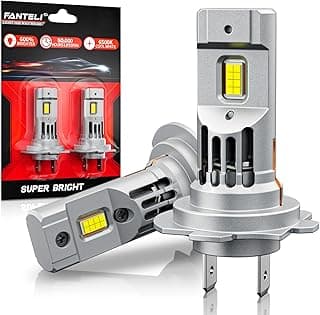
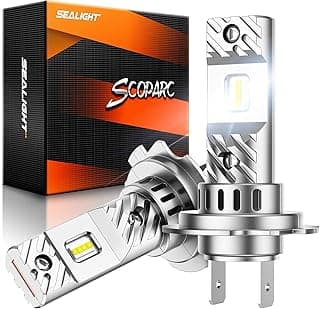
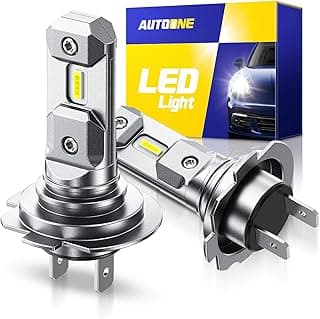
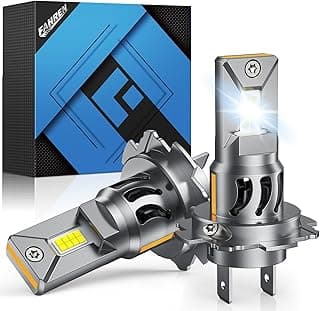
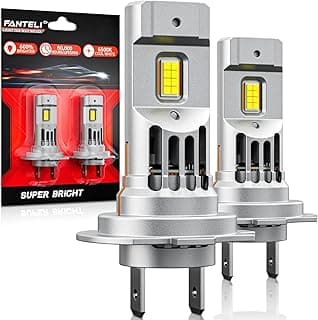
The efficiency of a headlight is determined by how accurately it projects light onto the tarmac rather than into the eyes of oncoming traffic. A high-quality LED bulb must utilize a thin copper substrate—the board on which the diodes are mounted—to mimic the width of a halogen filament. If the substrate is too thick, the light output will be "unfocused," resulting in dark spots and a beam pattern that fails to meet road safety regulations. When comparing the best h7 led headlight options with other common sizes like best 9006 led headlight bulbs, the engineering priority remains the same: optical alignment.
Gifting tech is about more than specifications; it is about upgrading the recipient's window to the digital world, ensuring every frame is a testament to quality.
Another critical technical hurdle is the vehicle's onboard diagnostic system, often referred to as CANBUS. Many modern cars monitor the power consumption of their lights; because LEDs draw significantly less current than halogens, the car may mistakenly report a bulb failure or cause the light to flicker. A gift-worthy LED kit must include an integrated or external "decoder" to bridge this electrical gap, ensuring a seamless "plug and play" installation for the recipient.
The Physics of Cooling: Active vs. Passive Systems
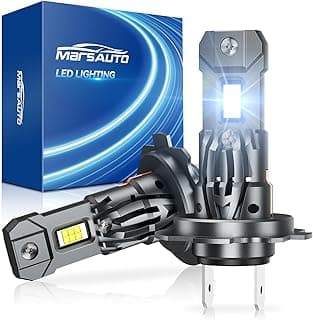
Heat is the primary enemy of LED longevity. While the light itself is cool, the base of the diode generates significant thermal energy that must be dissipated to prevent "thermal throttling"—a process where the bulb reduces its own brightness to prevent self-destruction. This is where the philosophy of "Buy It For Life" (BIFL) becomes crucial. You must distinguish between bulbs designed for 500 hours of use and those engineered for the life of the vehicle.
The following table compares the two primary cooling architectures found in high-performance automotive LEDs:
| Feature | Active Cooling (Turbo Fan) | Passive Cooling (Heat Sinks/Braided) |
|---|---|---|
| Thermal Dissipation | Highest; utilizes 12,000 RPM fans for rapid air exchange. | Moderate; relies on surface area and natural convection. |
| Physical Size | Bulkier; requires clearance inside the headlight housing. | Compact; often mirrors the size of a standard halogen. |
| Failure Points | Moving parts are susceptible to dust and bearing wear. | Zero moving parts; highly resistant to vibration. |
| Acoustics | Potential for a faint hum audible when the engine is off. | Completely silent operation. |
For someone seeking gifts for my best friend who owns a vintage or high-vibration vehicle, passive cooling is often the superior choice due to its mechanical simplicity. Conversely, for a daily commuter in a hot climate, an actively cooled bulb ensures consistent lumen output during long summer drives.
Consumer Skepticism: Decoding Lumen and Kelvin Claims
When browsing for the best rated led headlights, consumers are often bombarded with claims of "20,000 Lumens" or "6500K Cool White." From an engineering perspective, these numbers are frequently misleading. Raw lumens (produced at the chip level) are not the same as effective lumens (light that actually hits the road). Furthermore, "Cool White" light, while modern in appearance, can actually decrease visibility in rain or fog due to light "backscatter" off water droplets. A 5000K to 6000K temperature is the "sweet spot" for a gift, providing a crisp daylight appearance without sacrificing performance in inclement weather.
This technical nuance is what separates a thoughtful gift from a generic purchase. If you are exploring best aftermarket led headlight bulbs, verify that the manufacturer provides a "lux" measurement at 25 feet, which is a far more accurate representation of real-world performance than raw lumen counts. It is also wise to check for a "360-degree adjustable locker ring," which allows the installer to rotate the bulb to perfectly align with the specific reflector or projector housing of their car.
Multi-dimensional Empathy: Who Benefits Most?
Content regarding automotive tech often ignores the specific needs of different users. For the elderly driver, the best h7 led headlight is a tool to combat "night blindness" by increasing the contrast of road markings. For the rural inhabitant, a wider beam pattern can be the difference between spotting a deer at the wood's edge and a dangerous collision. Even when considering best h11 led headlight bulbs for fog lights, the goal is always to reduce the cognitive load on the driver.
If you are wondering, What should I gift on my birthday? for a parent or spouse, consider the peace of mind that comes with knowing they have the best possible visibility during their commute. It is a gift of safety that they will appreciate every single night they are behind the wheel.
Hidden Costs and Maintenance of LED Systems
While LEDs are marketed as "lifetime" products, they are not immortal. The "hidden cost" is usually lumen depreciation. Over several years, the diode will slowly lose its peak brightness. Higher-end kits use "intelligent temperature control" (ITC) drivers that monitor the heat of the chip and adjust current in real-time, significantly slowing this degradation. When gifting, it is worth spending more on a kit with an external driver—the small box attached to the wires—as this moves the heat-generating electronics away from the already hot LED chips, extending the life of the entire system.
Frequently Asked Questions
Are LED headlights legal to install in halogen housings?
Directly stated: It depends on local jurisdiction and the specific bulb design. In many regions, LED retrofits are designated for "off-road use" or must meet specific SAE/DOT beam pattern requirements to be road-legal. Always choose a bulb that preserves the "cut-off line" to ensure you are not blinding other drivers, which is the primary reason for legal restrictions.
Will these bulbs fit any car that takes an H7?
Yes, the H7 base is a standardized fitment, but physical clearance is the real variable. Some LED bulbs have large fans or heat sinks at the rear that may interfere with the headlight's dust cap. Before gifting, ensure the recipient's vehicle has at least 1-2 inches of clearance behind the current bulb socket or look for "compact" designs that match halogen dimensions.
Do I need to replace both bulbs if only one is dim?
Absolutely. You should always replace headlights in pairs to ensure consistent color temperature and light intensity across the road. Over time, all bulbs (both halogen and LED) shift in color and brightness; replacing only one will create an asymmetrical and distracting beam pattern that compromises safety.
In conclusion, choosing the best h7 led headlight requires a shift from superficial shopping to technical vetting. By focusing on thermal management, optical alignment, and driver compatibility, you can provide a gift that significantly upgrades a loved one's vehicle and, more importantly, their safety on the road.