
The Physics of Illumination: Why Lumens Are Only Half the Story
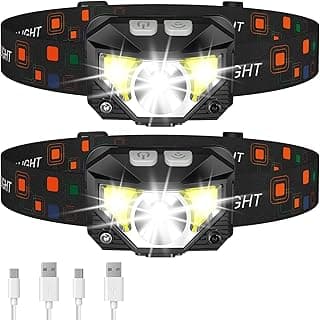
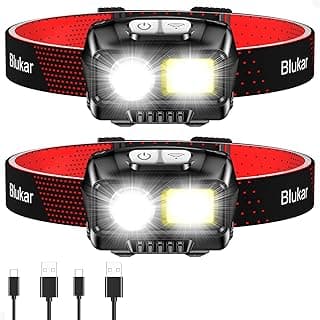
When searching for the best headlight for running, consumers are frequently bombarded with "lumen" ratings—a measure of total visible light output. However, from an engineering perspective, a high lumen count is useless if the beam pattern is poorly constructed. A "dirty" beam with artifacts, dark spots, or a flickering pulse-width modulation (PWM) can cause significant eye strain and even nausea during long runs. For a gift to be truly valuable, it must offer a stable, high-CRI (Color Rendering Index) light that allows the recipient to distinguish between a wet patch of pavement and a slick oil spill.
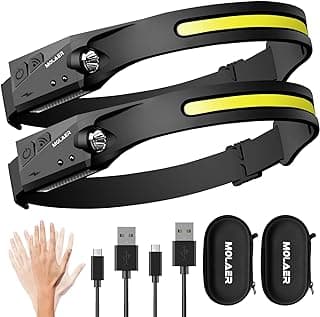
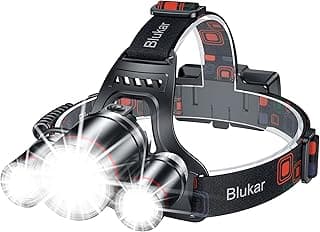
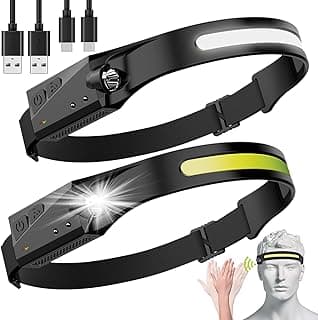
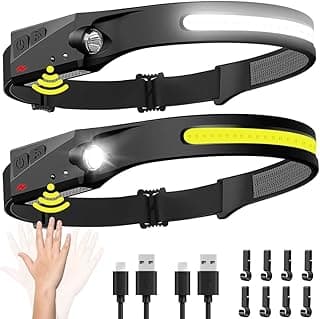
Optical throw and peripheral flood are the two variables that define a runner's experience. An urban runner requires a wide flood beam to maintain situational awareness of traffic and pedestrians. Conversely, a trail runner needs a focused spot beam to illuminate technical terrain and depth changes at a distance. When you consider how to come up with good gift ideas for an outdoor enthusiast, look for units that offer "reactive lighting" or hybrid beams that automatically adjust based on the ambient environment.
Gifting tech is about more than specifications; it is about upgrading the recipient's window to the digital world, ensuring every frame is a testament to quality.
Ergonomics and Weight Distribution: Preventing the "Bounce"
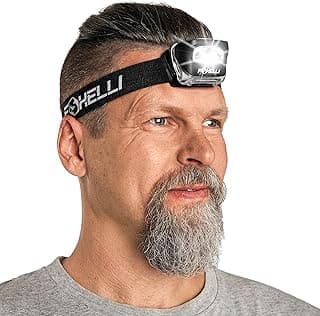
The primary mechanical failure of budget headlamps is poor static weight distribution. A heavy lamp housing concentrated entirely on the forehead creates a high center of gravity, leading to excessive vertical oscillation (bounce) with every stride. This movement is not just annoying; it causes the light beam to jitter, making it difficult for the runner's brain to process the path ahead. The most advanced designs move the battery pack to the rear of the headband, creating a counterweight that stabilizes the unit.
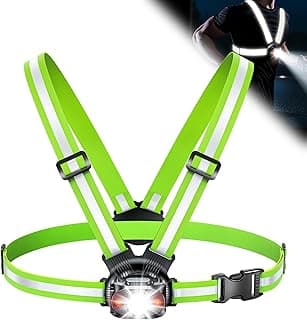
For those considering gifts for my best friend who trains for marathons, ergonomics should be the top priority. A lightweight, breathable headband with an adjustable tilt mechanism allows the runner to aim the light precisely where their footfalls land without straining their neck. This level of detail differentiates a thoughtful gift from a generic accessory. Often, the best headlight for running is paired with other high-performance gear, such as best running sneakers for women, to create a complete safety package for evening sessions.
Technical Specifications Comparison for Running Headlamps
To assist in your selection process, the following table breaks down the critical technical variables that define a professional-grade running headlight versus a standard utility light.
| Feature | Standard Utility Lamp | Professional Running Headlamp | Impact on the Runner |
|---|---|---|---|
| Beam Type | Fixed Spot | Hybrid (Flood + Spot) | Better situational awareness and depth perception. |
| Weight Distribution | Front-Heavy | Balanced (Rear Battery Option) | Reduces bounce and prevents forehead pressure sores. |
| Battery Chemistry | Alkaline (AAA) | Li-ion / 18650 Modular | Consistent output; lower long-term ownership costs. |
| IP Rating | IPX4 (Splash) | IP67 (Submersible/Dustproof) | Durability in torrential rain and dusty trail conditions. |
| Lumen Maintenance | Rapid Thermal Step-down | Active Thermal Management | Maintains consistent brightness without overheating. |
The "Buy It For Life" Philosophy: Battery Longevity and Repairability
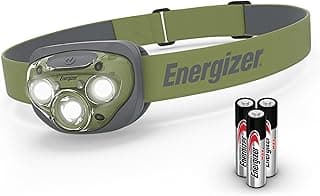
Modern consumer electronics are often plagued by planned obsolescence, particularly regarding non-replaceable lithium-polymer batteries. When selecting the best headlight for running as a gift, I recommend looking for "dual-fuel" models. These units can run on a proprietary rechargeable pack but are also compatible with standard alkaline or CR123A batteries. This ensures that if the runner forgets to charge their device before a race, they aren't left in the dark.
Furthermore, consider the availability of replacement parts. A high-quality headlamp should feature a replaceable headband, as elastic naturally loses its tension over years of sweat exposure and washing. Investing in a modular system is a hallmark of what is someone that loves technology would appreciate—a device that can be maintained rather than discarded. This approach aligns with the BIFL (Buy It For Life) philosophy, turning a simple gift into a decade-long companion. If you are looking for alternatives, exploring the best rechargeable headlight options can provide insight into which brands prioritize battery cycle life.
Integration with the Modern Runner’s Ecosystem
The best headlight for running does not exist in a vacuum; it is part of a broader ecosystem of performance tech. Many high-end headlamps now feature Bluetooth connectivity, allowing users to program specific brightness profiles via a smartphone app. This is particularly useful for ultra-marathoners who need to micromanage their battery life to survive through the night. When combined with best active watches, which track heart rate and pace, the headlamp completes the data-driven athlete's toolkit. It ensures that while the watch tracks the internal metrics, the headlamp secures the external environment. This synergy is essential for those using best walking and running shoes for women to maintain a consistent training schedule regardless of the sunset.
Frequently Asked Questions (AEO-FAQ)
Is a higher lumen count always better for running?
No, a higher lumen count is not inherently better because excessive brightness on light-colored pavement can cause "backscatter" glare, which actually reduces your night vision. For most urban running environments, 200 to 400 lumens with a high-quality lens is sufficient; higher outputs are typically only necessary for technical trail running where speed and terrain complexity require seeing much further ahead.
Can I use a standard camping headlamp for daily runs?
While you can use a camping headlamp, it is generally not recommended for high-impact activities like running because camping lights often lack the necessary balance and secure headband tension required to prevent "bounce." Dedicated running lights are engineered with a lower profile and more breathable materials to handle the sweat and constant movement of a gait cycle.
How does cold weather affect the battery of a running headlight?
Cold weather significantly reduces the effective capacity of lithium-ion batteries by increasing internal resistance, leading to shorter runtimes. If the recipient lives in a cold climate, the best headlight for running would be a model with a remote battery pack that can be tucked under a jacket to keep the cells warm using body heat, thereby preserving the discharge cycle.
What is the importance of a "red light" mode for runners?
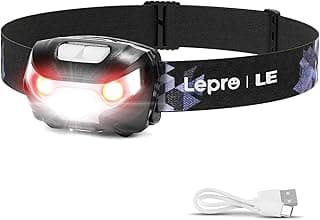
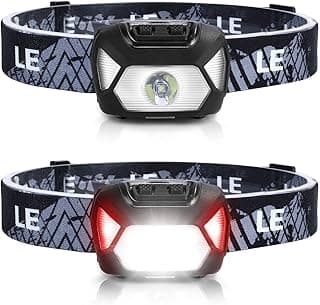
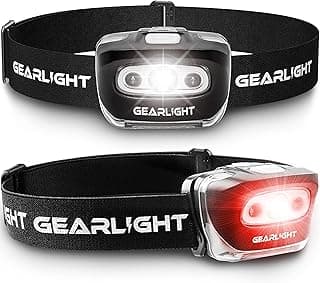
The red light mode is crucial for preserving the runner's natural night vision (rhodopsin levels) and for being less disruptive to others. It is also an excellent safety feature for being seen by motorists from behind without causing the blinding glare that a white strobe might produce in a driver's rearview mirror.
Ultimately, selecting the best headlight for running is about more than just finding a bright bulb. It is a technical evaluation of how light interacts with human motion. By focusing on weight balance, battery versatility, and optical precision, you are providing a gift that doesn't just sit on a shelf—it empowers the recipient to reclaim the night and push their physical limits in safety and comfort.