

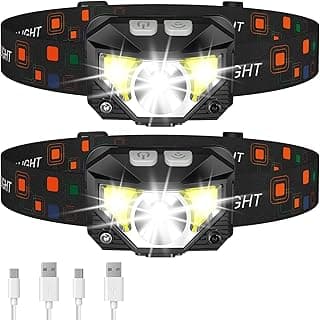
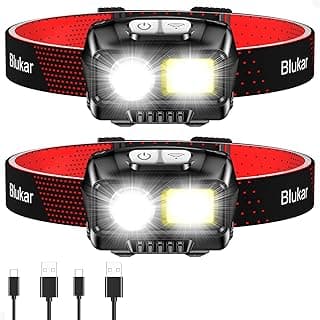
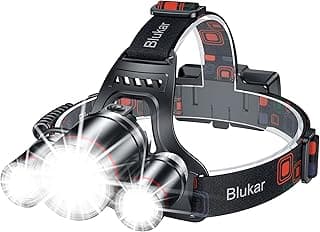
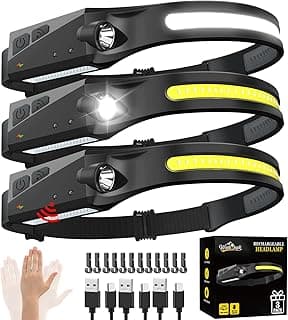
The Physics of Lumens, Lux, and Beam Pattern
In the world of portable illumination, understanding the distinction between total light output (lumens) and the intensity of light on a specific surface (lux) is critical. A flood beam is essential for close-up work, such as reading a map or repairing a circuit breaker, while a spot beam is necessary for long-range navigation. The best headlight for a specific user often utilizes a "mixed" or "reactive" lighting system that adjusts based on the distance to the object being viewed.
Gifting a best headlight flashlight to a tradesperson requires a focus on the Color Rendering Index (CRI). A high CRI LED allows the eye to distinguish between different colored wires in low-light environments, a feature often omitted in budget-tier products. For those wondering how to come up with good gift ideas?, considering the specific technical challenges of the recipient’s hobby—be it the need for a red-light mode to preserve night vision or a glove-friendly tactical switch—is the hallmark of a thoughtful strategist.
| Feature Category | Budget/Consumer Grade | Professional/BIFL Grade | Physical Impact |
|---|---|---|---|
| Housing Material | Low-density ABS plastic | Anodized 6061 Aluminum or Reinforced Polymer | Impact resistance and heat dissipation. |
| Battery System | Alkaline AAA (Prone to leakage) | Regulated Li-ion or High-capacity 18650 | Runtime stability and long-term cost. |
| Water Resistance | IPX4 (Splash proof) | IPX8 (Submersible to 2 meters) | Operational reliability in storms. |
| Light Regulation | Unregulated (Dims as battery dies) | Digital Constant Current Regulation | Consistent brightness throughout battery life. |
The "Buy It For Life" Philosophy: Avoiding Disposable Tech
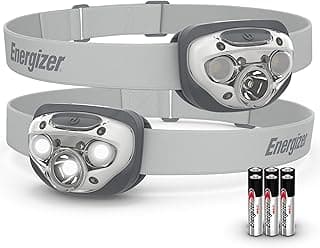
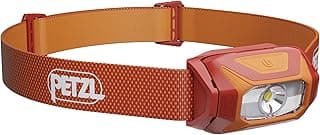
As independent testing experts, we advocate for the "Buy It For Life" (BIFL) philosophy. Most entry-level headlamps are ultrasonically welded shut, meaning that once the internal lithium-polymer pouch degrades after 300 charge cycles, the entire unit becomes e-waste. When searching for the best headlight, look for modular designs that allow for user-replaceable batteries and accessible components. This ensures the gift remains functional for a decade rather than a single season.
Gifting tech is about more than specifications; it is about upgrading the recipient's window to the digital world, ensuring every frame is a testament to quality.
Furthermore, consider the ergonomic weight distribution. A front-heavy lamp can cause "bounce" during dynamic movements like running, leading to neck strain. Professional models often move the battery pack to the rear of the headband, achieving a 50/50 weight balance. This level of detail is vital when the light is used in conjunction with other gear, such as best high dexterity winter work gloves or heavy-duty outdoor apparel. If you are considering what is a good experiential gift?, a high-end headlamp paired with a guided night-hiking tour creates a memorable, functional package.
Environmental and Operational Hidden Costs
Gifting a best rechargeable headlight is an environmentally conscious choice that also reduces the recipient's long-term operational costs. While the initial purchase price is higher, the avoidance of disposable alkaline batteries—which often fail and leak corrosive electrolytes—saves significant money over the lifespan of the device. However, ensure the charging interface is standardized (such as USB-C) rather than a proprietary magnetic cable that is difficult to replace if lost.
For those working in extreme environments, pair the lighting gift with protective gear like best warm waterproof gloves. A headlight is only as useful as the user's ability to operate it; if the buttons are too small to be used while wearing insulated gear, the tool fails in its primary mission.
Frequently Asked Questions
Is a higher lumen count always better for a headlight?
No, a higher lumen count is not a definitive indicator of quality and can often be detrimental. While high lumens provide more light, they generate excessive heat and drain batteries rapidly. For most tasks like hiking or camping, 300 to 500 lumens are sufficient; anything higher requires advanced thermal management systems to be effective for more than a few minutes.
What does the IP rating mean on a headlamp?
The IP (Ingress Protection) rating indicates how well the device is sealed against solids and liquids. The first digit refers to dust protection, and the second to water. A rating of IPX4 is sufficient for light rain, but for serious outdoor use, look for IPX7 or IPX8, which ensures the device will function even if dropped into a stream or subjected to a heavy downpour.
Are rechargeable headlamps better than battery-powered ones?
Yes, modern rechargeable headlamps using Lithium-ion technology are generally superior due to their weight-to-power ratio and consistency. However, the best professional models are "dual-fuel," meaning they can accept both a dedicated rechargeable pack and standard AAA batteries as a backup, providing maximum flexibility in remote areas where charging is not an option.
Why do some headlights have a red light mode?
Red light is used to preserve the human eye's natural night vision because it does not cause the pupils to contract as sharply as white light. This is an essential feature for astronomers, hunters, and campers who need to see their immediate surroundings without blinding themselves or their companions when the light is turned off.