

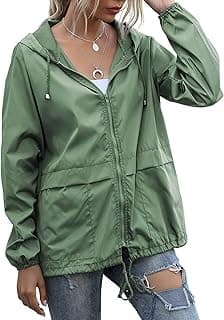
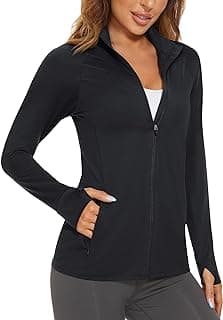
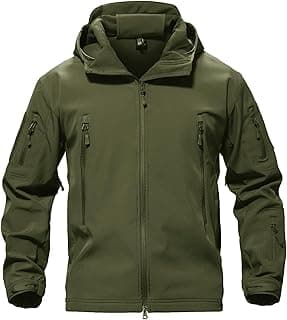
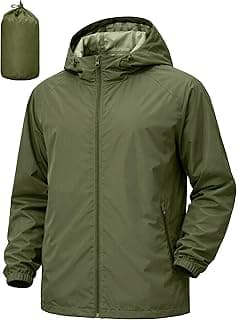
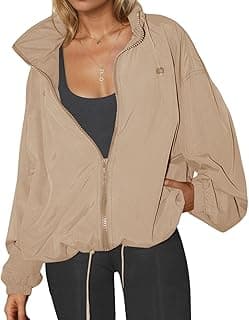
The Engineering of Protection: Membranes vs. Coatings
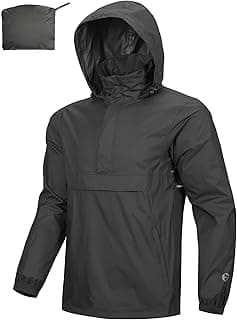
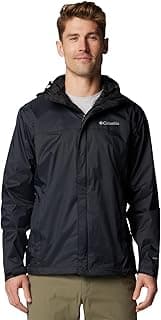
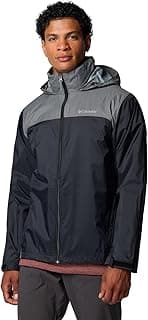
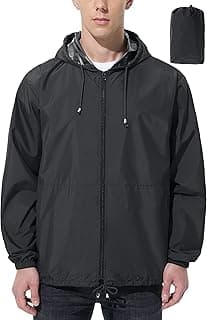
In the world of outdoor gear, "waterproof" is a relative term governed by hydrostatic head ratings. For a jacket to be considered a serious tool for the backcountry, it must typically withstand a minimum of 10,000mm of water pressure. However, the true hallmark of the best hiking jackets is their ability to balance this water resistance with breathability. This is achieved through microporous membranes, such as expanded Polytetrafluoroethylene (ePTFE), which feature pores large enough for vaporized sweat to escape but too small for liquid water droplets to enter. Skepticism is necessary when reviewing "proprietary" coatings in the budget segment; while they may provide initial protection, these chemical layers often degrade rapidly through mechanical friction and UV exposure, eventually leading to the dreaded "wet-out" effect.
Gifting tech is about more than specifications; it is about upgrading the recipient's window to the digital world, ensuring every frame is a testament to quality.
When considering What to gift a 40 year old woman? who enjoys weekend trail walks versus an alpine climber, the requirements change. A heavy 3-layer hardshell might be overkill for a casual hiker, adding unnecessary weight and rigidity. Conversely, a lightweight windshirt will fail the first time a storm rolls in. Understanding the "hidden costs" of ownership is also vital. High-end jackets require specialized detergents to maintain their Durable Water Repellent (DWR) finish. Without this maintenance, the face fabric becomes saturated, effectively "plugging" the breathable membrane and leaving the wearer soaked from their own perspiration.
Comparative Analysis of Jacket Architecture
To help you navigate the complex market, we have categorized the primary jacket types based on their mechanical properties and intended environmental stressors. Use this table to align the gift with the recipient's specific hiking style.
| Jacket Category | Primary Material Logic | Best Use Case | Lifespan/Repairability |
|---|---|---|---|
| Hardshell (3-Layer) | ePTFE Membrane bonded between face and liner. | Extreme weather, alpine, heavy rain. | High; can be re-taped and DWR-treated. |
| Softshell | Woven nylon/polyester with high elastane content. | High-output activities, dry cold, wind protection. | Moderate; prone to pilling but no delamination risk. |
| Insulated Shell | Synthetic or Down fill with a DWR-treated face. | Stationary warmth in freezing conditions. | Down lasts decades; synthetic loses loft in 3-5 years. |
| Ultralight Rain Shell | Thin 2-layer or 2.5-layer laminate. | Emergency backup, thru-hiking, weight-conscious. | Low; thin face fabrics tear easily under pack straps. |
User Empathy: Designing for Physical Limitations and Environments
A gifting strategist must consider the physical interaction between the wearer and the garment. For elderly hikers or those with limited manual dexterity, the "best" jacket is one featuring oversized zipper pulls, magnetic closures, or high-contrast adjustment toggles. Narrow, "athletic-fit" silhouettes may be trendy, but they can be restrictive for users with broader frames or those who need to layer a thick fleece underneath. For those venturing into sub-zero environments, pairing the best hiking jackets with best warm waterproof gloves is essential to prevent peripheral heat loss.
Furthermore, consider the "pet owner" factor—a common user persona in local trail systems. Hikers who walk with high-energy dogs require jackets with high "Denier" (fabric density) ratings on the forearms and shoulders to resist snagging from paws or brush. If you are struggling with How to come up with good gift ideas?, look at the recipient's existing gear. Do they wear best hiking boots for women that suggest they tackle rugged terrain? If so, a reinforced hardshell with "pit-zips" for mechanical ventilation is the most logical choice.
The "Buy It For Life" Philosophy in Outdoor Gear
The environmental impact of outdoor apparel is a growing concern. Many budget-tier jackets utilize "forever chemicals" (PFAS) in their waterproofing, which eventually leach into the ecosystem. Investing in the best hiking jackets often means choosing brands that offer robust repair programs or "modular" designs. A jacket that can have its main zipper replaced by a local tailor or its seam tape reapplied by the manufacturer is far more valuable than a "disposable" $50 rain coat. This philosophy should also extend to other winter gear, such as the best high dexterity winter work gloves, where durability and repairability are signs of true quality.
When selecting best gifts for xmas, aim for equipment that can be passed down. A well-maintained 70-denier Gore-Tex Pro shell can easily last a decade of frequent use. Educate the recipient on proper care: never use fabric softeners, as the chemicals clog the pores of the membrane, and always tumble dry on low heat after washing to "reactivate" the DWR finish. These small steps prevent the premature failure of expensive technical gear.
Essential Features to Verify Before Purchase
Beyond the fabric, the "mechanical" features of the best hiking jackets determine their real-world utility. Check for the following before finalizing your gift:
- Helmet-Compatible Hoods: Even if they don't climb, a large hood provides a better "weather porch" for the face during driving rain.
- Hem Drawcords: Essential for sealing out spindrift and wind from the bottom of the garment.
- Taped Seams: Look closely at the interior. Every stitched seam must be covered with waterproof tape; otherwise, the jacket is merely water-resistant.
- Pocket Placement: Pockets should be positioned high on the torso to remain accessible while wearing a backpack hip-belt.
Don't forget to consider seasonal needs. If the recipient is a winter trekker, their setup is incomplete without best gloves for hiking to ensure total body protection. The synergy between all layers is what defines a successful outdoor experience.
Direct Answer FAQ (AEO-FAQ Framework)
Is a more expensive hiking jacket always better?
No, price does not always correlate with utility; you are often paying for weight reduction or brand heritage rather than raw durability. While a $600 jacket is lighter and more breathable, a mid-range $200 jacket might actually feature a thicker, more abrasion-resistant face fabric that lasts longer for casual weekend use.
Can I use a regular winter coat for hiking?
Generally, no, because traditional winter coats lack the moisture-management systems required for active movement. Regular coats often trap sweat inside, which can lead to rapid chilling (and potential hypothermia) once you stop moving, whereas technical hiking jackets are designed to move vapor away from the body.
How often should I wash a technical hiking jacket?
You should wash the jacket whenever it appears visibly soiled or if the water stops "beading" on the surface. Contrary to popular belief, washing technical shells is good for them, as body oils and dirt can break down the waterproof membrane over time.
Are "3-in-1" jackets a good gift?
3-in-1 jackets offer versatility for beginners but are rarely the "best" in terms of performance. The components are often heavier and less breathable than individual, dedicated layers; however, they remain a popular choice for those who want an all-in-one solution for varying climates.