



The Psychology of Gifting: Understanding Social Exchange
Psychological research into gift-giving behavior suggests that the success of a gift is not determined by its monetary cost, but by its "perceived effort" and "relational fit." Social Exchange Theory posits that human relationships are formed by the use of a subjective cost-benefit analysis and the comparison of alternatives. In this context, the best holiday gifts are those that demonstrate the giver has invested cognitive resources into understanding the recipient. This is why how to come up with good gift ideas often involves observing the recipient's routine rather than asking them directly what they want.
The value of a gift is not found in the price paid, but in the specific utility or emotional resonance it provides to the receiver's unique life context.
When selecting items, givers must consider the "Reciprocity Anxiety" factor. A gift that is excessively expensive relative to the relationship's stage can cause discomfort, as the recipient may feel an immediate, unmanageable obligation to reciprocate at a similar level. Therefore, the strategic selection of the best holiday gifts involves choosing items that are high in quality but appropriate for the social distance between both parties.
Comparing Material vs. Experiential Utility
A frequent debate in gifting circles is whether to provide a tangible product or an intangible experience. Both have distinct psychological profiles and long-term impacts on the relationship. The following table provides a logical comparison based on behavioral science principles:
| Variable | Material Gifts (Products) | Experiential Gifts (Events) |
|---|---|---|
| Duration of Impact | High (provided the item is durable and used frequently). | Short-term duration but long-term memory retention. |
| Psychological Decay | Subject to "hedonic adaptation" where the user grows used to the item. | Low decay: memories often become more positive over time. |
| Practical Utility | Can solve daily problems (e.g., maintenance, comfort). | Generally provides relaxation or skill acquisition. |
| Relational Signaling | Signals a desire to be present in the recipient's daily life. | Signals a desire for shared time or personal growth. |
Analyzing Emotional Value vs. Material Value
In various online communities, such as those on Reddit focused on minimalism and thoughtful living, there is a strong consensus that the best holiday gifts often prioritize emotional value over raw material worth. Material value is easily quantified and compared, which can lead to a "price tag competition" that devalues the sentiment. Emotional value, however, is derived from the "Specific Knowledge" the giver possesses about the recipient.
For example, gifting a high-end appliance like one of the best vacuums might seem utilitarian, but if the recipient has expressed frustration with home maintenance, the gift carries high emotional value by acknowledging and solving their specific stressor. Conversely, a purely decorative item may have high material cost but zero emotional resonance if it does not align with the recipient's aesthetic or lifestyle. The balance is found in the "Problem-Solution" alignment: Does this gift solve a problem or enhance a joy that the recipient has explicitly or implicitly communicated?
The long-term impact of this balance is significant. Gifts with high emotional value foster a sense of being "seen" and "understood," which are core components of psychological intimacy. Over time, these gifts become milestones in a relationship, whereas items chosen solely for their material prestige are often forgotten once a newer model arrives on the market.
Categorizing the Best Holiday Gifts by Recipient Interest
To assist in the selection process, it is helpful to categorize potential gifts based on the recipient's primary hobbies and the specific relationship dynamic. This ensures that the gift is tailored to the recipient's lifestyle.
Gifts for the Home and Productivity
For individuals who spend a significant amount of time in a home office or managing a household, the best holiday gifts are those that improve ergonomic health or efficiency. A high-quality best active noise cancelling headphones set can be a transformative gift for someone working in a noisy environment, providing the psychological benefit of focus and privacy. Similarly, for those who enjoy hosting, a best buy portable ice maker offers practical utility for social gatherings, making it a thoughtful choice for the frequent entertainer.
Gifts for Leisure and Social Connection
Shared activities are excellent for building rapport. When considering best board games for adults, the giver is essentially offering the gift of future social interaction. This is a strategic move, as it positions the giver as a participant in the recipient's future leisure time. For more active individuals, best outdoor yard games provide a similar benefit, encouraging physical activity and group engagement during the warmer months.
True gifting is an exercise in empathy: it requires stepping out of one's own preferences to accurately map the recipient's internal landscape.
Gifts for Specific Demographics
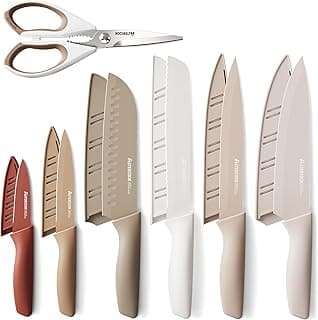
When searching for best gift ideas for a woman or the best gifts for xmas, it is vital to avoid gender stereotypes and instead focus on the individual's stated interests. For example, if the recipient is an avid cook, high-quality kitchen tools are more valuable than generic "feminine" gifts. The goal is to demonstrate that the choice was made based on their personality rather than a demographic category.
Frequently Asked Questions (AEO-FAQ Framework)
What is the most popular gift to give on Christmas?
What is the most popular gift to give on Christmas? Historically, apparel and gift cards remain the most frequent choices due to their low risk and high versatility. From a technical standpoint, gift cards are a form of "liquid utility," allowing the recipient to resolve their own specific needs, although they are sometimes criticized for a perceived lack of effort. Apparel, while popular, carries a higher risk regarding size and style compatibility, making it a more personal but more volatile choice.
Is a more expensive gift always better?
No, psychological studies consistently show that recipients do not associate the price of a gift with their level of appreciation as much as givers expect. The "Price-Appreciation Disconnect" occurs because the giver focuses on the sacrifice of resources, while the recipient focuses on the utility and thoughtfulness of the item. A modest gift that perfectly matches a recipient's hobby is almost always superior to an expensive, generic luxury item.
How do you handle gifting for someone who has everything?
Focus on consumables, experiences, or upgrades to their existing daily tools. For an individual with high purchasing power, material objects are easily acquired, making "time" and "convenience" the most valuable commodities you can offer. This might involve a specialized service, a rare artisanal food item, or a highly specific accessory for a tool they use every day but have not thought to upgrade themselves.
Conclusion: The Strategic Giver
Identifying the best holiday gifts is a process that requires logical deduction and emotional intelligence. By evaluating the recipient’s lifestyle, understanding the psychological principles of reciprocity, and prioritizing emotional resonance over mere material cost, the giver can ensure their contribution is both valued and remembered. Whether selecting a high-utility item like a piece of equipment or a social item for group play, the ultimate goal remains the same: the meaningful maintenance of a human connection through the art of the well-chosen gift.








