



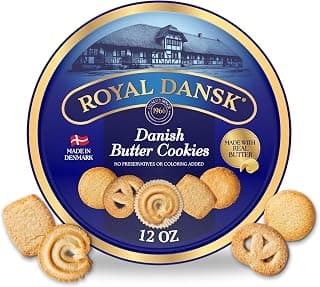


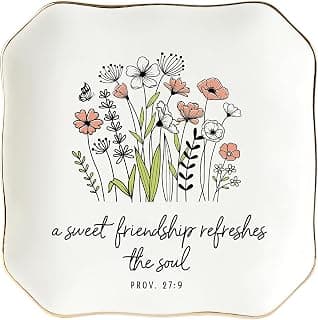


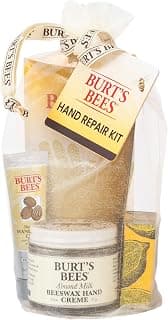
The Psychology of Gifting: Why the Best Hostess Gifts Matter
Behavioral science suggests that gifting is rooted in the principle of reciprocity. When a host provides food, drink, and space, the guest feels a subconscious "debt." The best hostess gifts serve to balance this equation. However, the efficacy of the gift depends on its alignment with the host’s personality. A gift that ignores the host’s preferences can be perceived as an obligation rather than an offering. For example, bringing a bottle of wine to a non-drinker is a logistical error that signals a lack of attentiveness.
To navigate these nuances, one must categorize gifts based on their functional and emotional impact. Consumable items are often preferred for casual acquaintances, while durable goods are better suited for closer relationships. If you are visiting a friend who has recently renovated their outdoor space, considering best outdoor patio table and chairs accessories or high-quality linens can demonstrate that you have noticed and valued their personal investments.
Comparing Gifting Variables: Consumables vs. Durable Goods
Understanding which category a gift falls into is essential for ensuring it is well-received. The following table provides a structured comparison of the two primary types of hostess gifts.
| Feature | Consumable Gifts (Food, Candles, Flowers) | Durable Gifts (Tools, Decor, Books) |
|---|---|---|
| Social Risk | Low. Minimal long-term commitment for the host. | Moderate. Requires space and matches specific aesthetics. |
| Longevity | Temporary. Enjoyed in the moment or shortly after. | Long-term. Becomes a permanent part of the home. |
| Ideal For | Large parties, casual acquaintances, or first-time visits. | Close friends, intimate dinners, or specific milestones. |
| Examples | Artisan chocolates, luxury soaps, or wine. | Decanters, coffee table books, or specialized kitchen tools. |
When selecting from these categories, one must also consider the specific context of the invitation. If the event is a formal celebration of a new residence, guests often ask do you bring gifts for housewarming? The consensus among etiquette experts is an affirmative response, as the gift marks a significant life transition. In such cases, the best gift basket ideas often combine both consumable and durable elements to provide a comprehensive experience of luxury and utility.
Analyzing Relationship Dynamics and Hobby Alignment
The relationship between the giver and the recipient dictates the "permission level" for certain gifts. A casual acquaintance should stick to "safe" territory, such as high-quality pantry staples or a neutral-scented candle. However, for a close friend, the gift should reflect a deep knowledge of their interests. If the host is known for their love of mixology, a best cocktail ice maker or a set of professional-grade bitters would be highly appropriate.
Similarly, for a host who enjoys outdoor entertaining and culinary arts, items that complement a best backyard bbq grill setup show that the guest has put thought into how the host actually spends their time. This alignment is what separates a generic gift from the best hostess gifts. It transforms the item from a mere "price tag" into a "thoughtful gesture." This is particularly important when considering best gift ideas for a woman who values practical elegance over superficial flashiness.
The most successful gifts are those that solve a small problem or enhance a frequent joy without requiring the recipient to change their lifestyle.
Emotional Value vs. Material Value: A Critical Perspective
The "Material Value" of a gift is its market price, whereas the "Emotional Value" is the degree to which it strengthens the social bond. A common pitfall in gifting is the assumption that a higher price point equates to a better gift. Research and community discussions, particularly within practical living circles on platforms like Reddit, suggest that "clutter" is a significant negative byproduct of poor gifting. If a gift is expensive but useless, it creates a "guilt burden" for the host, who feels obligated to keep it despite its lack of utility.
To maximize Emotional Value, a gift should satisfy one of three criteria: 1. It is something the host uses frequently but rarely "splurges" on for themselves (e.g., high-end olive oil). 2. It facilitates a shared experience (e.g., a board game for a group that loves game nights). 3. It acknowledges a specific achievement or hobby (e.g., a specialized tool for a gardener).
By focusing on these elements, the guest ensures that the gift is seen as a tribute to the host's identity. This approach effectively mitigates the risk of giving something that ends up in a donation bin. It is also important to recognize what is not a good housewarming gift, such as overly large furniture or high-maintenance pets, which impose a material burden that outweighs any potential emotional gain.
Direct Answer Framework: Frequently Asked Questions
Is it mandatory to bring a gift to every dinner party?
Yes, bringing a small token of appreciation is standard etiquette for a dinner party, as it acknowledges the host’s financial and time investment. While the gift does not need to be expensive, a physical "thank you" helps maintain social harmony and signals your gratitude for the invitation. In very close, frequent social circles, the "gift" may evolve into a reciprocal hosting arrangement, but a small consumable is always a safe and polite choice.
Should I bring flowers as a hostess gift?
No, bringing unarranged flowers is generally discouraged because it forces the host to stop their preparations to find a vase and trim the stems. If you wish to give flowers, they should arrive already in a vase or be sent the day before the event. This prevents the "gift" from becoming a "task" for the host during the busiest part of the evening. Alternatively, a potted plant or a high-quality dried arrangement offers the same aesthetic benefit without the immediate maintenance requirement.
How much should I spend on a hostess gift?
The price of a hostess gift should be proportionate to the occasion and your relationship with the host, typically ranging from twenty to fifty dollars for a standard dinner. For more significant events, such as a weekend stay or a major milestone, the budget may increase. However, the focus should always be on the "thought-to-cost" ratio. A fifteen-dollar jar of locally sourced honey often carries more emotional weight than a forty-dollar generic department store candle because it demonstrates local support and specific taste.
In conclusion, the best hostess gifts are those that serve as a bridge between the guest's appreciation and the host's lifestyle. By adhering to the principles of neutrality, practical utility, and emotional resonance, a guest can ensure their presence is remembered fondly long after the event has concluded. Whether it is a simple consumable or a durable item tailored to a specific passion, the gift remains the ultimate symbol of a gracious guest.








