


The Psychology of Reciprocity in Selecting Best Hosting Gifts
Social psychology defines reciprocity as a fundamental human drive to return favors and maintain balanced relationships. In the context of a hosted event, the host provides "social capital," and the guest typically feels a subconscious "social debt." Providing a gift is a logical method to alleviate this pressure. However, the effectiveness of the gift depends heavily on its alignment with the host's personality and the nature of the event. When guests ask do you bring gifts for housewarming parties or casual dinners, the answer is rooted in the desire to validate the host's labor. Research into behavioral economics suggests that gifts which reduce a host's future labor or provide immediate sensory pleasure are the most highly valued.
| Gift Category | Psychological Impact | Ideal Relationship Context |
|---|---|---|
| Consumables (Wine, Chocolate) | Immediate gratification; no long-term storage burden. | Acquaintances and casual friends. |
| Functional Home Goods | Demonstrates long-term investment in the host's comfort. | Close friends and family members. |
| Experience-Based Gifts | Strengthens emotional bonds through shared future memories. | Extremely close relationships or milestone events. |
A hosting gift is not a payment for services rendered; it is a diplomatic gesture that acknowledges the vulnerability and effort of opening one's private sanctuary to the public.
Strategic Selection Based on the Occasion
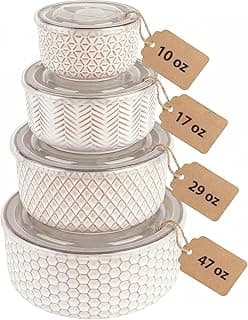
The occasion dictates the appropriate scale and nature of the gift. For example, a formal dinner party requires a different approach than a multi-day house stay. When attending a celebration for a new residence, understanding what is a traditional gift for a new home can provide a safe, socially acceptable starting point. Salt, bread, and wine are classic choices that carry symbolic meanings of wealth, health, and joy. For more modern settings, the best gift ideas for housewarming often revolve around high-quality kitchen tools or textiles that integrate seamlessly into the new environment.
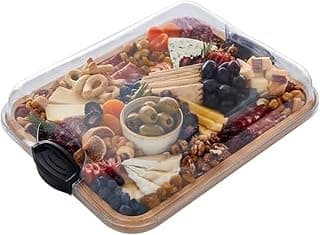
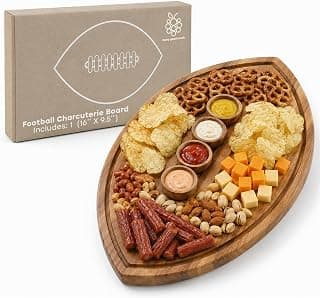
For those attending larger gatherings where the host may be overwhelmed, pre-packaged edible arrangements are highly efficient. Options such as the best sausage and cheese gift baskets provide a ready-to-serve component that the host can either share with guests or enjoy privately after the event. These items are preferred because they do not require immediate preparation by the host, thus avoiding the "added labor" trap. When logistics are a concern, sourcing the best gift baskets on amazon ensures timely delivery and a variety of themes suited to different dietary preferences.
Matching Gifts to Relationship Tiers
The degree of intimacy between the giver and the recipient should guide the gift's specificity. A gift that is too personal for a casual acquaintance can create social discomfort, while a gift that is too generic for a close friend may signal a lack of effort. When considering best anniversary gifts for couples who are hosting a milestone party, the gift should reflect their shared history. Conversely, for a professional colleague, a high-quality candle or a neutral gourmet item is more appropriate.
| Relationship Tier | Recommended Gift Approach | Risk Factor |
|---|---|---|
| Professional / Acquaintance | High-quality, neutral consumables. | Low: Difficult to offend, though may lack "soul." |
| Close Friends | Personalized items related to known hobbies. | Medium: Requires accurate knowledge of preferences. |
| Immediate Family | High-utility items or "upgrades" to daily tools. | High: Can be seen as too utilitarian if not framed correctly. |
Emotional Value versus Material Value
A recurring theme in online communities, particularly within Reddit's gifting and minimalist subreddits, is the "burden of the object." A common critique of traditional hosting gifts is that they often lead to clutter. Therefore, the emotional value of a gift is frequently found in its thoughtfulness rather than its price tag. The best hosting gifts are those that show the guest has paid attention to the host's lifestyle. For instance, if a host has recently mentioned a struggle with maintaining their living space, a high-utility item such as the best vacuum for wood floors—given with a lighthearted, supportive message—can be significantly more impactful than a decorative trinket.
The emotional impact of a gift is measured by how well it "solves" a host's problem or enhances their relaxation. A bottle of wine is a nice gesture, but a curated selection of artisanal teas for a host who does not drink alcohol shows a much higher level of emotional intelligence. This shift from material focus to emotional focus is what sustains long-term relationships, as it demonstrates that the guest values the host as an individual, not just a service provider.
The most successful gifts are those that are used and finished, or those that are used and cherished; the least successful are those that are merely stored.
Practical Guidelines for Gift Distribution
When selecting the best hosting gifts, timing and presentation are secondary only to the choice of the item itself. It is often debated whats a good housewarming gift amount in terms of monetary value. Generally, the value should be proportional to the complexity of the event and the budget of the guest. Overspending can make the host feel uncomfortable or obligated to reciprocate at a level they cannot afford, while underspending can appear dismissive of their efforts. A balanced approach focuses on quality within a reasonable budget.
The Maintenance Trap
Avoid gifts that require immediate attention. Fresh flowers in a bunch, while beautiful, require the host to stop what they are doing, find a vase, trim the stems, and arrange them. This adds to the host's workload during the peak of their stress. A better alternative is a potted plant or flowers that already come in a vase. Similarly, food items that require refrigeration or cooking should be avoided unless explicitly requested by the host for the meal being served.
Frequently Asked Questions (FAQ)
Do you have to bring a gift every time you visit?
Yes, bringing a token of appreciation is standard social etiquette for organized events or meals, though it is not necessary for brief, casual visits. For recurring events like a weekly game night, guests often rotate who brings snacks or drinks rather than bringing a formal gift every time. This shared responsibility maintains the relationship balance without the need for constant formality.
Is it acceptable to bring cash as a hosting gift?
No, cash is generally considered inappropriate for a hosting gift as it feels transactional and clinical. Cash lacks the personal consideration that defines a gift of appreciation. If you wish to provide financial support, a gift card to a local restaurant or a specialty store the host enjoys is a more socially acceptable way to achieve the same goal while maintaining a personal touch.
Should I bring a gift if the host said 'no gifts'?
No, you should respect the host's request to avoid bringing a physical gift if they have explicitly asked you not to. In these cases, the "gift" is your presence and your adherence to their wishes. However, a handwritten thank-you note sent a few days after the event is always an appropriate and appreciated gesture that does not violate the "no gifts" rule.
How much should I spend on the best hosting gifts?
The appropriate amount typically ranges from $20 to $100 depending on the formality of the event and your relationship with the host. For a casual dinner, a $20 to $30 bottle of wine or specialty chocolate is sufficient. For a weekend-long stay, a gift in the $75 to $100 range, or a contribution toward a shared meal, is more appropriate to reflect the higher level of hospitality provided.
Ultimately, the best hosting gifts are those that facilitate a deeper connection between the guest and the host. By focusing on utility, emotional intelligence, and the reduction of host labor, guests can ensure their presence is remembered as a positive and thoughtful addition to any gathering.