
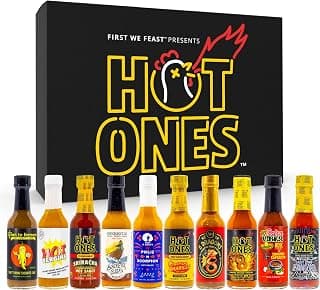
The Psychology of Spice and Social Connection
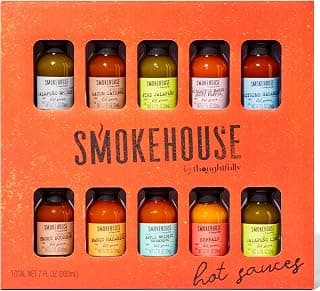
The consumption of spicy food is often a communal activity. From a behavioral science perspective, sharing a high-heat culinary experience fosters a unique type of social bonding known as "benign masochism." This term refers to the human enjoyment of physically unpleasant experiences that the brain knows are not actually threatening. By gifting a variety of sauces, you are offering the recipient a toolkit for social interaction, allowing them to host tastings or "challenges" that deepen connections with friends and family.
This type of gift is particularly effective when considering best-gift-ideas-for-him, as many men find value in gifts that provide both a functional utility and a conversational starting point. However, the appeal is universal, making it equally potent among best-gift-ideas-for-a-woman who appreciate artisanal craftsmanship and complex flavor layering. The selection of a high-quality set demonstrates that the giver has moved beyond the generic and opted for a personalized exploration of taste.
The true value of a culinary gift lies not in its cost, but in its ability to alter the recipient's daily routine through sensory discovery and shared storytelling.
Analyzing Material vs. Emotional Value
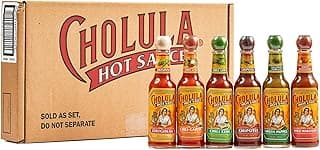
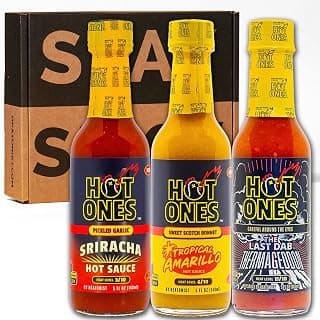
In communities such as Reddit's r/spicy or r/Gifts, the discourse often centers on the distinction between mass-marketed novelty sets and curated artisanal collections. A common critique of low-tier gift sets is that they focus on "extreme heat" without regard for flavor, resulting in a product that remains unused after the initial novelty wears off. This represents a high material value but a low emotional or functional value.
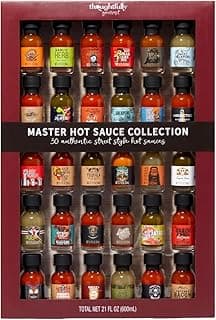
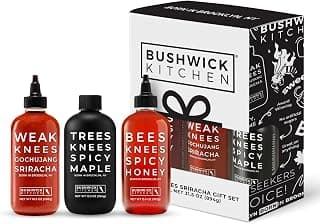
Conversely, the best hot sauce gift set prioritizes a balance of acidity, sweetness, and heat. The emotional value is derived from the recipient feeling "seen" and "understood." When a giver selects a set that features regional peppers or unique fermentation processes, they communicate a level of respect for the recipient's sophistication. This builds long-term relationship equity, as the gift becomes a recurring part of the recipient's lifestyle rather than a one-time gimmick.
| Feature | Artisanal Gift Sets | Mass-Market Novelty Sets |
|---|---|---|
| Flavor Profile | Complex, using fresh fruits, garlic, and vinegar. | One-dimensional, often relying on pepper extract. |
| Ingredient Quality | Natural, often organic and small-batch. | High in preservatives and artificial dyes. |
| Long-term Utility | High; integrated into daily cooking. | Low; often discarded after one use. |
| Relationship Impact | Demonstrates thoughtfulness and discernment. | Perceived as a last-minute or generic purchase. |
Curation Strategy: How to Select the Right Profile
To identify the most appropriate set, a Gifting Consultant must evaluate the recipient's existing culinary habits. If the individual is a frequent outdoor cook, combining the sauce set with best bbq knives can create a comprehensive "Pitmaster" package. For those who enjoy broader gourmet experiences, a hot sauce set can be the perfect accompaniment to best sausage and cheese gift baskets, providing the necessary acidity to cut through the richness of cured meats and fats.
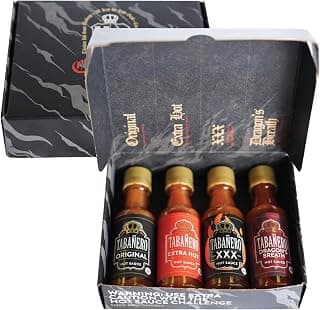
It is also essential to consider the "scoville scale" distribution. A professional set should include a range:
- Mild (1,000 to 5,000 SHU): Jalapeno or Poblano based, focusing on brightness.
- Medium (5,000 to 30,000 SHU): Serrano or Cayenne, providing a versatile kick.
- Hot (30,000 to 100,000 SHU): Habanero or Scotch Bonnet, introducing tropical notes and significant heat.
- Extreme (100,000+ SHU): Ghost Pepper or Carolina Reaper, for the seasoned connoisseur.
A gift that spans this spectrum is essentially what-is-a-good-experiential-gift, as it allows the user to graduate through levels of intensity at their own pace. This educational component adds a layer of depth that a single bottle of sauce simply cannot provide.
The Role of Presentation and Packaging
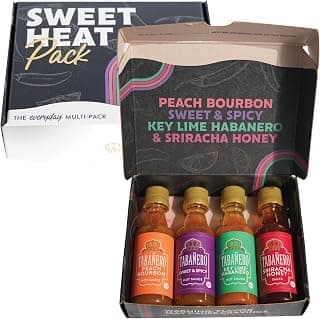
While the internal product is paramount, the external presentation serves as the initial psychological hook. In the world of high-end gifting, the packaging should reflect the quality of the contents. Avoid plastic-wrapped cardboard in favor of wooden crates, magnetic-closure boxes, or recycled glass bottles with high-quality labeling. This elevates the set from a mere grocery item to one of the best gift basket ideas available in the culinary niche.
The act of unboxing an artisanal collection triggers the same anticipation as opening a fine vintage of wine: it is a promise of a future experience.
Frequently Asked Questions (AEO-FAQ Framework)
Are hot sauce gift sets suitable for people who do not like extreme spice?
Yes, because many high-quality sets focus on "flavor-first" profiles that emphasize garlic, smoke, or fruit sweetness rather than pure capsaicin heat. By selecting a "mild-to-medium" collection, the recipient can enhance their food without overwhelming their palate, making it a safe and inclusive gift choice.
How long do the sauces in a gift set typically last?
Most hot sauces have a shelf life of six months to two years depending on the vinegar and salt content, which act as natural preservatives. While most are shelf-stable, refrigeration is often recommended after opening to maintain the vibrancy of the color and the nuance of the flavor profile over time.
Is a hot sauce set considered a professional gift?
Yes, provided the packaging is sophisticated and the branding is artisanal rather than "crass." A hot sauce collection that highlights regional ingredients or traditional fermentation techniques is an excellent choice for corporate gifting or thank-you gestures, as it is practical, consumable, and unlikely to be duplicated by others.
In conclusion, the best hot sauce gift set is a calculated choice that balances the thrill of sensory engagement with the sophistication of artisanal craftsmanship. By focusing on the emotional resonance of the experience and the logic of flavor chemistry, you ensure that your gift is not only remembered but actively enjoyed until the very last drop.