


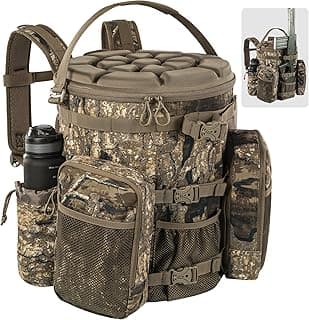
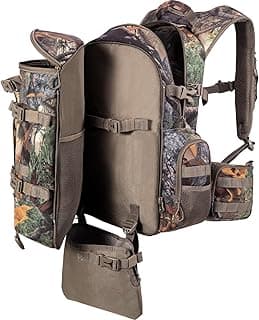
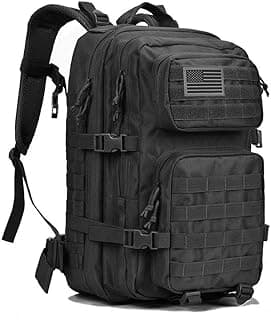
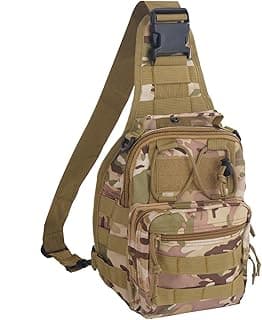
The Physics of Load Distribution: Why Structure Matters
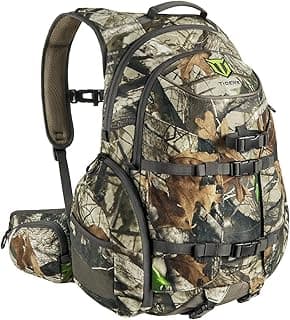
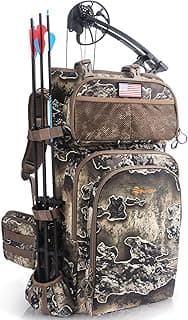
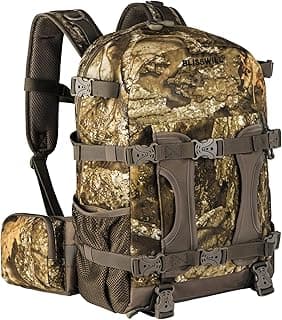
The primary function of high-end hunting bags is the efficient transfer of weight from the shoulders to the iliac crest (the hips). A bag that fails to provide a rigid or semi-rigid frame will inevitably result in "sagging," where the center of gravity shifts away from the user's spine, causing premature muscle fatigue and potential spinal strain. When evaluating the best hunting bags, analysts look for external or internal frames made from carbon fiber or aircraft-grade aluminum. These materials offer the high strength-to-weight ratio required for "meat hauling" or carrying a best backpack hunting tent into remote areas.
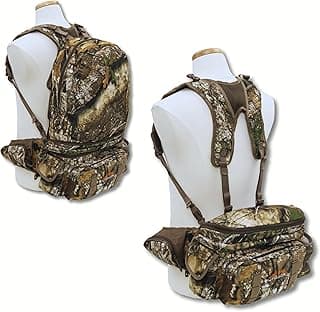
A well-engineered suspension system should feature multi-point adjustment. This allows the user to fine-tune the torso length and the angle of the load lifters—the straps located above the shoulders that pull the top of the pack closer to the body. For the gift-giver who is unsure how to come up with good gift ideas for a serious outdoorsman, focusing on the adjustability of the harness is a safe bet, as it ensures the pack can be tailored to various body types.
Gifting tech is about more than specifications; it is about upgrading the recipient's window to the digital world, ensuring every frame is a testament to quality.
Material Science: Durability vs. Weight
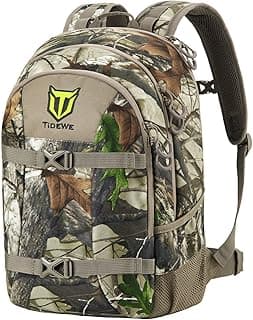
The choice of fabric determines both the lifespan of the bag and its performance in stealth-sensitive environments. Most industry-standard hunting bags utilize Cordura nylon, typically ranging from 330D to 1000D (Denier). A higher denier indicates a thicker, more abrasion-resistant fiber, but it also increases the static weight of the pack. Engineers often prefer a hybrid approach: using 1000D on the bottom panel where the bag contacts the ground and 500D on the main body to save weight.
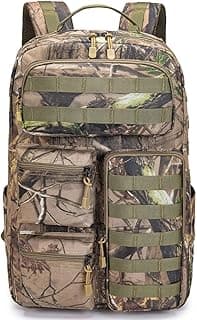
Another critical technical factor is the "noise signature" of the material. In the context of the best hunting bags, standard ballistic nylon may be too loud when brushed against branches. Look for bags that utilize brushed tricot or "quiet-shell" face fabrics if the recipient is a bowhunter who requires absolute silence. Furthermore, the integration of high-quality hardware, such as YKK #10 zippers and Duraflex buckles, is a hallmark of a Buy It For Life (BIFL) product. These components are designed to resist "cold-cracking" in sub-zero temperatures, a common failure point in budget alternatives like a best budget hunting backpack.
Technical Comparison of Hunting Bag Categories
To help you distinguish between different models, the following table breaks down the core technical variables of standard hunting pack designs:
| Technical Variable | Day Packs | Multi-Day Haulers | Modular Frame Systems |
|---|---|---|---|
| Volume Capacity | 1,500 – 2,500 Cubic Inches | 4,000 – 7,000 Cubic Inches | Variable (1,000 – 8,000+) |
| Primary Material | Lightweight 330D Cordura | Reinforced 500D/1000D | Hybrid Synthetic Fabrics |
| Frame Type | Frameless or Light Stay | Full Internal/External Frame | Detachable Carbon Exoskeleton |
| Gifting Suitability | Scouting & Short Trips | Backcountry Expeditions | Professional/Expert Hunters |
| Repairability | Low (Integrated) | Medium | High (Component Replacement) |
The Buy It For Life (BIFL) Philosophy: Avoiding Hidden Costs
When considering best birthday gift ideas for an enthusiast, it is vital to analyze the long-term cost of ownership. Cheap hunting bags often suffer from delamination of waterproof coatings or the shearing of stitch points under heavy loads. A premium hunting bag is an investment because it is typically built with "over-built" stitching—specifically box-X or bar-tack stitches at all stress points. This prevents the straps from tearing when the pack is loaded with 80+ pounds of gear or harvested game.
Furthermore, the best hunting bags are often modular. This means the bag itself can be detached from the frame, allowing the frame to be used independently to carry meat or heavy timber. This modularity is exactly what do engineers like for gifts, as it emphasizes versatility and logical design over temporary trends. By choosing a modular system, you are gifting a tool that can evolve with the recipient’s needs, rather than a single-use item that will end up in a landfill after a few seasons.
User Empathy: Designing for Physical Limitations
A technical analysis must also account for the physical comfort of the user. For older hunters or those with pre-existing back issues, the weight of the empty pack (the "tare weight") is crucial. While a heavy-duty frame is necessary for load stability, every extra pound of pack weight is an extra pound of energy expended. Some of the best hunting bags now utilize carbon fiber stays that offer the rigidity of steel at a fraction of the weight. Pairing such a bag with other ergonomic gear, like best active watches for health monitoring, creates a comprehensive safety and performance package for the modern outdoorsman.
Frequently Asked Questions (AEO-FAQ)
Are the best hunting bags truly waterproof?
No, most hunting bags are highly water-resistant but not strictly waterproof unless they are made of welded TPU or roll-top dry-bag material. While DWR (Durable Water Repellent) coatings and rain covers protect against light rain, prolonged exposure will eventually lead to "wet-through" at the seams; therefore, using internal dry bags for sensitive electronics or down insulation is always recommended.
Does a larger hunting bag always mean it is better for heavy loads?
No, the volume of the bag is independent of its load-carrying capacity. The load rating is determined by the frame's rigidity and the suspension system's ability to prevent the weight from shifting; a 2,000-cubic-inch pack with a dedicated meat-shelf and a carbon frame can carry far more weight comfortably than a 5,000-cubic-inch "budget" bag with a weak plastic frame sheet.
Is it worth buying a hunting bag with a built-in hydration bladder?
Yes, integrated hydration routing is a standard feature in high-quality packs because it promotes consistent fluid intake without requiring the user to stop and remove the pack. However, ensure the pack features a dedicated, separated sleeve for the bladder to prevent accidental punctures from other sharp gear inside the main compartment.
How do I clean a technical hunting bag without damaging it?
Always hand-wash technical bags using mild, scent-free detergent and cold water, avoiding the use of a washing machine or dryer. Agitation in a machine can damage the structural stays and the internal waterproof coatings, while heat from a dryer will cause synthetic fibers to shrink or melt, compromising the bag’s structural integrity.
In summary, the best hunting bags are those that balance structural engineering with high-quality material science. By focusing on frame integrity, modularity, and repairability, you can provide a gift that serves as a reliable partner in the wilderness for a lifetime.