

Material Science and Survival: The BIFL Philosophy
The "Buy It For Life" (BIFL) philosophy is central to selecting the best hunting canoes. The environmental stressors of hunting—sharp river rocks, submerged timber, and freezing temperatures—demand materials that exceed the capabilities of thin-walled recreational plastics. Traditional Royalex has been superseded by modern composites like T-Formex and proprietary high-density polyethylene (HDPE) blends. These materials are engineered to possess "memory," allowing the hull to pop back into shape after a significant impact rather than cracking or permanently deforming.
Weight is a critical ergonomic factor, especially when considering what to buy older parents that have everything. While a 17-foot polyethylene canoe may offer immense durability, its 80-pound dry weight can make portaging over beaver dams or loading onto a vehicle roof rack physically prohibitive for many. In these instances, ultra-lightweight Kevlar or Carbon Fiber layups, reinforced with a gel coat or skid plates, provide the necessary protection while reducing the weight by up to 40%. This weight reduction directly translates to lower physical strain on the shoulders and lower back during long-distance expeditions.
Technical Comparison of Hunting Hull Materials
The following table breaks down the technical variables of common hull materials to assist in making an objective gifting decision:
| Material Type | Acoustic Dampening (Stealth) | Impact Resistance | Weight Factor (16' Hull) | Maintenance Requirement |
|---|---|---|---|---|
| HDPE Plastic | Medium | High | Heavy (75-90 lbs) | Low (UV protectant only) |
| T-Formex / Royalex | High (Insulated) | Very High | Medium (65-75 lbs) | Moderate (Gunwale care) |
| Kevlar / Aramid | Low (Resonant) | Medium (Rigid) | Ultra-Light (38-50 lbs) | High (Requires skid plates) |
| Wood-Canvas | Highest | Low | Medium-Heavy | Very High (Seasonal) |
Multi-Dimensional User Empathy: Beyond the Standard Hunter
A strategic gift must account for the specific physical limitations and environmental realities of the user. For high-density waterfowl hunters, the "best hunting canoes" are those that feature low-profile gunwales to minimize wind catching, which can blow a light boat off course during a sensitive approach. Conversely, big-game hunters—those pursuing moose or deer—require a boat with a high volume and "tumblehome" (a narrowing of the hull near the top) to allow for easier paddling while carrying 400+ pounds of meat and equipment.
Safety is the most critical technical specification. In late-season hunts where water temperatures are near freezing, the margin for error is non-existent. A canoe with a wide beam (36 inches or more) and a square stern for a small electric motor can provide an added layer of security. Ensuring the recipient is equipped with the best winter waterproof gloves and best boots for canoeing is a necessary secondary consideration to prevent the onset of cold-weather injuries during the transition from water to land.
The Hidden Costs of Ownership and Maintenance
An expert analyst must warn the prospective buyer about the hidden costs of operational upkeep. While the initial purchase of a professional-grade canoe is significant, the ongoing expenses often include specialized storage racks, UV-protective sprays to prevent plastic brittleness, and the replacement of skid plates. If the recipient intends to navigate shallow, rocky bottomed creeks, the addition of a skid plate—a sacrificial layer of resin and felt—is mandatory to protect the structural integrity of the bow and stern.
Furthermore, the choice of apparel is as important as the boat itself. A hunter remains stationary for long periods, making moisture management and wind protection vital. We recommend pairing the watercraft with high-durability gear such as the best backpacking rain jackets to ensure that spray from the paddle or unexpected downpours does not compromise core body temperature. For a comprehensive look at outdoor gear, consider exploring best dad gift ideas for complementary equipment.
Direct Answer Framework: Frequently Asked Questions
Is a canoe better than a kayak for hunting?
Yes, for specific scenarios. While a best freshwater fishing kayak offers superior speed and a lower profile for individual stealth, a canoe provides significantly higher weight capacity and an open deck plan. This makes the canoe the only logical choice for tandem hunting or for hauling large game carcasses that would exceed a kayak's buoyancy limits and center of gravity safety thresholds.
What is the ideal length for a hunting canoe?
Sixteen feet is the technical "sweet spot" for most users. A 16-foot canoe offers enough waterline to track straight across open lakes while remaining short enough to navigate winding marsh channels. Shorter 12-to-14-foot "solo" canoes are excellent for agility but often lack the displacement required to stay stable when a hunter fires a high-caliber rifle or heavy-shotgun load from a seated position.
How do I maintain the "stealth" of a hunting canoe?
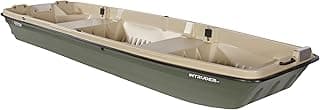
Stealth is maintained through acoustic dampening and visual camouflage. Avoid aluminum canoes, as they act as a resonant bell when struck by a paddle or gear, echoing through the water for hundreds of yards. Composite or plastic hulls with a matte "dead grass" or "olive drab" finish are essential. Furthermore, applying foam padding to the floor and gunwales will silence the sound of dropping a flashlight or shifting a firearm.
Ultimately, the best hunting canoes are those that bridge the gap between a technical tool and a vessel of memories. By focusing on hull physics, material durability, and the specific ergonomic needs of the recipient, you provide more than a gift—you provide the means to explore the quietest corners of the natural world.