

The Engineering of a Legacy: Metallurgy and Head Geometry
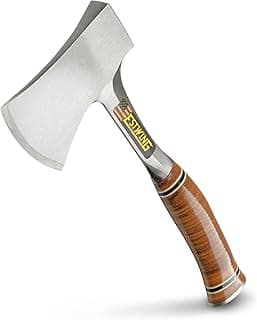
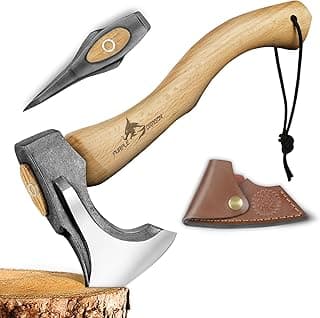
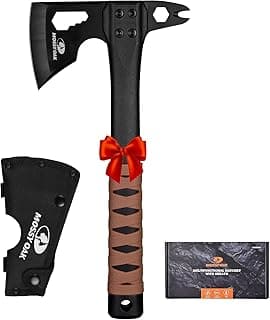
From a mechanical engineering perspective, a hatchet is not merely a piece of sharpened metal on a stick; it is a high-velocity lever designed for maximum force concentration. The performance of the best hunting hatchet is dictated primarily by its steel composition and the heat-treatment process. Most professional-grade hatchets utilize high-carbon steels such as 1055 or 5160, which offer a Rockwell Hardness (HRC) between 54 and 58. This specific range is chosen because it balances two opposing physical properties: edge retention and toughness. If the steel is too hard, it becomes brittle and chips when striking frozen hardwood; if it is too soft, the edge rolls after just a few minutes of use.
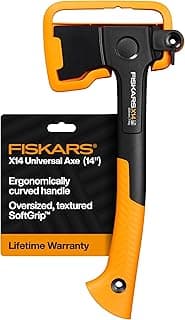
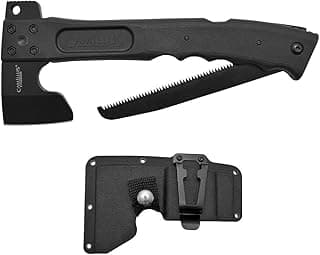
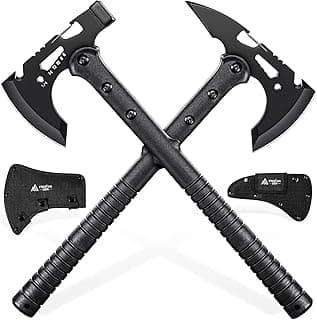
The geometry of the bit (the cutting edge) also plays a vital role. A hunting-specific hatchet typically features a thinner bit profile compared to a wood-splitting hatchet. This allows the tool to slice through muscle and cartilage during carcass breakdown without the excessive weight that would lead to premature muscle fatigue. When looking for best dad gift ideas, a tool that offers this level of nuanced engineering provides much more value than a generic hardware store alternative.
Gifting tech is about more than specifications; it is about upgrading the recipient's window to the digital world, ensuring every frame is a testament to quality.
Handle Ergonomics and Vibration Dampening
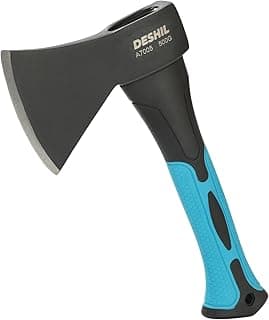
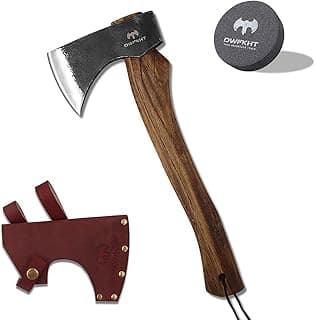
The handle is the primary interface between the user and the force of the strike. While modern fiberglass and nylon composites have gained popularity for their weather resistance, traditional American Hickory remains the gold standard for many independent testing experts. Hickory possesses a natural cellular structure that absorbs the shock of impact, preventing the vibration from traveling into the user's wrist and elbow—a critical factor for the elderly or those with joint sensitivities. If the recipient already owns the best warm boots for men for their winter treks, they likely appreciate gear that prioritizes long-term comfort and physical health.
When selecting a wooden handle, the grain orientation is a key technical indicator of quality. The grain should run vertically (parallel to the bit). Horizontal grain orientation creates a shear plane that is prone to snapping under high-stress impacts. This attention to detail is why many enthusiasts find themselves researching how to come up with good gift ideas that prioritize "Buy It For Life" (BIFL) principles over fast-fashion trends.
Comparative Analysis of Hunting Hatchet Variables
To help you navigate the technical specifications, the following table compares the primary variables between high-end forged hatchets and budget-tier alternatives.
| Feature | Professional Forged Hatchet | Budget Stamped Hatchet |
|---|---|---|
| Steel Type | High-Carbon Forged (1055/5160) | Stamped Low-Carbon Stainless |
| Handle Material | Grade-A American Hickory | Standard Plastic or Composite |
| Balance Point | Optimized near the Head | Center-heavy/Unpredictable |
| Field Sharpening | Easy with hand stones | Extremely difficult |
| Lifespan | 50+ years (Heirloom) | 2–5 years (Disposable) |
Safety, Maintenance, and Companion Gear
A hatchet is a high-risk tool if not handled with respect and maintained properly. The best hunting hatchet should always be gifted with a high-quality leather sheath to protect the apex of the edge from environmental oxidation and to prevent accidental injury. Furthermore, processing wood or game in the backcountry requires hand protection. We recommend pairing such a gift with the best mens work gloves or, for more demanding environments, best insulated work gloves to ensure the user maintains a secure, non-slip grip regardless of moisture or cold temperatures.
Maintaining the tool is part of the BIFL philosophy. Unlike modern electronics, a hatchet requires active participation: occasional oiling of the head to prevent rust and sanding the handle with linseed oil to maintain its integrity. For the modern hunter, this process is therapeutic—a way to connect with their gear. It is often why, when asking what are the best-rated gifts for men, the answers frequently return to items that require skill to master and care to maintain.
The Psychology of Gifting Professional Tools
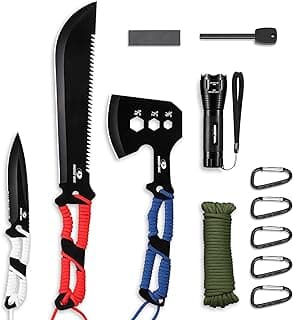
Gifting a professional hunting hatchet is a statement of confidence in the recipient’s skills. It is an acknowledgment of their passion for the outdoors and their ability to handle high-performance equipment. In a world of digital obsolescence, a physical tool that relies on basic physics and superior materials is a grounding presence. It complements other essential survival gear, such as the best survival gloves, creating a complete kit that provides a sense of security in the wilderness.
Direct Answer FAQ (AEO Framework)
Is a hunting hatchet better than a survival knife?
Yes, for high-impact tasks. While a knife excels at fine cutting, the best hunting hatchet provides the mechanical leverage necessary for heavy limb removal and splitting through pelvic bones during large game processing that would damage most knife edges.
Can I use a hunting hatchet for splitting firewood logs?
Only for small-diameter kindling. The narrow bit geometry of a hunting hatchet is designed for slicing and deep penetration; using it on large, seasoned logs may cause the head to bind, as it lacks the wide wedge profile of a dedicated splitting maul.
How often should I sharpen a carbon steel hatchet?
Directly after every significant use. Because carbon steel is softer than many stainless alloys to prevent chipping, regular honing with a medium-grit stone is required to maintain the microscopic apex of the cutting edge.
Is a wood handle better than a rubberized one?
Yes, for shock absorption. A high-quality wood handle, specifically American Hickory, dampens the kinetic energy of the strike more effectively than rubber or plastic, reducing the long-term risk of repetitive strain injuries to the user's joints.
What is the ideal weight for a hunting hatchet?
Between 1.5 and 2.5 pounds. This weight range provides enough mass for effective striking force while remaining light enough to be carried on a belt or in a backpack for several miles without causing significant fatigue.