
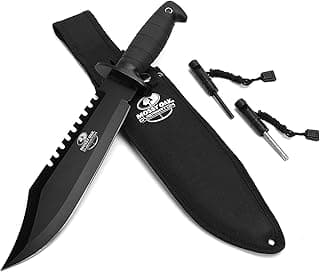
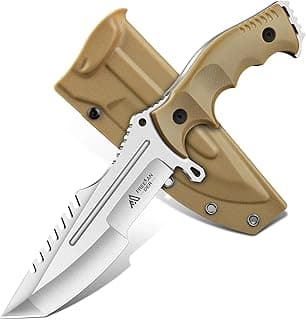
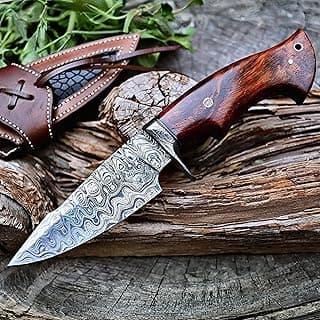
Understanding Blade Metallurgy: The Science of Edge Retention
The performance of a knife is fundamentally dictated by its chemical composition. For a gift to be truly "Buy It For Life" (BIFL), the recipient needs a steel that balances three often-conflicting properties: hardness, toughness, and corrosion resistance. High-carbon steels, while offering exceptional edge sharpness, require diligent maintenance to prevent oxidation. Conversely, modern "super steels" like CPM-S30V or M390 utilize powder metallurgy to achieve high wear resistance without the brittleness typically associated with high-hardness alloys.
When evaluating the best hunting knives, one must remain skeptical of budget-tier stainless steels like 420HC. While these are easy to sharpen, they lack the carbide structure necessary to maintain an edge through the processing of a large game animal. For those exploring best gift ideas for him, investing in a blade with a Rockwell Hardness (HRC) between 58 and 62 is the baseline for professional-grade performance. A blade that is too soft will dull mid-task, increasing the risk of slips and injury; a blade that is too hard may chip when encountering bone or frozen tissue.
Gifting tech is about more than specifications; it is about upgrading the recipient's window to the digital world, ensuring every frame is a testament to quality.
Ergonomics and Physical Limitations: Empathy in Design
The "best" knife is subjective to the user's physical reality. A strategist must consider the recipient's hand size, grip strength, and even potential medical conditions like arthritis. A heavy, unbalanced knife creates significant wrist fatigue during the repetitive motions of skinning. We categorize user needs into three distinct profiles:
- The Backcountry Trekker: Needs weight minimalism and a compact profile to fit within a streamlined kit, often paired with best warm boots for men to handle extreme environments.
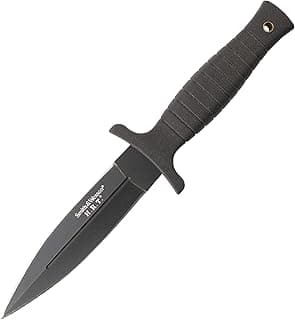
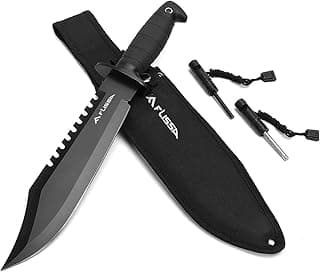
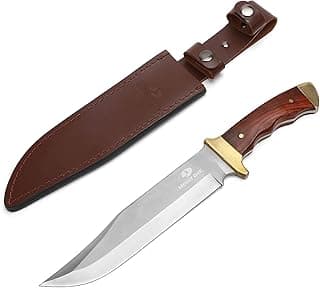
- The Professional Outfitter: Requires a fixed-blade design with a full tang (where the steel extends through the entire handle) for maximum lateral strength.
- The Aging Sportsman: Demands high-traction handle materials like G10 or Micarta, which provide a secure grip even when hands are wet or cold, minimizing the muscular force required to maintain control.
Fixed Blade vs. Folding Mechanisms: A Technical Trade-off
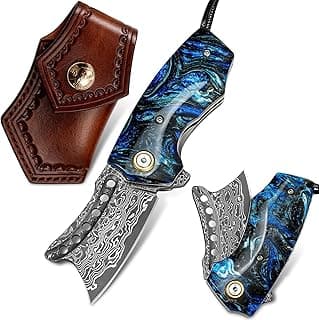
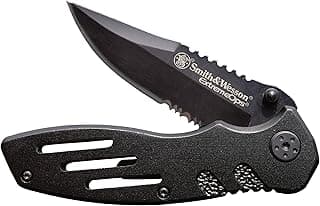
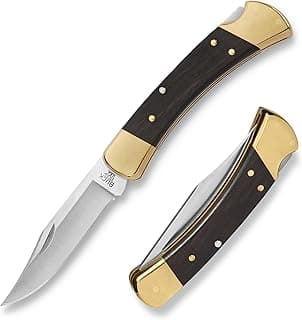
From a mechanical engineering perspective, the fixed blade is the superior choice for heavy-duty hunting. It lacks moving parts, which are the primary failure points in any mechanical system. Folding knives, however, offer portability. If choosing a folder as a gift, one must inspect the locking mechanism—liner locks are often prone to failure under heavy pressure, whereas back-locks or axis-locks provide a more robust safety margin. For those seeking what are the best-rated gifts for men who value versatility, a high-end folder is a valid companion, but it should never replace a primary fixed blade for field dressing.
Comparison of Technical Variables in Premium Knives
To assist in your selection, the following table breaks down the core variables found in high-performance hunting blades:
| Feature | Drop Point Geometry | Clip Point Geometry | Skinning/Gut Hook |
|---|---|---|---|
| Primary Use | General purpose, skinning, heavy slicing | Detail work, piercing, fine tasks | Fast hide opening, specialized processing |
| Structural Integrity | High (thick spine throughout) | Moderate (tapered point) | Specific (hook can be a weak point) |
| Maintenance Level | Low (simple curves) | Medium (finer tip requires care) | High (specialized sharpening tools needed) |
The Hidden Costs of Ownership: Maintenance and Longevity
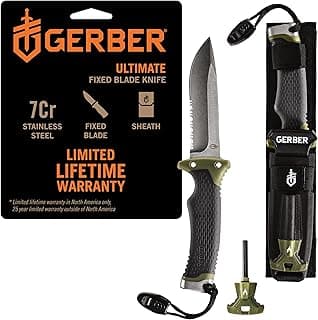
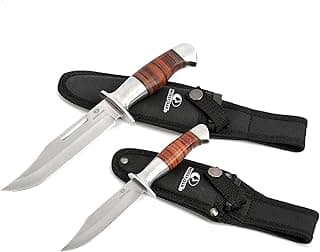
A frequent mistake in gifting is ignoring the secondary requirements of the tool. The best hunting knives are not "set and forget" items. They require a maintenance ecosystem. When presenting a premium knife, consider including a dedicated sharpening system or a high-quality leather strop. Furthermore, the sheath is as important as the blade. Cheap nylon sheaths degrade quickly; a custom-molded Kydex or vegetable-tanned leather sheath ensures the knife is safely retained during movement through dense brush. This attention to detail is similar to choosing best mens leather gloves—the material quality determines the long-term comfort and protection of the user.
Repairability is a hallmark of the BIFL philosophy. Avoid knives with integrated handles that cannot be removed. Modular designs with torx-screw scales allow the user to deep-clean the tang or replace damaged handles after years of use. This sustainability is a core value for those who spend their time monitoring wildlife with a best outdoor game camera or managing remote campsites.
Frequently Asked Questions
Is a more expensive knife always better for hunting?
No, price does not always correlate with utility. You are often paying for brand heritage or exotic handle materials that do not improve cutting performance. Focus on the steel type and the heat treatment process rather than the MSRP. A mid-priced knife from a reputable manufacturer often outperforms a "boutique" knife with poor edge geometry.
Should I buy a knife with a gut hook for a beginner?
No. While gut hooks are marketed as convenient, they are difficult to sharpen and can often snag on hair or bone if used improperly. A standard drop-point blade is more versatile and teaches the recipient better blade control techniques, making it a superior choice for those just beginning their journey in the outdoors.
What is the best handle material for cold weather?
Micarta or high-quality wood are the best options. Metals like aluminum or steel handles conduct cold rapidly, making the knife uncomfortable or even dangerous to use in sub-zero temperatures. Synthetic materials with "tacky" textures are preferable for maintaining a grip while wearing best mens leather gloves.
In conclusion, selecting the best hunting knives requires a shift from emotional impulse to technical evaluation. By prioritizing high-grade metallurgy, ergonomic balance, and long-term repairability, you provide a gift that transcends the immediate moment, becoming a trusted companion in the wilderness for a lifetime.