


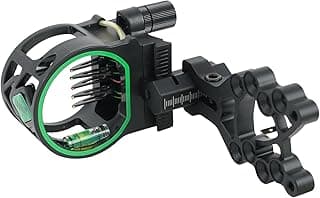
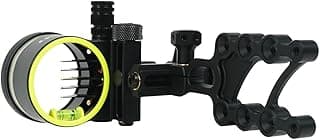
The Engineering of Precision: More Than Just Pins
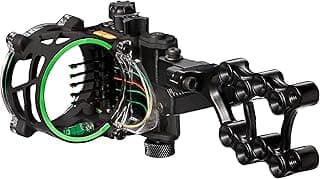
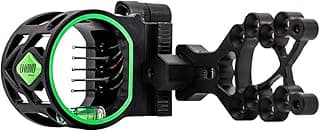
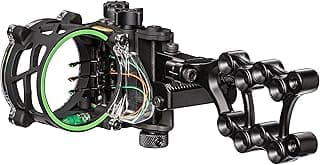
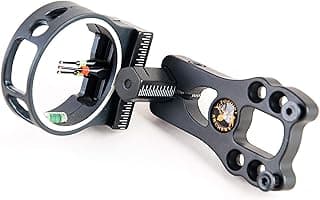
When analyzing the best hunting sight for compound bow from a mechanical perspective, we must look at the structural integrity of the housing and the light-gathering capabilities of the fiber optics. Many entry-level sights utilize molded plastics or "carbon-composite" polymers that, while lightweight, lack the thermal stability of CNC-machined 6061-T6 aluminum. In extreme temperatures, lower-grade materials can warp slightly, leading to "sight creep" where the point of impact shifts over time. A professional-grade sight should offer a "Buy It For Life" (BIFL) reliability, featuring aircraft-grade aluminum and stainless steel hardware that resists corrosion and vibration-induced loosening.
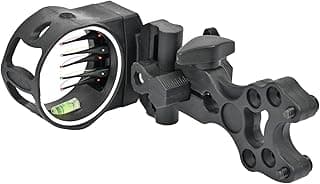
Optical clarity is the next variable. The best hunting sight for compound bow utilizes extra-long strands of fiber optic material, often wrapped around the housing to maximize surface area for light absorption. This is vital during the "golden hours" of dawn and dusk when game is most active. However, a skeptical analyst must note that brightness alone is not a metric of quality; the pins must be small enough (often 0.010 or 0.019 inches) to avoid "target panic" or obscuring the vitals of a distant animal. For those who are still learning how to come up with good gift ideas, focusing on the technical specifications of light transmission can help distinguish a premium tool from a decorative one.
Gifting tech is about more than specifications; it is about upgrading the recipient's window to the digital world, ensuring every frame is a testament to quality.
Multi-Pin vs. Single-Pin: Segmenting User Needs
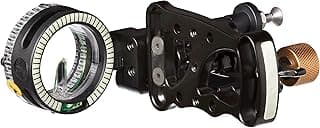
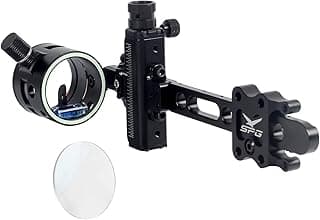
The debate between multi-pin and single-pin sights is rooted in the physical limitations of human focus and the environment of the hunt. To help the gifter decide, we must compare these two architectures through a technical lens. Multi-pin sights offer "instant" reference points for various distances, which is ideal for hunters in dense brush where a deer might appear at 20 yards and move to 40 yards in seconds. Conversely, single-pin "slider" sights provide an unobstructed view, which is technically superior for long-range precision but requires a manual adjustment of the sight tape before the shot.
| Technical Variable | Fixed Multi-Pin Sights | Single-Pin Slider Sights |
|---|---|---|
| Visual Complexity | High; potential for "pin gap" confusion. | Low; clear vertical focus. |
| Adjustment Speed | Instant; no movement required. | Slower; requires manual dialing. |
| Accuracy Potential | Limited to fixed distances. | High; adjustable to exact yardage. |
| Mechanical Failpoints | Minimal; no moving parts. | Moderate; relies on slider mechanics. |
For individuals researching best gift ideas for him, consider the recipient's hunting style. If they spend their time in elevated tree stands, a multi-pin sight is often safer. If they are stalking elk across open plains, a single-pin sight allows for the surgical precision required for longer distances. This level of empathy for the user's specific physical conditions—such as the need for a larger peep sight for those with diminishing low-light vision—is what elevates a gift from a mere object to an essential tool.
The Hidden Costs of Archery Accessories
A responsible consumer analyst must address the "hidden costs" and long-term maintenance associated with the best hunting sight for compound bow. Many modern sights include electronic lights to illuminate the pins in complete darkness. While convenient, these are prone to battery failure and are strictly illegal in certain hunting jurisdictions. Furthermore, the availability of replacement parts is a major differentiator. Sights that allow for independent pin replacement or fiber optic re-threading represent a modular philosophy that resists the "fast consumerism" of the modern era. When browsing what are the best-rated gifts for men, it is wise to prioritize brands that offer a lifetime warranty on the mechanical structure, as the vibration from a best compound bow for hunting can be equivalent to several thousand small seismic events over a season.
Advanced Calibration: Axis Adjustments
To the layperson, a sight just points the way. To a mechanical engineer, a sight must be perfectly leveled across three axes. The "1st axis" ensures the sight is square to the bow, the "2nd axis" ensures the level is accurate on flat ground, and the "3rd axis" is crucial for shots taken at steep uphill or downhill angles. The best hunting sight for compound bow will feature micro-adjustable knobs for all three axes. Without 3rd-axis adjustment, a hunter shooting from a mountain ridge will miss several inches to the left or right, even if their "aim" was perfect. This is a technical nuance often overlooked in basic marketing but essential for professional-grade performance.
Empathy for the Modern Hunter
Gifting the best hunting sight for compound bow also involves understanding the physical limitations of the user. For instance, an archer with arthritis may struggle with small, stiff adjustment screws. In this case, a sight with large, tool-less "thumb dials" is not just a luxury—it is a functional necessity that keeps them in the field. Similarly, for women who may prefer a more compact setup, finding best gift ideas for a woman in the archery space involves looking for lightweight yet rigid designs that do not disrupt the balance of a smaller-frame bow. If the recipient already has a high-quality optic, perhaps consider a complementary tool like a best outdoor game camera to help them scout the targets their new sight will eventually track.
Frequently Asked Questions
What is the most important feature in a bow sight for a beginner?
A: Durability and simplicity are the primary requirements, specifically a multi-pin sight made of machined aluminum that does not require complex tools for field adjustments. Beginners should avoid "slider" sights until they have mastered the basics of range estimation and consistent anchor points.
Are expensive digital sights worth the investment?
A: No, for the majority of hunters, the risk of battery failure or electronic malfunction in the wilderness outweighs the convenience of auto-ranging features. A high-quality mechanical sight is more reliable and remains compliant with strict fair-chase regulations in many regions.
Should I choose .019 or .010 pin sizes for a gift?
A: The .019-inch pin is the industry standard and the safest choice for a gift because it provides a balance of visibility and precision that works for almost all hunters. The .010 pins are extremely small and can be difficult to see for individuals with average or aging eyesight, potentially leading to a frustrating experience.
Does a sight come with everything needed to install it?
A: Yes, most premium sights include mounting screws, but you should verify if the recipient has a set of standard Allen wrenches (hex keys) for the initial setup. High-end sights often feature "tool-less" adjustment for daily use, but the initial mounting still requires basic mechanical tools.
In conclusion, selecting the best hunting sight for compound bow is an act of engineering evaluation. By focusing on CNC-machined durability, 3rd-axis adjustment, and light-gathering fiber optics, you ensure that your gift is not just a piece of equipment, but a reliable partner in the recipient’s outdoor pursuits. Precision, after all, is the greatest gift any hunter can receive.