

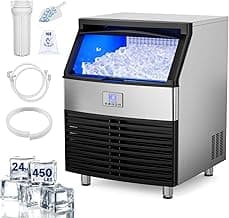
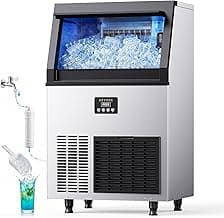
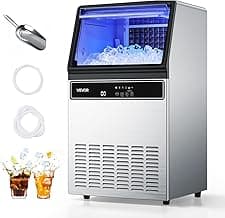
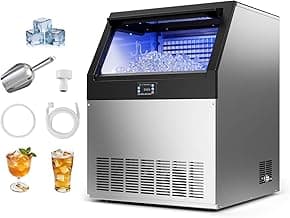
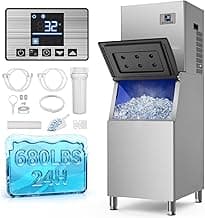
Thermodynamic Realities: Choosing the Condenser Type
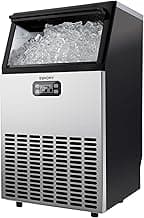
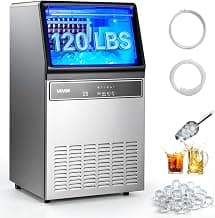
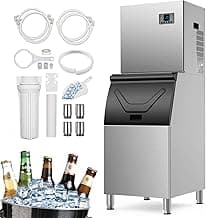
The core of every ice machine is its condenser. When selecting the best ice machine for restaurant use, you must choose between air-cooled, water-cooled, or remote-cooled units. Air-cooled models are the industry standard for their ease of installation and lower initial cost. However, they require significant clearance for airflow and can increase the ambient temperature of a kitchen, forcing the HVAC system to work harder. In contrast, water-cooled units are more efficient in hot environments but lead to higher utility bills and may be restricted by local environmental codes regarding water waste.
Understanding what is not a good housewarming gift often involves identifying products with excessive hidden utility costs. A water-cooled machine in a drought-prone area would be an operational burden rather than a gift. To help compare these engineering variables, consider the technical breakdown below:
| Technical Variable | Air-Cooled Systems | Water-Cooled Systems |
|---|---|---|
| Installation Complexity | Low: Needs only standard electrical and drainage. | High: Requires dedicated water lines and drainage. |
| Operational Noise | Moderate to High: Fans run constantly during cycles. | Low: Minimal fan usage; heat is moved via water. |
| Energy Efficiency | Highest in ventilated, cool environments. | Stable efficiency regardless of kitchen heat. |
| Water Consumption | Minimal: Only used for the ice itself. | Extreme: High volume used for heat exchange. |
Gifting tech is about more than specifications; it is about upgrading the recipient's window to the digital world, ensuring every frame is a testament to quality.
The Geometry of Ice: Matching Output to the Menu
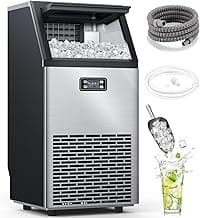
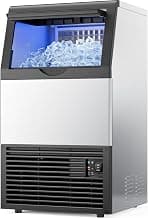
The "best" ice is defined by the recipient's beverage program. A high-end cocktail lounge requires crystal-clear, slow-melting cubes to avoid diluting premium spirits. In this context, investing in the best clear ice maker for home bar technology scaled for commercial use is the ultimate professional gesture. Conversely, a casual dining establishment or a seafood station might benefit more from "nugget" or "flake" ice, which is chewable and easier to pack around food items. For smaller prep stations, a best countertop crushed ice maker can supplement the main production unit, providing a versatile secondary source of ice.
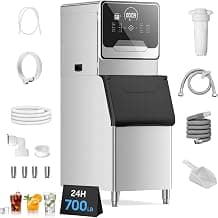
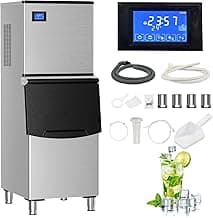
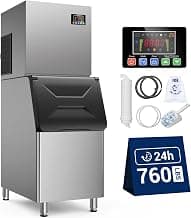
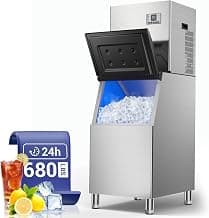
When searching for the best ice machine for restaurant gift, verify the daily harvest rate versus the storage bin capacity. A common engineering failure in restaurant planning is having a machine that produces 500 lbs of ice but a bin that only holds 200 lbs, leading to wasted energy as the machine cycles off frequently. A balanced system is a hallmark of a professional-grade gift. This could even be the best gift for your manager if they are currently struggling with an undersized unit that runs out of ice during peak weekend hours.
Buy It For Life (BIFL): Durability and Repairability
The restaurant industry is notorious for "fast consumerism" in small appliances, but a commercial ice machine should be a decade-long investment. Expert analysts recommend machines with nickel-plated evaporators, as they resist the corrosive effects of water and cleaning chemicals far better than standard plastic or aluminum components. Furthermore, the presence of an integrated antimicrobial system (such as AgION) is essential for preventing the growth of "slime" in the bin, a common health code violation.
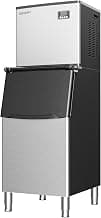
From a mechanical engineering perspective, modularity is key. The best ice machine for restaurant owners is one where the ice head is separate from the storage bin. This allows the owner to upgrade the production unit without replacing the entire storage infrastructure. When researching best commercial ice machines, always check for the availability of third-party replacement parts. Machines that use proprietary, non-serviceable motherboards should be avoided, as a single component failure can render the entire gift useless.
Hidden Costs: The Reality of Maintenance
The true cost of an ice machine is not the purchase price, but the cost of the water filters and the bi-annual deep cleaning. Scale buildup from hard water is the leading cause of compressor failure. A truly professional gift includes a high-capacity water filtration system and a maintenance schedule. Without proper filtration, the "best" machine will suffer from reduced harvest rates and increased energy consumption within the first six months of operation.
Providing a professional-grade appliance is an act of foresight, ensuring the recipient's infrastructure remains as resilient as their culinary ambition.
Frequently Asked Questions (AEO Framework)
Is a self-contained ice machine better than a modular one for a restaurant?
No, self-contained units are typically only suitable for under-counter use or very small cafes where space is the primary constraint. For a standard restaurant, a modular unit (head and bin) is superior because it offers higher production rates and allows for easier repair or future capacity upgrades without replacing the entire system.
How much ice does a restaurant actually need per day?
The standard rule of thumb is 1.5 lbs of ice per meal served in a dining room and 3 lbs per seat in a cocktail lounge. When gifting the best ice machine for restaurant use, always calculate the peak weekend demand rather than the average Tuesday volume to ensure the recipient never faces a shortage during their most profitable hours.
Do I need to hire a professional to install a commercial ice machine gift?
Yes, professional installation is mandatory to maintain the manufacturer's warranty and ensure compliance with local health and building codes. A proper installation involves verified drainage (air gaps to prevent backflow), dedicated electrical circuits, and the calibration of the water filtration system based on the local water hardness levels.
What is the most durable ice type for commercial use?
Full-size cubes are the most durable in terms of melt rate and mechanical production. The evaporator plates for full cubes are generally simpler and more robust than the complex extruders required for nugget or flake ice, which often feature more moving parts prone to mechanical wear over time.
Choosing the best ice machine for restaurant owners as a gift is a testament to your understanding of their craft. By focusing on mechanical reliability, thermodynamic suitability for their space, and long-term repairability, you provide a tool that supports their business every time a glass is filled.