
The Engineering Behind the Harvest: Why Ice Quality Matters
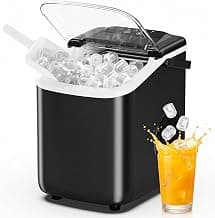
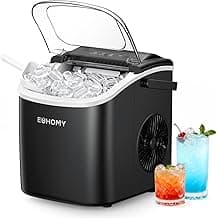
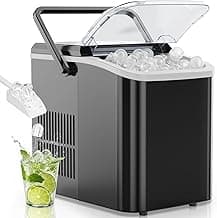
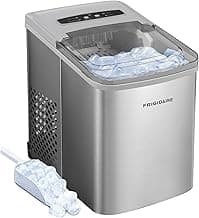
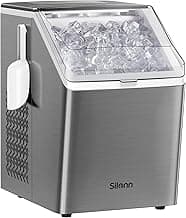
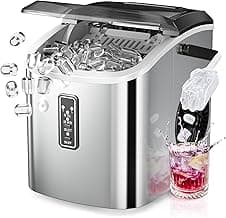
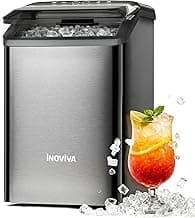
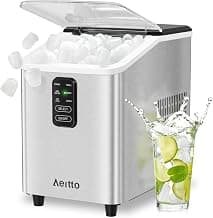
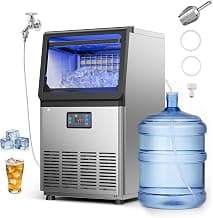
From a mechanical engineering perspective, ice production is not merely about lowering water temperature; it is about managing impurities and gas entrapment. Most consumer-grade ice machines produce "bullet" ice, formed by freezing water onto chilled metal pegs. This method is fast but results in opaque ice filled with air bubbles, which melts quickly and dilutes beverages. Conversely, the best bar ice maker models typically utilize a vertical evaporator plate or a spray-injection system. By flowing water over a freezing surface in layers, these machines allow dissolved oxygen and minerals to escape, resulting in crystal-clear cubes that are denser and melt at a significantly slower rate.
Gifting tech is about more than specifications; it is about upgrading the recipient's window to the digital world, ensuring every frame is a testament to quality.
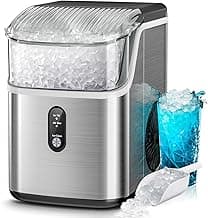
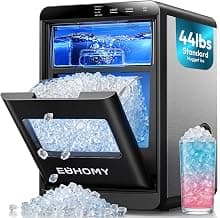
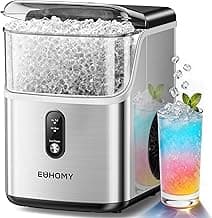
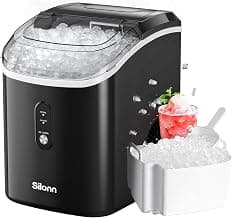
When selecting a unit as a gift, one must consider the recipient’s environment. A best countertop nugget ice maker is often the preferred choice for families and those who enjoy "chewable" ice—a texture achieved by scraping ice flakes off a cooling cylinder and compressing them through an extruder. This "Sonic-style" ice is highly porous, making it ideal for absorbing the flavor of syrups or sodas. However, these units feature more moving parts, such as an internal auger and high-torque motor, which require more frequent maintenance compared to simpler slab-ice generators.
Technical Comparison: Ice Production Methods and User Suitability
To assist in navigating the vast market of cooling technology, the following table breaks down the primary technical variables found in top-tier home units. Analyzing these factors is crucial when searching for best gift ideas for housewarming for those who host frequent social gatherings.
| Ice Type | Freezing Mechanism | Production Speed | Typical Application | Maintenance Level |
|---|---|---|---|---|
| Bullet Ice | Inductive metal rods submerged in a water reservoir. | 6–9 minutes per cycle. | General hydration and casual use. | Low: Simple gravity drain and reservoir cleaning. |
| Nugget Ice | Vertical auger compressing ice flakes through a die. | Continuous flow (first batch in 15 mins). | Smoothies, healthcare, and specialty sodas. | High: Requires weekly descaling to prevent motor strain. |
| Clear Cube | Directional freezing via waterfall or spray nozzles. | 20–30 minutes per cycle. | Premium spirits and high-end cocktails. | Moderate: Sensitive to water hardness; requires filtration. |
Buy It For Life (BIFL) Philosophy: Assessing Durability
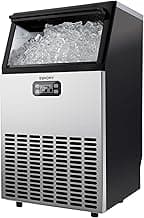
One common pitfall in the small appliance market is the "disposable" nature of budget-tier cooling units. Many low-cost ice makers utilize copper-plated evaporators that can peel over time, or plastic internal gears that fail under the stress of high-volume production. An independent testing expert would prioritize units with stainless steel components and robust compressor cooling. Furthermore, the availability of replacement parts—specifically drain pumps and intake valves—is a hallmark of a high-quality gift. When evaluating whats a good housewarming gift amount, investing in a mid-to-high range modular machine ensures the recipient won't be left with an unrepairable "brick" after the warranty period expires.
The Hidden Costs of Ownership
Before finalizing a purchase, one must account for ongoing operational requirements. The best ice machines for home use are rarely "set and forget" devices.
- Water Filtration: In regions with hard water, calcium deposits (scale) will inevitably seize the mechanical harvest arm or clog the sprayers. A dedicated external filter is an essential secondary investment.
- Energy Consumption: Unlike a refrigerator, portable ice makers do not have refrigerated storage bins. They rely on insulation; once the ice melts, the water is recycled and re-frozen. This cycle can lead to significant energy draw if the unit is left on 24/7.
- Sanitation: The damp, cool environment of an ice maker is a breeding ground for biofilm. Units with an "Auto-Clean" cycle are superior, though they still require manual scrubbing of the sensor eyes and water sensors periodically.
Choosing the Right Model for Diverse Living Conditions
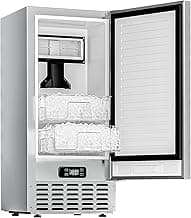
For individuals residing in small apartments, the decibel rating of the compressor and the exhaust fan is the primary constraint. A machine that generates 55+ dB can be intrusive in open-concept living spaces. Conversely, for an outdoor kitchen or a basement bar, the focus shifts toward a best clear ice maker for home bar that features an integrated drain pump, allowing it to be built into cabinetry without requiring a gravity-fed floor drain. This level of technical consideration is what distinguishes a thoughtful gift from a generic purchase.
When exploring the best gift ideas for a woman who values culinary precision or artisanal beverages, a clear ice maker represents a significant upgrade to her home hosting arsenal. The ability to present a perfectly transparent, slow-melting cube in a glass of premium whiskey or a craft cocktail is an experience that traditional kitchen appliances simply cannot deliver.
Frequently Asked Questions: Expert Insights
Is it necessary to use distilled water in a home ice machine?
No, distilled water is not required, but filtered water is highly recommended to prolong the lifespan of the internal sensors. Distilled water can sometimes lack the mineral content needed for certain water-level sensors to "detect" the liquid, leading to false "Add Water" errors. A standard carbon block filter is usually the optimal middle ground.
Can a countertop ice maker keep ice frozen overnight?
Generally, no. Most portable countertop models are not freezers; they are well-insulated coolers. The ice will slowly melt over several hours. However, the meltwater is typically diverted back into the reservoir to be reused in the next harvest cycle, maintaining a closed-loop system.
How often should a nugget ice machine be cleaned?
Specifically for nugget ice models, descaling should occur at least once every two to four weeks. Because the auger mechanism has very tight tolerances, any mineral buildup on the cooling walls can create friction, leading to loud squeaking noises and eventual motor failure. This is the most common reason for consumer returns and should be emphasized if you are gifting the unit to someone unfamiliar with high-maintenance appliances.
In conclusion, the best ice machines for home use are those that align with the recipient's specific usage patterns and willingness to perform routine maintenance. By prioritizing mechanical robustness over aesthetic flashiness, you can provide a gift that offers years of reliable service and elevates the domestic experience to a professional standard.