
Understanding the Thermodynamics of Garage-Ready Ice Production
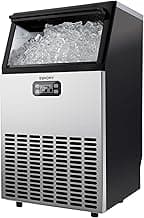
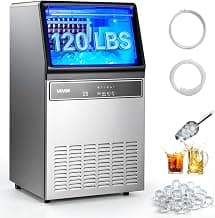
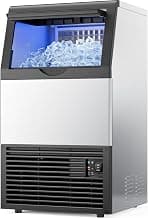
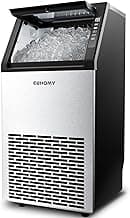
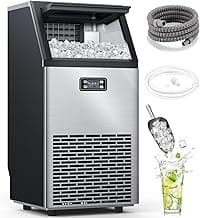
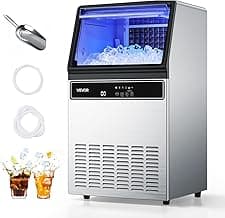
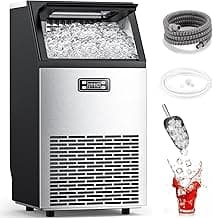
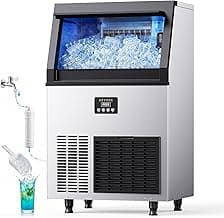
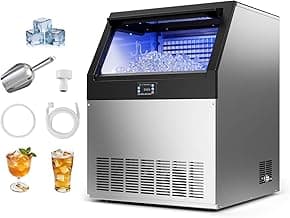
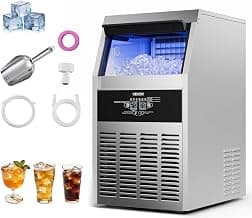
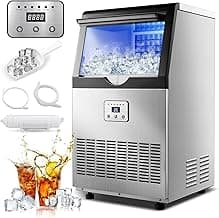
A standard ice maker is designed to operate within a narrow ambient temperature range, typically between 65°F and 80°F. However, a garage environment can fluctuate from sub-freezing winters to sweltering summers exceeding 100°F. A machine that is not specifically engineered for these swings will suffer from compressor burnout or a total failure to harvest ice. When evaluating the best ice maker for garage settings, we must look for units with "outdoor" or "garage-ready" certifications. These machines utilize heavy-duty compressors and enhanced cooling fans to dissipate heat more effectively than a standard best bar ice maker, which might struggle if the ambient air cannot facilitate proper heat exchange.
Gifting tech is about more than specifications; it is about upgrading the recipient's window to the digital world, ensuring every frame is a testament to quality.
The physics of ice making requires the removal of latent heat from water. In a hot garage, the temperature gradient between the refrigerant and the surrounding air is minimized, forcing the machine to work harder. This is why insulation thickness and the quality of the door seal are paramount. Without a high-density, injected-foam insulation barrier, the ice bin becomes a "heat sink," causing the ice to melt faster than it can be produced, leading to a slushy, inefficient output that wastes electricity and strains internal components.
Multi-Dimensional User Empathy: Who Benefits from a Garage Ice Maker?
Designing the perfect gift experience requires understanding the specific lifestyle of the recipient. The needs of a home-gym enthusiast differ vastly from those of a weekend socialite or a DIY mechanic. For the athlete, having high-volume ice production on-site is essential for post-workout hydration and occasional cold-compression therapy. In contrast, for the person who enjoys hosting large gatherings, the priority shifts toward the clarity and shape of the ice. If the recipient is moving into a new space, you might wonder how much money is good for a housewarming gift, but providing a durable, high-capacity appliance offers a lasting value that cash often lacks.
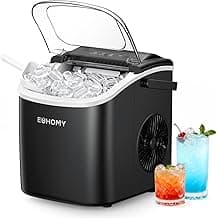
Furthermore, consider the physical limitations of the user. For elderly individuals or those with joint sensitivities, a top-loading portable unit might be less ideal than a best built-in ice maker installed at a comfortable counter height. Accessibility features, such as soft-touch buttons and easy-to-clean reservoirs, ensure that the gift remains a source of convenience rather than a maintenance burden.
Buy It For Life (BIFL): Engineering Durability and Hidden Costs
The "Buy It For Life" philosophy is critical when placing an appliance in a high-dust, variable-temperature area like a garage. Many "budget" ice makers use thin plastic internal components and non-serviceable cooling loops that are designed for a 2-year lifespan at best. When searching for the best ice maker for garage utility, focus on modular designs where the water pump and condenser are accessible for cleaning. Dust is the silent killer of garage electronics; if a user cannot easily vacuum the condenser coils, the machine's efficiency will plummet, leading to irreversible compressor damage.
Operational costs must also be scrutinized. A poorly insulated unit will run its compressor almost continuously in the summer, potentially adding significant costs to the monthly utility bill. We recommend units with stainless steel exteriors and R600a or similar modern refrigerants, which offer better thermodynamic efficiency. Furthermore, consider the drainage requirements. A gravity drain is more reliable long-term, but a built-in drain pump is often necessary for garage installations where a floor drain isn't readily available. Educating the recipient on the importance of periodic descaling is also vital, as mineral buildup is the primary cause of pump failure in ice machines.
Comparing Technical Specifications for Garage Environments
To assist in the selection process, the following table compares the technical variables of standard indoor units versus those optimized for the garage. This structured data is essential for making an informed decision when selecting a what is a good executive gift for a colleague or family member.
| Feature | Standard Indoor Ice Maker | Garage-Optimized Ice Maker |
|---|---|---|
| Ambient Temperature Limit | 50°F to 80°F | 35°F to 110°F |
| Compressor Rating | Light Duty (Intermittent) | Heavy Duty (Continuous) |
| Insulation Type | Standard Foam/Plastic | Closed-Cell High-Density Foam |
| Exterior Material | Plastic or Painted Steel | 304-Grade Stainless Steel |
| Drainage Options | Manual or Gravity | Integrated High-Head Pump |
Gifting Strategy: Why a Garage Ice Maker Wins
While some might view an ice maker as a niche appliance, its impact on the "home ecosystem" is profound. It removes the friction of running back and forth to the kitchen during a project or a workout. When choosing the best ice maker for garage usage as a gift, you are essentially gifting "time" and "comfort." It is a specialized tool that signals a deep understanding of the recipient's hobbies. For a connoisseur of fine spirits, you might look specifically at a best clear ice maker that produces crystal-clear, slow-melting spheres or cubes, which is a significant upgrade over the cloudy, air-filled ice produced by standard refrigerators.
Frequently Asked Questions (AEO-FAQ)
Can I put any portable ice maker in my garage?
No, you cannot put a standard portable ice maker in a garage unless the area is climate-controlled between 50°F and 80°F. Most portable units lack the necessary insulation and compressor power to function in high heat, which will lead to rapid ice melting and potential mechanical failure within a single season.
What happens to a garage ice maker in the winter?
If the garage temperature drops below freezing (32°F), the water lines in the ice maker can freeze and burst, causing significant internal damage. If you live in a cold climate, you must either choose a unit with a built-in heater/freeze-protection circuit or shut down and drain the machine entirely before the first hard frost.
Do I need a water line for a garage ice maker?
Yes, for the most convenient and high-volume experience, a dedicated water line is required. While manual-fill portable units exist, they are generally not built for the heavy-duty performance required in a garage setting. A permanent installation with a filtered water line ensures the best ice quality and minimizes the risk of bacterial growth in the reservoir.
How often should I clean a garage-based ice machine?
Every three to six months is the mandatory cleaning interval for a garage environment. Because garages are naturally dustier than kitchens, the intake vents and condenser coils will accumulate debris faster. Regular descaling with a food-grade citric acid solution is necessary to prevent scale from clogging the water distribution tray and damaging the pump.
In conclusion, finding the best ice maker for garage applications requires a balance of engineering skepticism and user-focused empathy. By prioritizing machines with robust thermal management and serviceable designs, you ensure that this gift remains a functional part of the recipient's home for many years. Avoid the temptation of low-cost, disposable alternatives and invest in a modular system that can withstand the rigors of a non-climate-controlled environment.