
Metallurgy and Thermal Engineering in Outdoor Environments
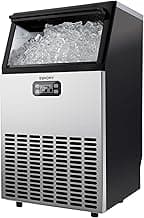
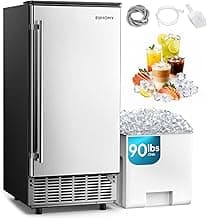
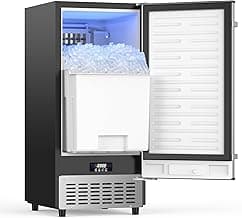
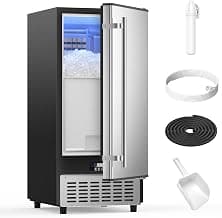
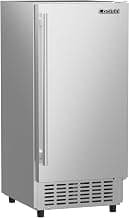
The primary differentiator between a standard unit and the best ice maker for outdoor kitchen use is the grade of stainless steel utilized in the chassis. While indoor models often use 430-grade stainless steel, which is prone to "tea staining" or surface rust in humid environments, true outdoor-rated appliances utilize 304-grade stainless steel. This alloy contains higher levels of chromium and nickel, providing a robust protective layer against oxidation. From a mechanical engineering perspective, the insulation must also be significantly denser—often using closed-cell polyurethane foam—to maintain internal temperatures when the exterior thermometer climbs above 90 degrees Fahrenheit.
Gifting tech is about more than specifications; it is about upgrading the recipient's window to the digital world, ensuring every frame is a testament to quality.
Furthermore, the compressor’s duty cycle in an outdoor setting is far more taxing. A gift of this caliber ensures that the recipient doesn't deal with "slushy" ice. Instead, they receive a machine designed with a high-capacity condenser that can dissipate heat efficiently even in enclosed cabinetry. If you are considering what to buy for someone who has a new home, choosing an appliance with a front-breathing ventilation system is critical, as it allows for a seamless, flush installation without the risk of motor burnout due to restricted airflow.
Comparing Ice Production Variables and Infrastructure
To provide a clear analytical breakdown for those comparing the best ice maker for outdoor kitchen setups, we must examine the technical variables that impact long-term satisfaction. The following table contrasts standard residential designs with professional-grade outdoor systems.
| Technical Variable | Standard Residential Model | Professional Outdoor Grade |
|---|---|---|
| Chassis Material | 430 Stainless/Painted Steel | 304 Series Stainless Steel |
| Cooling Architecture | Rear-vented (Requires clearance) | Front-venting (Flush mount ready) |
| Drainage System | Manual or Gravity Only | Integrated High-Head Drain Pump |
| Ice Density | Opaque/Cloudy (Fast melting) | Crystal Clear Gourmet (Slow melting) |
| Operating Range | 55°F - 80°F | 45°F - 100°F+ |
For individuals seeking the best built in ice maker, understanding the drainage requirement is the most common point of failure. A professional-grade gift should ideally include a built-in drain pump. This removes the necessity for a floor drain directly beneath the unit, allowing the recipient to install the machine anywhere in their outdoor layout. This technical flexibility makes it one of the best gift ideas for a woman or man who values architectural freedom in their patio design.
The Physics of "Clear Ice" as a Sentimental Upgrade
Why do enthusiasts insist on a best clear ice maker for their outdoor bars? The answer lies in the solidification process. Standard ice makers freeze water from the outside in, trapping air bubbles and impurities in the center. In contrast, the best ice maker for outdoor kitchen units often uses a "falling water" system. Water is sprayed over a sub-zero plate; only the pure H2O molecules freeze, while impurities are washed away. This results in ice that is not only visually stunning but also chemically pure and significantly denser, meaning it won't dilute a premium scotch or a handcrafted summer cocktail as quickly as cloudy ice would.
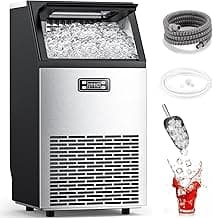
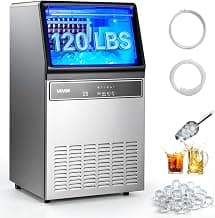
When you ask, do you bring gifts for housewarming that truly resonate, a clear-ice machine is the ultimate answer. It transforms a simple drink into a luxury experience. For those who manage larger properties or host frequent neighborhood gatherings, investigating best commercial ice makers that are rated for outdoor use can provide the necessary volume (often upwards of 50-60 lbs of ice per day) to ensure the party never runs dry.
Maintenance, Longevity, and the BIFL Philosophy
A high-performance appliance is only as good as its repairability. Modern "fast consumerism" models are often sealed units that must be discarded if a single sensor fails. The best ice maker for outdoor kitchen brands are those that offer modular replacement parts—water valves, sensors, and even compressors—that can be serviced by an independent technician. This aligns with the "Buy It For Life" philosophy, ensuring that your gift remains a functional part of the home for a decade or more.
Hidden costs often include water filtration. Because outdoor machines cycle significant amounts of water, mineral scale (calcium and magnesium) can accumulate on the evaporator plate. We recommend pairing the gift with an inline phosphate filter to prevent scale buildup, which is the leading cause of premature failure in a best bar ice maker. Educating the recipient on a bi-annual citric acid cleaning cycle will ensure the mechanical components remain in peak condition regardless of the local water hardness.
Frequently Asked Questions: Direct Answer Framework
Does an outdoor ice maker need a dedicated water line?
Yes. Every professional best ice maker for outdoor kitchen requires a dedicated 1/4-inch cold water supply line with a shut-off valve for operation and maintenance. While some portable "countertop" models exist, they lack the insulation and weatherproofing required for permanent outdoor installation and typically fail within one season of exposure.
Can I leave the ice maker outside during the winter?
Yes, but only if it is properly winterized. To prevent the internal water lines from bursting due to expansion, you must shut off the water supply, disconnect the lines, and ensure all residual water is drained from the internal reservoir and the condenser. Failure to do so will void the warranty and cause irreversible mechanical damage to the evaporator assembly.
Is gourmet clear ice better than "nugget" ice for outdoor use?
It depends on the usage, but generally, gourmet clear ice is superior for heat resistance. Clear ice is a solid, dense crystal that melts much slower than the airy, chewable "nugget" ice. For outdoor environments where ambient heat is a factor, clear ice will keep beverages cold longer without excessive dilution. However, nugget ice remains a popular "sentimental" favorite for families with children or those who prefer "sonic-style" ice.
How much power does a professional outdoor ice maker consume?
Most units operate on a standard 115V/60Hz circuit and draw between 3 to 5 amps during the harvest cycle. While they are relatively energy-efficient, the best ice maker for outdoor kitchen will be Energy Star certified, ensuring that the luxury of constant ice doesn't result in a significant spike in the household’s monthly utility expenditures.
In conclusion, selecting the best ice maker for outdoor kitchen use is an exercise in balancing mechanical prowess with the joy of giving. By prioritizing 304 stainless steel, front-venting thermal management, and gourmet ice production, you are providing more than just an appliance; you are gifting the cornerstone of future memories, summer celebrations, and effortless hospitality.