
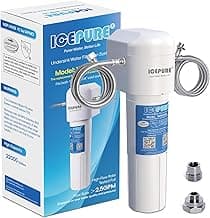
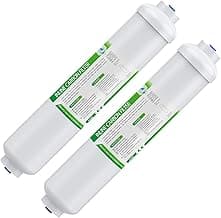
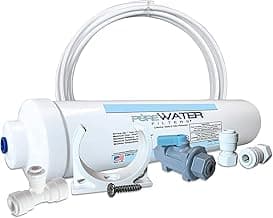
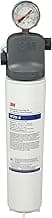
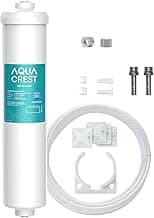
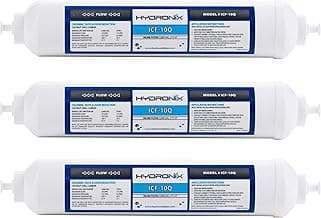
The Engineering Behind the Best Ice Maker Water Filter
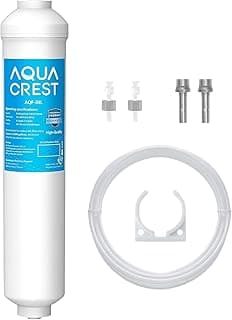
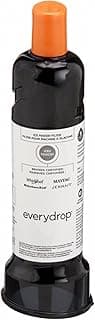
To understand what constitutes the best ice maker water filter, one must look beyond the marketing jargon of "mountain-fresh taste" and examine the micron rating and media composition. A filter's effectiveness is largely determined by its pore size; a 0.5-micron carbon block is significantly more effective at trapping cysts and microscopic sediment than a standard 5-micron spun-polypropylene filter. However, this increased filtration comes with the physical trade-off of pressure drop. A filter that is too restrictive can starve an ice maker's pump, leading to undersized cubes or "hollow" ice.
Gifting a filtration system requires an understanding of the recipient's specific environment. For instance, in regions with high calcium carbonate levels (hard water), a simple carbon filter will fail to prevent scale. In these cases, a filter utilizing polyphosphate crystals is required to sequester minerals, preventing them from precipitating onto the evaporator plate. This level of technical consideration is what separates a generic present from a truly thoughtful gesture, much like choosing the best christmas gifts for techies who appreciate the intricacies of system maintenance.
Gifting tech is about more than specifications; it is about upgrading the recipient's window to the digital world, ensuring every frame is a testament to quality.
Evaluating User Empathy and Diverse Living Conditions
A "one size fits all" approach to water filtration ignores the physical realities of different users. For an elderly relative or a person with limited hand strength, a filter that requires significant torque to install is a poor choice. The best ice maker water filter for this demographic is one featuring a "twist-and-lock" manifold that automatically shuts off the water supply during replacement, eliminating the need for heavy tools or awkward reaching under a sink. Similarly, those in compact urban environments must prioritize low-profile inline filters that do not occupy valuable cabinet real estate.
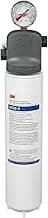
Furthermore, we must consider the needs of high-demand households. A large family with a best countertop ice maker with waterline will exhaust a standard 300-gallon filter in a matter of months. For these users, an oversized, high-capacity inline filter with a 2,000-gallon rating is a more sustainable gift, reducing the frequency of maintenance and the risk of the recipient forgetting to change a depleted cartridge.
Comparison of Technical Filtration Variables
When analyzing the market, it is essential to compare the physical capabilities of different filtration technologies. Dense "walls of text" often obscure the core differences that determine performance.
| Filter Type | Primary Media | Contaminant Focus | Average Lifespan | Physical Constraint |
|---|---|---|---|---|
| Granular Activated Carbon (GAC) | Loose Carbon Pellets | Chlorine, Taste, Odor | 3-6 Months | Potential for "carbon fines" to escape into ice. |
| Carbon Block | Compressed Carbon Powder | VOCs, Lead, Cysts | 6-12 Months | Higher pressure drop; requires 40+ PSI. |
| Reverse Osmosis (RO) Inline | Semi-permeable Membrane | Total Dissolved Solids (TDS) | 12-24 Months | Requires a dedicated storage tank and drain line. |
| Polyphosphate Composite | Carbon + Scale Inhibitor | Calcium, Magnesium, Chlorine | 6 Months | Does not "remove" minerals; only prevents scale. |
The Buy It For Life (BIFL) Philosophy and Hidden Costs
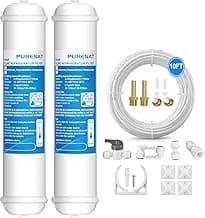
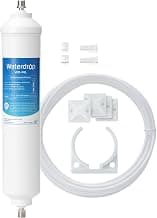
A significant pitfall in the filtration market is the "razor and blade" business model. Many manufacturers design proprietary connection points that force the user into expensive, low-quality replacement subscriptions. From a sustainability and repairability perspective—values highly regarded in independent Reddit communities—the best ice maker water filter is an universal inline system with 1/4-inch quick-connect fittings. These systems allow the user to swap in higher-grade third-party filters as technology improves, rather than being locked into a single brand's ecosystem.
Before committing to a gift, one should ask: what is not a good housewarming gift? Typically, it is an item that creates an unwanted financial burden for the recipient. A proprietary filter that costs $60 every four months can be a nuisance. In contrast, an universal housing with a replaceable cartridge offers a much lower total cost of ownership. This long-term value is a hallmark of a high-quality gift, similar to the logic used when determining what is a good gift for someone moving into a new house.
Addressing Environmental Concerns and Maintenance
In addition to water quality, modern homeowners are increasingly concerned with the total health of their environment. While a water filter handles the liquid input, an best indoor air quality monitor can provide a holistic view of the home's safety. However, the immediate impact of filtered ice is often more tangible. Clear ice, free from the white "cloudiness" caused by trapped air and minerals, is a hallmark of a well-maintained system. This cloudiness is more than an aesthetic flaw; it often indicates the presence of high mineral content that will eventually clog the small orifices of the ice-making assembly.
Frequently Asked Questions
Does a water filter remove all minerals from the ice?
No, a standard carbon-based ice maker filter is designed to target chemicals like chlorine and heavy metals, but it will not significantly reduce Total Dissolved Solids (TDS) unless it is a Reverse Osmosis system. To truly "soften" the water, you need specialized ion-exchange or polyphosphate media.
How often should I really change the ice maker filter?
Every six months is the industry standard, but the BLUF (Bottom Line Up Front) answer is that it depends entirely on your local water turbidity and usage volume. If you notice a decrease in water flow or if the ice cubes become smaller, the filter is likely clogged with sediment and needs immediate replacement regardless of the time elapsed.
Can I use a refrigerator filter for my standalone ice maker?
Yes, provided the fittings are compatible. Most standalone units use standard 1/4-inch tubing, making them compatible with universal inline refrigerator filters. However, always verify that the flow rate (GPM) of the filter meets the minimum requirements of the ice maker to avoid damaging the pump.
In conclusion, the best ice maker water filter is an investment in the home's infrastructure. By choosing a system that prioritizes technical efficiency, ease of maintenance, and universal compatibility, you are providing a gift that offers daily value and long-term peace of mind. Whether for a dedicated host or a family focused on wellness, pure ice is a luxury that starts with a commitment to superior engineering.