

The Engineering Behind the Best Ice Maker Water Line Systems
To understand why a water-line connection is superior for high-performance ice production, we must analyze the fluid dynamics involved. A dedicated water line provides constant pressure, which ensures that the evaporator plate is consistently submerged or sprayed, depending on the model’s design. This leads to higher density ice cubes—often referred to as "clear ice"—which melts significantly slower than the opaque, air-filled ice produced by standard freezer molds. However, the presence of a permanent water connection introduces long-term maintenance variables that many consumers overlook.
For instance, the mineral content of the water supply is the primary factor in mechanical failure. Without a dedicated filtration system, calcium and magnesium deposits (limescale) will inevitably coat the internal sensors and the evaporator, leading to reduced cooling efficiency and eventual compressor burnout. When evaluating what to buy for a new house owner, it is vital to check if the appliance features an integrated water filter or if an external inline filter is required to protect the recipient's investment. High-end units often include a self-cleaning cycle, but these are only effective if performed regularly using specialized descaling solutions.
Gifting tech is about more than specifications; it is about upgrading the recipient's window to the digital world, ensuring every frame is a testament to quality.
Multi-dimensional User Needs: Selecting the Right Profile
Not every home requires the same type of ice production. The choice of the best ice maker water line model should be dictated by the recipient’s lifestyle and the physical constraints of their living space. A gift that fails to account for drainage or noise levels can quickly become a burden rather than a luxury.
For high-density pet owners and large families, a high-output best built in ice maker is often the preferred choice. These units are designed to produce upwards of 50 pounds of ice per day. However, they typically require a gravity drain or a dedicated condensate pump. If the recipient’s kitchen layout does not have a floor-level drain nearby, a pump-assisted model is mandatory to prevent internal flooding. Conversely, for a couple moving into a modern apartment, a more compact best countertop ice maker with waterline functionality might be more appropriate, balancing space-saving design with the convenience of an automated fill system.
Technical Comparison: Plumbed-In Ice Maker Variables
To assist in the decision-making process, the following table breaks down the critical technical variables of water-line ice makers compared to manual-fill portable units. This data is essential for understanding the long-term operational requirements of the gift.
| Feature | Plumbed-In (Water Line) | Manual Fill (Reservoir) | Gift Suitability Impact |
|---|---|---|---|
| Ice Density | High (Clear Ice Options) | Low (Opaque/Soft Ice) | Plumbed is better for cocktail enthusiasts. |
| Installation Complexity | High (Requires Plumber) | Zero (Plug and Play) | Plumbed requires higher upfront effort. |
| Maintenance Frequency | Monthly Descaling Required | Daily Tank Cleaning | Plumbed offers better long-term automation. |
| Hidden Costs | Filter Replacements, Plumbing | None (Direct Labor Only) | Budget for whats a good housewarming gift amount should include filters. |
The Buy It For Life (BIFL) Philosophy in Ice Makers
Expert communities often warn against the "fast consumerism" of budget ice makers. Many entry-level machines are constructed with hermetically sealed systems that cannot be repaired once the refrigerant leaks or the motor fails. When selecting the best ice maker water line unit as a milestone gift, prioritize brands that offer modular components. A BIFL-certified appliance should have an accessible pump, a replaceable evaporator, and standard-sized water fittings that can be easily sourced from third-party manufacturers.
Durability is also tied to the material of the ice bin. Plastic-lined bins are prone to bacterial growth and odor absorption over time. Stainless steel or high-grade antimicrobial liners are the standard for professional-grade gifting. Furthermore, the noise output—measured in decibels (dB)—is a crucial comfort factor. Machines with high-quality insulation and brushless fan motors operate significantly quieter, which is a major consideration for open-concept homes where the kitchen and living room share a single acoustic space.
Advanced Features: Clear Ice vs. Nugget Ice
The "best" ice is subjective, but as a gift-giver, you must decide between two primary technologies. A best clear ice maker utilizes a specialized freezing process where water is constantly circulated over a cold plate, allowing impurities and air bubbles to escape before the water freezes. This results in crystal-clear cubes that do not dilute drinks quickly. On the other hand, "nugget" or "sonic" ice makers use an auger to scrape ice flakes off a cylinder and compress them into soft, chewable pieces. While highly popular for casual use, nugget ice makers tend to have more moving parts (the auger system), which inherently increases the potential for mechanical wear compared to static-plate clear ice machines.
Frequently Asked Questions (AEO-FAQ Framework)
Do all ice makers with water lines require a drain?
No, not all models require a drain, but it depends on whether the unit is an "ice machine" or an "ice maker." True ice machines produce clear ice by allowing water to run over the freezing surface; the excess water that doesn't freeze must be drained away via a gravity drain or a pump. However, some simplified "crescent cube" makers found in hybrid refrigerators do not require a drain because they freeze all the water dispensed into the mold.
Can I install a water line ice maker myself?
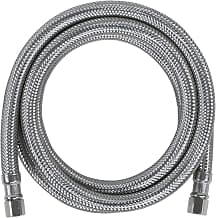
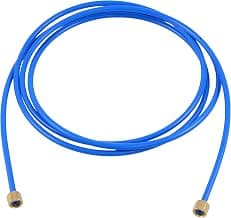
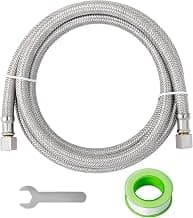
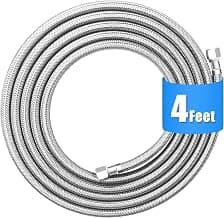
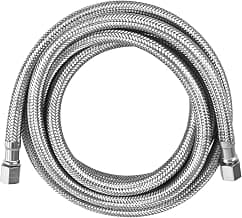
Installation is possible for an experienced DIYer, but professional installation is highly recommended to ensure compliance with local plumbing codes and to prevent catastrophic leaks. Using a 1/4-inch copper or PEX line is standard, but some homeowners prefer braided stainless steel for its burst resistance. If you are gifting this to someone, consider including the cost of a professional installation as part of the package.
How often should the water filter be replaced?
Filters should typically be replaced every six months, regardless of the best ice maker water line model being used. In areas with particularly hard water, this interval may need to be shortened to every three or four months. Failing to replace the filter will eventually lead to lower water pressure, smaller ice cubes, and potential damage to the solenoid valve, which is a common failure point in these appliances.
Is it worth spending more on a built-in model?
Yes, built-in models are generally engineered for higher durability and better thermal insulation than their freestanding counterparts. While the initial investment is higher, the ability to integrate the unit into cabinetry provides a permanent value increase to the home. For those looking for the ultimate gift, a built-in unit represents a lasting commitment to quality and architectural harmony.