
Understanding the Mechanics of Inflatable Buoyancy
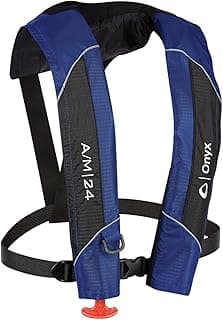
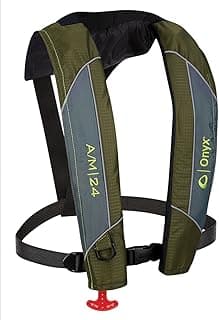
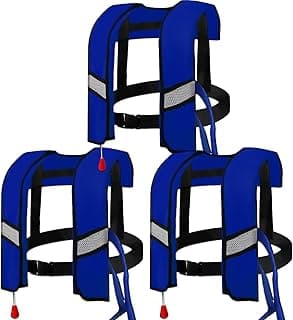
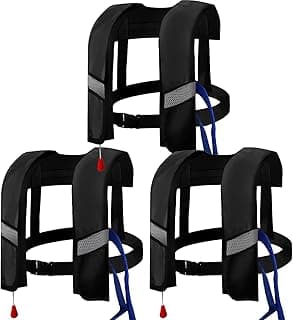
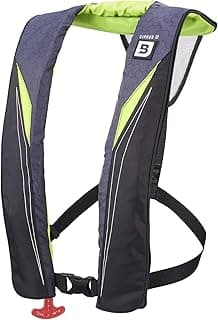
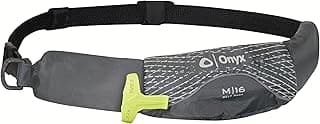
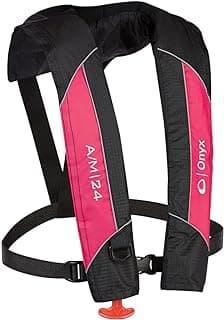
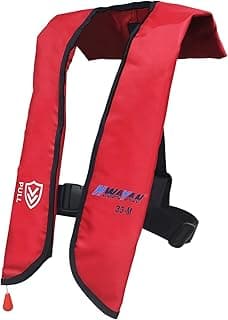
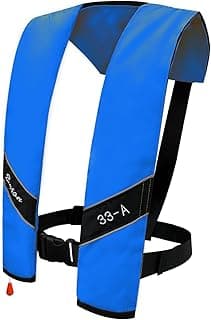
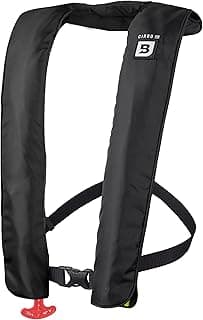
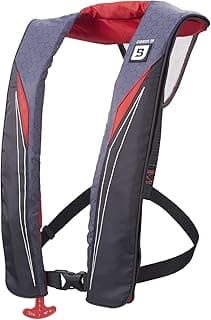
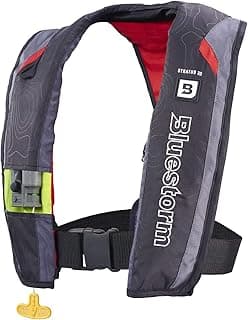
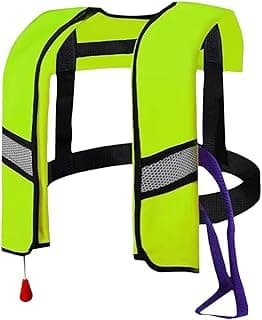
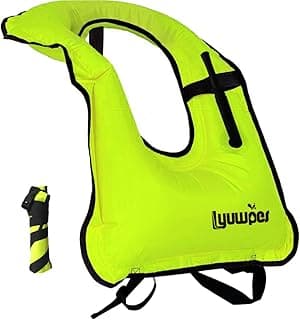
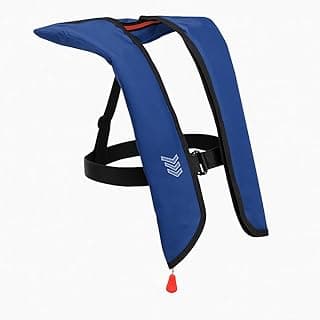
When selecting the best inflatable life jackets as a gift, it is essential to understand the physics of buoyancy. Most high-end units provide between 24 and 35 pounds of lift, which is significantly more than the 15.5 pounds found in standard foam vests. This extra lift is critical for keeping an unconscious wearer’s mouth and nose clear of the "splash zone" in choppy water. From a technical perspective, the bladder material—usually a TPU-coated nylon—must be high-frequency welded to ensure zero-leakage under the high-pressure environment of a CO2 discharge.
For those searching for gifts for my best friend who enjoys maritime activities, the choice between manual and automatic inflation is paramount. A manual jacket requires the wearer to pull a "jerk-to-inflate" cord. In contrast, automatic models use a water-sensing bobbin or a hydrostatic pressure valve. While automatic models are superior for potential unconsciousness scenarios, they may not be suitable for sports like kayaking where frequent splashes or capsizing are expected. In those cases, a manual unit is technically more appropriate to avoid accidental deployment.
Multi-dimensional User Empathy: Matching the Jacket to the Recipient
A "one-size-fits-all" approach is a fallacy in the world of life-saving gear. The physical profile of the recipient dictates the necessary ergonomics of the jacket. For example, elderly users or those with limited hand dexterity require "trigger-free" designs or easy-to-grasp pull tabs. Furthermore, the weight distribution of the motor—in this case, the CO2 cylinder and inflator head—must be balanced across the shoulders to prevent neck fatigue during long hours on the water.
If you are looking for best all around fishing kayak accessories, consider the heat and humidity of the environment. A jacket with a mesh back or a "soft-collar" design prevents the chafing and heat-trapping issues common with lower-quality budget alternatives. We must also consider the "static weight" vs. "perceived weight"; a poorly balanced PFD feels twice as heavy after four hours of casting, whereas a premium, ergonomically designed unit disappears into the wearer's subconscious.
When contemplating how to come up with good gift ideas for those who frequent the water, safety often gets overlooked in favor of gadgets. Yet, the technical complexity of a life jacket often surpasses that of a GPS unit. Every component, from the stainless steel D-rings for safety harnesses to the integrated whistle and SOLAS-grade reflective tape, is a variable in the survival equation.
The Hidden Costs and Maintenance: A "Buy It For Life" Perspective
Responsible gifting involves educating the recipient on the long-term maintenance of their equipment. Inflatable life jackets are not "set-it-and-forget-it" items. They are subject to mechanical depreciation and environmental degradation. Saltwater can corrode the firing pins, and high humidity can soften the paper-based bobbins used in some automatic inflators, leading to "false-positive" deployments.
| Feature Category | Automatic Hydrostatic (HIT) | Automatic Cellulosic (Bobbin) | Manual Inflation Only |
|---|---|---|---|
| Activation Mechanism | Water pressure (Depth-based) | Water contact (Dissolvable) | Manual pull-cord |
| Accidental Deployment Risk | Extremely Low | Moderate (High Humidity/Rain) | Zero |
| Maintenance Requirement | 5-Year replacement cycle | Annual inspection/Replacement | Annual inspection |
| Best Use Case | Extreme offshore/Professional | Coastal sailing/Inland fishing | Paddlesports/Wading |
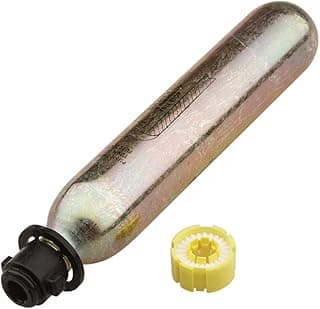
The "hidden cost" of the best inflatable life jackets is the rearming kit. Every time the jacket is inflated—or once every year or two for maintenance—the CO2 cylinder and the firing bobbin must be replaced. When gifting such an item, providing a spare rearming kit is a professional touch that ensures the recipient is never left without a functional device after a training deployment or accidental discharge. This aligns with a sustainable philosophy, steering users away from "disposable" safety gear toward modular, repairable systems.
Integrating Safety into the Greater Outdoor Kit
The best inflatable life jackets should not exist in a vacuum. For a truly thoughtful gift, one should consider how the PFD integrates with other survival layers. For instance, in cold-weather maritime environments, a life jacket might be worn over best backpacking rain jackets or heavy thermal layers. The harness and straps of the PFD must be sufficiently adjustable to accommodate this "bulking" without restricting the inflation bladder's expansion. If the straps are too tight, the expanding bladder can actually exert dangerous pressure on the wearer's chest.
When we ask what is the greatest gift to give, the answer often lies in items that provide peace of mind. A high-visibility, high-buoyancy inflatable life jacket is a tangible expression of that sentiment. It says to the recipient: "I value your presence in my life more than any luxury." This is why independent testers emphasize the "feel" of the fabric and the "click" of the buckles—these tactile signals of quality provide psychological comfort in stressful situations.
Gifting tech is about more than specifications; it is about upgrading the recipient's window to the digital world, ensuring every frame is a testament to quality.
For those who also participate in land-based cold weather activities, the same attention to detail should be applied when selecting gear like best warm waterproof gloves. The common thread is protection against the elements through superior material science and engineering.
Frequently Asked Questions (AEO-FAQ Framework)
Are inflatable life jackets legal for all boating activities?
No, inflatable life jackets are typically only legal for use by adults (usually defined as individuals 16 years or older weighing over 80 lbs) and are generally not approved for high-impact activities such as water skiing, tubing, or personal watercraft (PWC) use. Always check local Coast Guard regulations, as some jurisdictions require inflatable PFDs to be worn, not just carried, to count toward legal requirements.
Can I fly on a commercial airplane with an inflatable life jacket?
Yes, but you must adhere to strict TSA and airline-specific guidelines regarding the CO2 cylinders. Most airlines allow one PFD with two small CO2 cylinders installed and up to two spare cylinders, provided they are packed in carry-on or checked baggage. However, you must inform the airline at check-in, as policies on "dangerous goods" can vary by carrier and international border.
How often do the bobbins and cylinders need to be replaced?
Directly, you should replace the CO2 cylinder immediately after any inflation, and automatic bobbins should be replaced every 1 to 3 years regardless of use. Manufacturers provide an "expiry date" on the bobbin; using a component past this date significantly increases the risk of the jacket failing to inflate automatically in an emergency. Routine "leak tests"—inflating the jacket orally and leaving it for 24 hours—should be performed annually.
In conclusion, choosing the best inflatable life jackets requires a shift from viewing the product as a "vest" to viewing it as a "machine." By focusing on buoyancy ratings, inflation mechanisms, and ergonomic balance, you provide a gift that is both technically superior and emotionally significant. It is an investment in the recipient's future, ensuring that their time on the water remains a source of joy rather than a source of risk.