

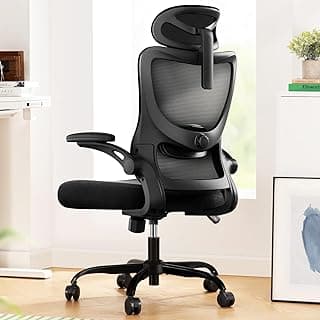
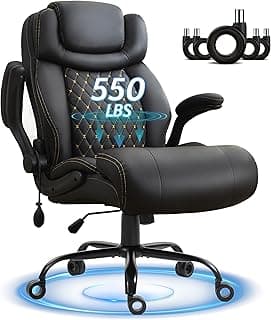
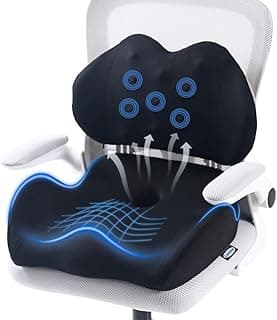
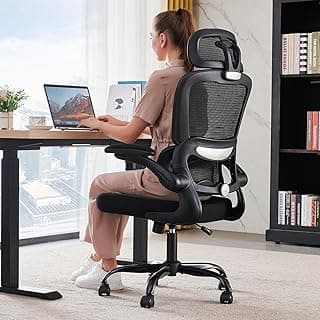
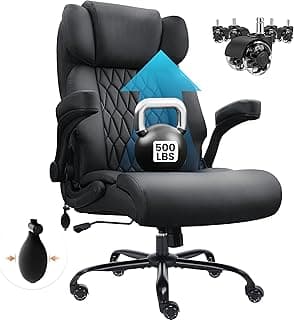
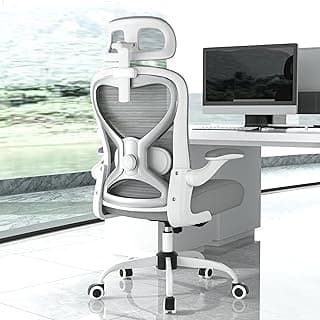
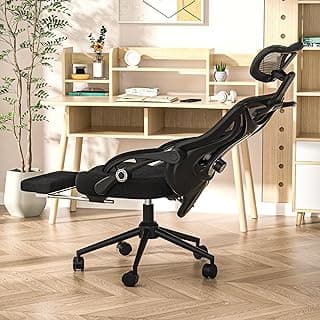

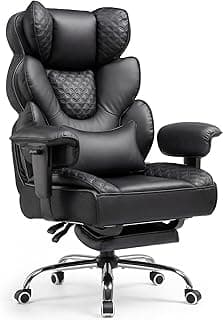
The Psychology of Gifting Ergonomics and Wellness
Most traditional gifts are ephemeral—flowers fade, and gadgets eventually become obsolete. However, a high-quality ergonomic chair is a "lifestyle" gift. It addresses a fundamental human need: physical comfort. When searching for best gift ideas for coworkers or a partner who spends eight hours a day in a home office, an ergonomic upgrade sends a powerful message. It says, "I value your health, and I want to support your daily well-being."
The psychological impact of reduced pain cannot be overstated. Chronic discomfort in the back and hips leads to irritability, fatigue, and decreased cognitive performance. By providing a solution to these issues, you are essentially helping the recipient reclaim their energy. Whether you are looking for a best gift for your manager as a collective team effort or a surprise for a spouse, the best office chair for back and hip pain serves as a daily reminder of your thoughtfulness.
The best gifts are those that solve a problem the recipient didn't even realize they could fix. An ergonomic chair doesn't just change how you sit; it changes how you feel at the end of the day.
Finding the Right Recipient and Occasion
Who is the ideal candidate for such a substantial gift? Beyond the obvious remote worker, think of students, creative artists, or even retirees who have taken up new digital hobbies. If you are exploring what to gift a mature woman who enjoys writing or crafting, a chair designed to stabilize the pelvis and support the spine is far more valuable than ornamental decor. Similarly, if you need a best birthday gift for men who are passionate about their career or gaming, a chair that offers adjustable lumbar support is a milestone present.
Common occasions for gifting an ergonomic chair include:
- A New Job or Promotion: Celebrating a career milestone with professional-grade equipment.
- Graduation: Helping a young adult start their career with healthy habits.
- Recovery: Supporting someone returning to work after a back injury or surgery.
Technical Deep Dive: What Makes a Chair "The Best" for Pain?
To identify the best office chair for back and hip pain, we must look beyond aesthetics and focus on biomechanics. The relationship between the lower back (lumbar) and the hips (pelvis) is intricate. When one is misaligned, the other suffers. A chair that truly addresses these issues must offer several key adjustable features.
1. Dynamic Lumbar Support
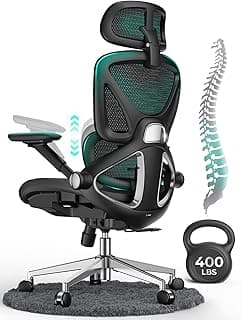
The lumbar spine has a natural inward curve. Without support, the spine flattens, putting immense pressure on the vertebral discs. The best chairs feature "live" backrests that move with the user, ensuring the lower spine is supported even when reaching for a phone or leaning forward. This is a critical feature to look for, much like how you would seek specific features in the best massage chair for back pain for post-work relaxation.
2. Pelvic Tilt and Seat Depth
Hip pain often stems from a seat that is too deep or too shallow. If the seat is too deep, it can press against the back of the knees, cutting off circulation and forcing the pelvis to tilt backward (posterior tilt). This strains the hip flexors and the lower back. The best office chair for back and hip pain will always include a seat slider to adjust the depth, allowing for two fingers of space between the seat edge and the back of the legs.
Proper ergonomics is not about a fixed position; it is about providing the body with the freedom to move while remaining supported.
3. The Importance of Armrest Adjustability
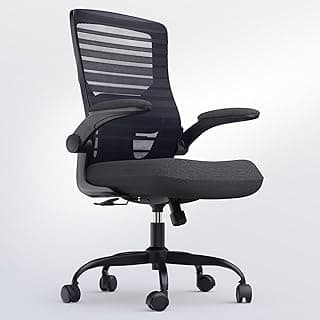
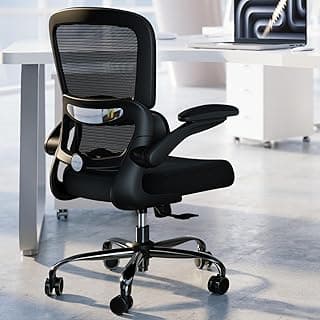
It might seem unrelated to the back, but armrests play a huge role. If armrests are too high, they cause shoulder shrugging and upper back tension. If they are too low, the user leans to one side, misaligning the hips. Look for "4D" armrests that move up, down, left, right, and pivot. This level of customization ensures that the weight of the arms is supported, taking the load off the spine.
Material Selection: Mesh, Fabric, or Leather?
When selecting the best office chair for back and hip pain as a gift, the material choice affects both comfort and durability.
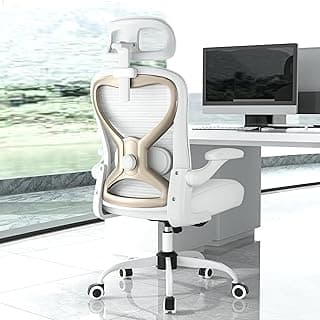
- Mesh: Highly breathable. It distributes weight evenly, which is excellent for hip pressure relief. However, poor-quality mesh can sag over time.
- Fabric: Offers a more traditional feel and often comes with thicker foam padding. High-density foam is vital for those with thin frames who feel "bottomed out" on harder surfaces.
- Leather: While prestigious and easy to clean, it can be slippery and hot. If you are pairing this with other high-end accessories like the best office bags for men, leather might be the aesthetic choice, but ensure it has adequate ventilation.
Addressing the Content Gap: The "Pelvic Pocket" Concept
Many reviews focus solely on the backrest, but the most overlooked aspect of hip pain is the "pelvic pocket." This refers to the contour of the seat pan. A flat seat pan forces the hips to bear all the body weight on the "sit bones" (ischial tuberosities). The best office chair for back and hip pain features a contoured seat that cradles the buttocks, redistributing pressure across the thighs and reducing the risk of sciatica and hip bursitis.
Movement is Medicine
Modern ergonomic theory suggests that "the next posture is the best posture." This means the chair should facilitate micro-movements. High-end chairs often feature a weight-sensitive recline mechanism. Instead of locking the chair in one position, these mechanisms provide a gentle tension that allows the user to rock slightly. This movement keeps the hip joints lubricated and the spinal discs hydrated throughout the day.
Investment in your workspace is an investment in your future self. Every hour spent in a poorly designed chair is a withdrawal from your long-term health bank.
Gift Pairing Ideas for the Professional
If you want to go above and beyond, consider creating a "Productive Professional" gift bundle. Start with the best office chair for back and hip pain as the centerpiece. You could then add high-quality peripherals that encourage better posture. For example, a laptop stand prevents "tech neck," which often causes the user to slouch and put pressure on the lower back. You might also consider a high-end carrying case, as browsing for the best laptop messenger bags for men can provide a stylish way to transport the tools that allow the recipient to work anywhere comfortably.
Final Considerations for the Perfect Choice
Before finalizing your purchase, consider the recipient’s height and weight. Most "standard" chairs are designed for the 5th to 95th percentile of the population, but if your recipient is particularly tall or petite, you may need to look for "Plus" or "Small" versions of a model to ensure the lumbar support hits the right spot. A chair that is too large will never be the best office chair for back and hip pain, regardless of its price tag, because the ergonomic features won't align with the user's anatomy.
In conclusion, choosing a chair is an act of empathy. It requires understanding the physical struggles of the person you are buying for and finding a technical solution that blends into their life seamlessly. By focusing on adjustability, material quality, and the specific needs of the lower body, you can provide a gift that truly makes a difference.
Gifts are for making an impression, not just for the sake of it. GiftsPick - Meticulous, Kind, Objective.