









Understanding the Psychological Resonance of Best Photo Gifts
The efficacy of a gift is often measured by its ability to signal that the giver has invested cognitive effort into understanding the recipient. Unlike mass-produced commodities, the best photo gifts require a selection process that involves reviewing past experiences and identifying moments of significant emotional weight. This process aligns with the "Self-Expansion Model" in social psychology, where individuals integrate aspects of others into their own identity through shared positive experiences.
The photograph does not necessarily say what is no longer, but only and for certain, what has been. This certainty is the psychological foundation of why we treasure visual records.
When selecting these items, particularly when searching for the best gift ideas for a woman who values sentimental depth, the focus should be on the narrative quality of the image. A high-resolution print of a mundane but meaningful Tuesday often carries more weight than a staged professional portrait. This is because the former triggers "autobiographical memory," a system that tracks personal experiences and provides a sense of self-continuity over time.
Comparative Analysis: Physical Media vs. Digital Displays
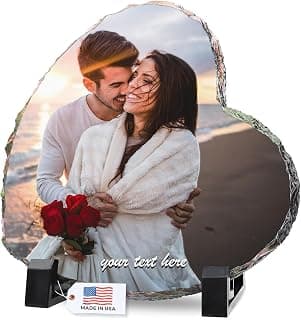
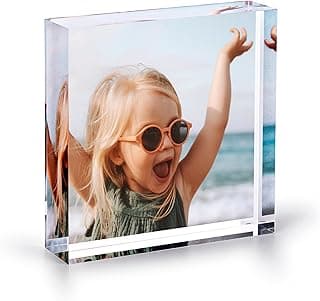
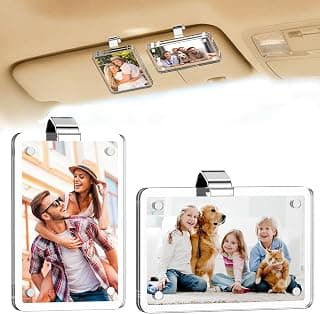
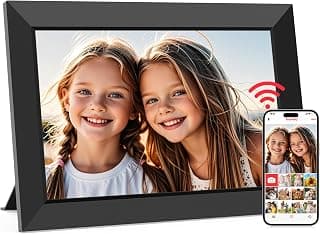
A primary decision for any donor is whether to present a static physical print or a dynamic digital display. Each medium communicates a different message regarding the longevity and accessibility of the memory. Logic suggests that physical prints offer a sense of "unplugged" permanence, whereas digital frames allow for a broader scope of storytelling through volume.
| Variable | Physical Print (Canvas/Paper) | Digital Photo Display |
|---|---|---|
| Cognitive Load | Low: Constant, passive presence. | High: Requires active viewing of changing sequences. |
| Durability | High: Dependent on archival ink and acid-free paper. | Medium: Subject to hardware failure and software obsolescence. |
| Emotional Weight | Singular focus: Highlights one definitive moment. | Chronological focus: Highlights a journey or series of events. |
| Maintenance | Minimal: Occasionally requires cleaning with the best cleaning cloths. | Variable: Requires power source and occasional file management. |
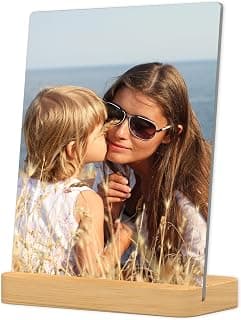
For individuals who spend significant time in digital environments, a best widescreen computer monitor might be the primary way they interact with their photo archives. However, the transition to a tangible object, such as a custom-bound book or a wood-mounted print, removes the memory from the "work" environment and places it into the "living" environment, which is essential for emotional decompression.
The Balance of Emotional Value and Material Utility
The Reddit community r/thoughtfulgifting often emphasizes that the material cost of a gift is frequently inversely proportional to its long-term emotional impact. This is particularly true for the best photo gifts. While a gold-plated frame has inherent material value, the emotional value is derived from the image it contains. If the image reflects a pivotal life transition, the material housing becomes secondary to the psychological comfort it provides.
In the context of professional or platonic relations, such as when looking for the best creative gifts for best friend, the emotional value serves as a "social glue." It reinforces the "interdependence" of the two parties. By presenting a photo gift, the giver is essentially saying: "I remember our shared history, and I value it enough to make it tangible." This act of recognition is a powerful tool for relationship maintenance and can often resolve minor interpersonal frictions by reminding both parties of their positive foundation.
Gifting is a language. When you give a photo, you are speaking in the past tense to ensure a future connection.
When the material value is too high, it can sometimes create a "reciprocity imbalance," where the recipient feels pressured to return a gift of equal monetary worth. However, photo-based gifts bypass this social trap because their value is subjective and non-marketable. You cannot easily place a price on a curated collection of family snapshots, which makes them inherently more "safe" and "diplomatic" than luxury retail goods.
Technical Considerations for Longevity and Fidelity
To ensure that the best photo gifts do not degrade over time, one must consider the technical aspects of reproduction. The chemistry of the print matters. Giclee printing, which uses pigment-based inks rather than dyes, is the gold standard for archival quality. Furthermore, the choice of substrate, such as cotton rag paper or high-grade canvas, determines how light interacts with the image, affecting its "perceived reality."
Givers often struggle with how to come up with good gift ideas when the available photos are of lower resolution. In these instances, behavioral science suggests that the "gestalt" or the overall feeling of the image is more important than technical perfection. Utilizing filters or artistic rendering can turn a grainy smartphone photo into a deliberate piece of impressionist art, maintaining the emotional resonance while masking technical deficiencies.
The academic study of what makes a memorable gift highlights three key pillars: Appropriateness, Surprise, and Significance. A photo gift naturally hits all three. It is appropriate because it is tailored to the recipient; it is surprising because it often features a moment the recipient may have forgotten; and it is significant because it documents their life journey.
Frequently Asked Questions
Is a photo gift appropriate for a professional acquaintance?
Yes, provided the subject matter is communal rather than intimate. A direct answer would be that a photo of a team achievement or a professional milestone is highly appropriate as it celebrates shared success without infringing on personal boundaries. Technical explanations of professional decorum suggest that such gifts should be framed in a neutral, high-quality material like brushed aluminum or dark wood to maintain a corporate aesthetic.
How do I choose the right photo for someone who is self-conscious?
Focus on the environment or the candid interaction rather than a close-up portrait. Bottom line: select an image where the recipient looks "engaged" or "joyful" rather than just "symmetrically perfect." Psychological research indicates that people tend to be more critical of their own physical appearance than others are, but they are generally receptive to images that capture them in a state of "flow" or happiness.
Will digital photos eventually replace physical photo gifts?
No. While digital storage is more efficient, the human brain interacts differently with physical objects. A direct negative answer is based on the principle of "Haptic Perception," where the touch and physical presence of a photo album or a framed print create a more lasting sensory memory than a glowing screen. Physical objects also do not require software updates to remain visible, ensuring their status as long-term family heirlooms.
In conclusion, the best photo gifts are those that prioritize the recipient's narrative over the giver's convenience. By applying logical selection criteria and understanding the underlying behavioral triggers, one can provide a gift that transcends the material and becomes a permanent fixture in the recipient's emotional landscape.