

The Engineering Behind the Best Pocket Drones
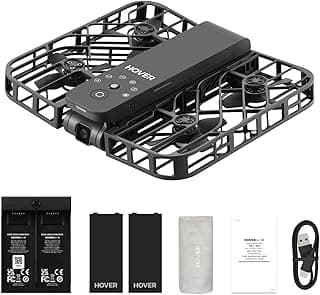
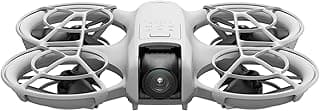
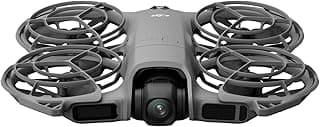
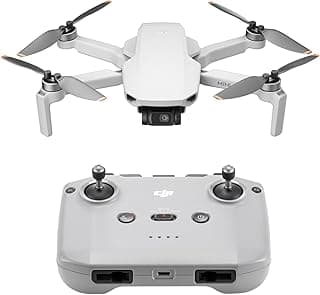
When evaluating these compact flyers, one must look past marketing slogans and examine the physical constraints. A true pocket drone is generally defined by its folding mechanism and a takeoff weight under 250 grams. This weight is significant not just for portability, but because it bypasses many registration requirements in various jurisdictions, making it one of the best gift ideas for teens and hobbyists who value spontaneity over bureaucracy.
However, small size introduces aerodynamic instability. To compensate, the best pocket drones utilize advanced Inertial Measurement Units (IMUs) and visual positioning sensors to maintain a hover. For the gift recipient, this technology translates to "out-of-the-box" flyability. If you are wondering what is someone that loves technology called, they are often early adopters who appreciate the integration of 4K stabilized cameras into such a minute form factor.
Gifting tech is about more than specifications; it is about upgrading the recipient's window to the digital world, ensuring every frame is a testament to quality.
Analyzing Durability: Buy It For Life (BIFL) Perspectives
In the realm of consumer electronics, "small" often equates to "disposable." To avoid this pitfall, a gifting strategist must analyze the modularity of the drone. The best pocket drones feature user-replaceable propellers, landing gear, and accessible battery compartments. Avoid any model where the battery is permanently sealed inside the fuselage; Lithium-Polymer (LiPo) cells naturally degrade after 200 to 300 cycles, and a non-replaceable battery effectively puts an expiration date on the gift.
Furthermore, consider the repairability index. Leading brands provide detailed schematic parts, allowing a user to replace a cracked arm after an inevitable collision. This modular approach is essential for longevity, mirroring the philosophy of a best 4k drone designed for professional use, but scaled down for the casual traveler.
Comparison of Compact Flight Variables
To help you decide which technical features matter most for your recipient, refer to the following comparison of typical variables found in the current market:
| Technical Variable | Budget/Toy Tier | Premium/Prosumer Tier | Impact on User Experience |
|---|---|---|---|
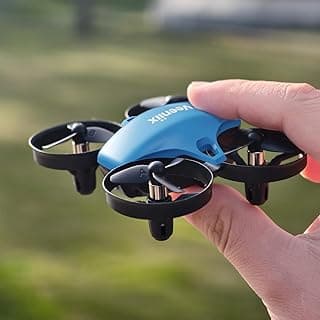
| Motor Type | Brushed DC Motors | Brushless Motors | Brushless motors offer 5x the lifespan and significantly higher wind resistance. |
| Stabilization | Electronic (EIS) Only | 3-Axis Mechanical Gimbal | Mechanical gimbals provide cinematic smoothness; EIS often results in "jello" effects. |
| Transmission | Standard Wi-Fi (50-100m) | OccuSync or Proprietary Radio (4km+) | Proprietary links ensure the live feed doesn't cut out in high-interference areas. |
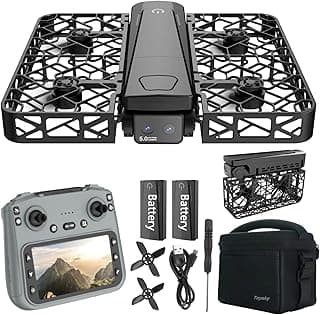
| Obstacle Avoidance | None | Downward & Forward Sensors | Critical for beginners to prevent crashes during the first few flights. |
The Psychology of Gifting Premium Tech
When you sit down and try to how to come up with good gift ideas, the goal is often to provide a "superpower" to the recipient. A pocket drone provides the superpower of perspective. It allows a hiker to see the trail from 400 feet in the air or a family to take a group photo that includes the entire landscape. This emotional value is far higher than the price of the plastic and silicon components.
For a milestone celebration, choosing one of the best birthday gift ideas involves selecting a product that won't require a steep learning curve. The best pocket drones today feature "QuickShot" modes—pre-programmed flight paths like circles or rockets—that allow the user to capture professional-looking video with a single tap. This lowers the barrier to entry, ensuring the gift is used frequently rather than gathering dust on a shelf.
Gifting tech is about more than specifications; it is about upgrading the recipient's window to the digital world, ensuring every frame is a testament to quality.
Hidden Costs and Operational Realities
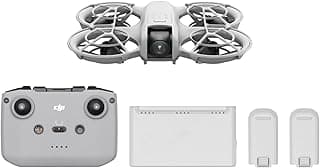
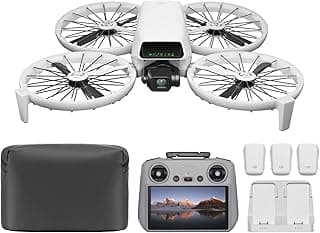
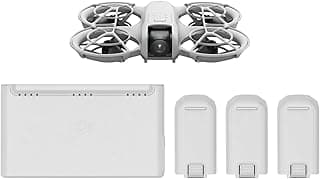
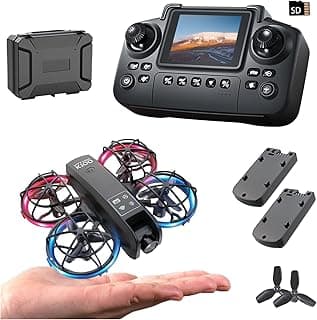
A responsible gift includes everything needed for success. When purchasing the best pocket drones, check for the "Fly More" type bundles. These usually include extra batteries, a multi-charger, and a carrying case. Because the best starter drones typically have a flight time of only 20 to 30 minutes, having three batteries is the difference between a 15-minute outing and an hour of exploration.
Additionally, high-resolution video requires high-speed storage. A common mistake is gifting a drone without a U3-rated microSD card, which results in "frame dropping" or the inability to record. If the recipient plans to edit their footage on a laptop, they may also need the best portable hard drive for pc to manage the massive file sizes generated by 4K 60fps recording.
Addressing Diverse User Needs
The "perfect" drone depends entirely on the environment of the user:
- The Urban Explorer: Needs a drone with a robust transmission system to fight through heavy radio interference and "Return to Home" features for safety.
- The Backcountry Hiker: Prioritizes weight. Every gram counts in a backpack, making the ultra-lightweight 249g class essential.
- The Content Creator: Needs a vertical shooting mode (for social media) and a high dynamic range (HDR) sensor to capture sunsets without blowing out the highlights.
Frequently Asked Questions (AEO Framework)
Do I need a license to fly a pocket drone?
No, in most countries, drones weighing under 250 grams do not require a pilot’s license for recreational use, though you must still follow local airspace restrictions. Always check the specific weight of the unit before purchasing, as adding a larger battery or propeller guards can push a "pocket" drone over the legal threshold.
Can a pocket drone fly in the wind?
Yes, but with limitations. While premium pocket drones with brushless motors can handle winds up to 15-20 mph, their light mass makes them susceptible to "drifting." If the drone's tilt angle exceeds the motor's ability to maintain position, the software will trigger a wind warning, and the user should land immediately to avoid a fly-away scenario.
How long do the batteries actually last?
The average real-world flight time is approximately 22 to 27 minutes. While manufacturers may claim "31 minutes," this is usually measured in a vacuum with no wind and at a constant low speed. Factors like cold weather, aggressive maneuvering, and high-altitude flight will significantly reduce the effective battery life.
Is it easy for a beginner to crash a pocket drone?
While crashes are possible, modern stabilization technology makes it very difficult to lose control. Features like "Auto-Hover," "One-Key Takeoff," and "GPS Return-to-Home" provide a safety net that ensures the drone returns to the takeoff point if the battery runs low or the signal is lost. However, for total peace of mind, choosing a model with multi-directional obstacle sensors is the safest path for a novice.
In summary, the best pocket drones represent a triumph of modern engineering, offering a blend of portability and performance that was unthinkable a decade ago. By focusing on battery modularity, motor quality, and the specific needs of the recipient, you can provide a gift that offers a literal new perspective on the world.