
The Engineering of Concealment: Fabric Density and Frame Integrity
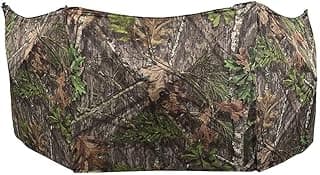
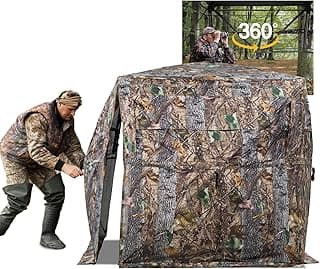
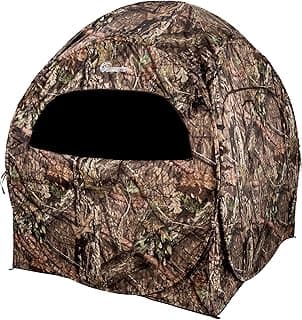
When evaluating the technical merits of a hunting blind, the primary variable is the denier count of the fabric. High-performance models typically utilize 300D to 600D polyester. Skepticism is necessary here: higher denier counts increase durability and wind resistance but add significant weight. A 600D fabric provides a robust barrier against thorns and heavy snowfall, yet for a hunter who travels miles on foot, a 300D fabric with a reinforced ripstop weave may offer a better compromise. This technical balance is why blinds are often cited among the best gift ideas for him when he is an active tracker.
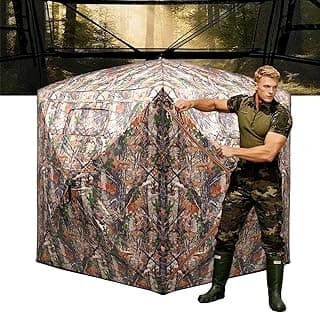
Frame mechanics also dictate the longevity of the gift. Most portable units utilize a hub-style system. From a mechanical engineering perspective, the stress points are located at the center hubs and the fiberglass rod terminals. Independent testing and feedback from dedicated repair communities suggest that many budget-friendly blinds fail at these pivot points during high-wind events. Seek out models with reinforced corner pockets and heavy-duty steel or high-flex fiberglass rods. A blind that collapses under a light gust is not only a poor tool but a failed investment in the recipient's comfort.
Gifting tech is about more than specifications; it is about upgrading the recipient's window to the digital world, ensuring every frame is a testament to quality.
Multi-dimensional Empathy: Matching the Blind to the Hunter
Understanding how to come up with good gift ideas in the hunting space requires looking at the physical limitations and specific environments of the user. A "one size fits all" approach rarely works for professional gear.
The Solo Backcountry Hunter
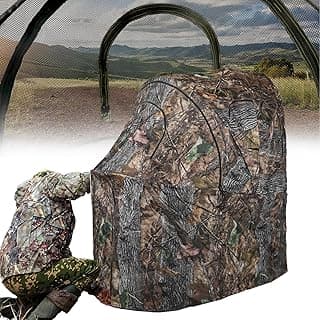
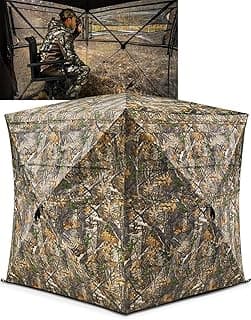
For the individual who hikes deep into public lands, weight is the enemy. The ideal blind for this user must weigh under 15 pounds and feature a backpack-style carrying case with padded straps. Here, the "see-through" mesh technology is a significant advantage, allowing for a 270-degree field of view without the need to open windows and risk thermal or scent detection. This level of tech often places these units among what are the best-rated gifts for men who take their sport seriously.
The Elderly or Mobility-Impaired Hunter
Physical accessibility is a critical consideration. For hunters with arthritis or limited mobility, the traditional "pop-up" hub system can be difficult to engage. Look for "one-pull" mechanisms that require minimal force to tension the walls. Furthermore, internal space must accommodate a best hunting chair for blind, ensuring the hunter can remain seated for long durations without spinal strain. Static weight distribution and a wide, zipperless entry are paramount for safety and ease of use in these scenarios.
Comparative Analysis of Technical Variables
To better understand the trade-offs in current portable blind designs, the following table compares key metrics that impact long-term ownership and field performance.
| Feature Category | Lightweight Scout Models | Heavy-Duty Fortress Models | Technical Consideration |
|---|---|---|---|
| Fabric Density | 150D - 300D | 600D+ | Impacts UV degradation and scent retention. |
| Weight | 8 - 14 lbs | 20 - 30 lbs | Directly affects mobility and fatigue levels. |
| Window System | Zippered / Velcro | Silent Sliders / Magnetic | Velcro is noisy; magnetic sliders are preferred for stealth. |
| Footprint | 55" x 55" | 70" x 70" | Determines capacity for gear and partners. |
The Buy It For Life (BIFL) Perspective: Hidden Costs and Maintenance
A high-quality hunting blind should be viewed as a multi-season asset, not a disposable item. The hidden costs of low-quality blinds often manifest in the second year of ownership. UV exposure is the primary culprit, causing fabrics to become brittle and "bleach" out, which ruins the camouflage effectiveness. Expert gift-givers should look for fabrics treated with specialized UV stabilizers. Additionally, consider the availability of replacement parts. Modular designs that allow for the replacement of a single fiberglass rod or a center hub assembly are superior to those that must be discarded entirely if one component snaps.
Operational costs are also tied to peripheral equipment. A hunter gifted a premium blind will often need to pair it with high-clarity optics, such as the best 10x50 binoculars for hunting, to effectively scan through the mesh windows. Maintaining the blind involves keeping the "silent sliders" lubricated with scent-free silicone and ensuring the stakes are replaced with heavy-duty forged steel versions if the originals are made of flimsy aluminum.
Frequently Asked Questions (AEO-FAQ Framework)
Is a see-through mesh blind better than a traditional solid-wall blind?
Yes, for hunters who value situational awareness, see-through mesh is superior because it allows for a panoramic view of the surroundings while remaining completely concealed from the outside. However, the caveat is that these mesh fabrics offer slightly less thermal insulation than heavy-duty solid walls, meaning they may be less comfortable in sub-zero temperatures without a supplemental heat source.
Can a portable hunting blind be used for all types of game?
Yes, most portable blinds are versatile enough for deer, turkey, and predator hunting, provided the camouflage pattern is appropriate for the local foliage. Turkeys have exceptional color vision, making high-fidelity 3D patterns more effective, whereas deer are more sensitive to movement and scent, making the scent-sealing properties of the blind the more critical factor.
How do I prevent my hunting blind from blowing away in high winds?
Always utilize a combination of heavy-duty ground stakes and tie-down guy lines attached to the center hubs. Many factory-provided stakes are insufficient for soft or sandy soil; upgrading to longer, 12-inch steel stakes is a recommended modification to ensure the structure remains stable in gusts exceeding 20 mph.
How much internal space is required for two hunters?
A minimum footprint of 65" x 65" with an interior height of 68" is generally required to accommodate two adults and their associated gear. Anything smaller will lead to cramped conditions, which increases the likelihood of accidental noise or movement that can alert game to your presence.
In conclusion, the best portable hunting blind is a gift that honors the recipient's passion by providing a technical edge and increased field comfort. By focusing on engineering durability, user-specific ergonomics, and a BIFL philosophy, you ensure that your gift remains a reliable part of their hunting tradition for years to come.