
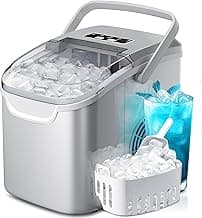
Thermal Engineering and the Physics of Portable Ice Production
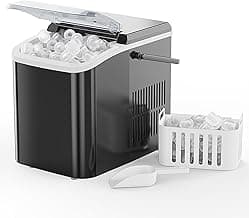
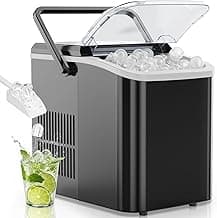
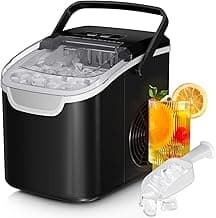
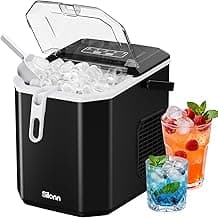
The core challenge of ice production in a camping environment is the struggle against entropy. Most consumer-grade portable ice makers utilize a vapor-compression cycle, similar to a household refrigerator but miniaturized. These units rely on a compressor, a condenser, and an evaporator. When evaluating the best portable ice maker for camping, a mechanical engineer looks specifically at the efficiency of the heat exchange. In outdoor settings, where temperatures often exceed 90°F, a poorly insulated unit will see its ice melt almost as quickly as it is formed. This "re-cycling" of melted ice into new cubes places a massive strain on the compressor, leading to premature component failure.
Gifting tech is about more than specifications; it is about upgrading the recipient's window to the digital world, ensuring every frame is a testament to quality.
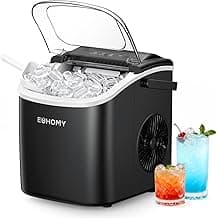
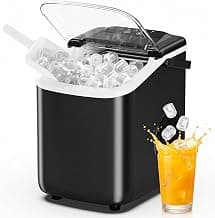
Unlike high-end residential units, such as the best clear ice maker which prioritizes aesthetics and crystal-clear density, camping-focused models are optimized for speed and low energy consumption. Most produce "bullet ice"—hollow, opaque cylinders. The hollow center increases the surface area, allowing the ice to cool beverages faster, which is a functional advantage when you are dealing with limited cooler space. However, the trade-off is density; bullet ice melts significantly faster than solid cubes, meaning it is less suitable for long-term food preservation in a cooler and better suited for immediate consumption.
Power Dynamics: Solar, Battery, and Inverter Requirements
For the off-grid enthusiast, the most critical specification is not "ice per day," but "Amps per hour." A common mistake when selecting the best camping ice maker is overlooking the startup surge. Compressors require a massive "inrush current" to kick-start the cooling cycle, often three to four times their running wattage. If your recipient is using a portable power station or a solar-integrated battery system, they must ensure their inverter can handle this peak load. If you are researching how to come-up with good gift ideas for a tech-savvy camper, always pair an appliance recommendation with a discussion on power compatibility.
| Ice Maker Type | Cooling Technology | Typical Power Draw | Best Use Case |
|---|---|---|---|
| Standard Portable | Vapor-Compression | 100W - 150W | RV hookups, high-capacity power stations |
| Peltier (Thermoelectric) | Solid-state heat pump | 40W - 60W | Extremely slow; only viable for very small quantities |
| Nugget Ice Maker | Auger-driven compression | 200W+ | Luxury base-camping with massive power reserves |
The Buy It For Life (BIFL) Perspective: Durability and Maintenance
From the perspective of the repair community, the "hidden cost" of portable ice makers is their lack of serviceability. Most units under $200 are designed with sealed systems that cannot be recharged with refrigerant (typically R600a) if a leak occurs. Furthermore, the internal sensors—specifically the infrared "ice full" sensor and the water level float—are prone to failure if exposed to the dust and humidity typical of camping. To ensure your gift doesn't end up in a landfill within two seasons, look for models with accessible drainage ports and robust, shielded electronics.
A "Buy It For Life" philosophy also requires a strict maintenance schedule. Mineral buildup from hard water can calcify the evaporator rods, leading to "stuck" ice cycles that can burn out the drive motor. Providing a descaling kit alongside the machine transforms the gift from a temporary convenience into a long-term asset. This attention to detail is what separates a generic purchase from what many consider the best birthday gift ideas for outdoor enthusiasts. In many ways, providing a functional, reliable tool for self-sufficiency is what is the greatest gift to give to a seasoned traveler.
Multi-Dimensional User Needs: From RVs to Night Hikes
The "best" unit depends entirely on the user's mobility. An RV owner has the luxury of space and a 120V AC outlet, making weight a secondary concern. Conversely, a truck-bed camper or a minimalist overlander needs a unit with a small footprint and low decibel output. Noise pollution in a quiet campsite can be a significant deterrent; a compressor that vibrates at a high frequency can ruin the serenity of the woods. Engineering-focused brands prioritize rubberized feet and dampened motor mounts to mitigate this issue.
Furthermore, safety in the wild often involves more than just cold drinks. When setting up a camp kitchen at night, visibility is paramount. It is often wise to bundle an ice maker with other utility gear, such as the best camping headlight, to ensure the user can safely refill water reservoirs and manage drainage after the sun sets. When considering what is a good experiential gift, think about the entire "evening at camp" experience—cold drinks, safe lighting, and organized utility.
Direct Answer Framework: Frequently Asked Questions
Can a portable ice maker run on a 12V car battery?
No, not directly. Most portable ice makers require 120V AC power, meaning you must use an inverter. While some "dual-voltage" models exist, they are rare and often significantly less efficient than their AC counterparts. If running off a 12V system, ensure your inverter is a "pure sine wave" type to protect the sensitive compressor electronics.
Does the ice maker keep the ice frozen like a freezer?
No. Portable ice makers are not freezers; they are insulated storage bins. Once the ice is produced, it will slowly begin to melt. The unit is designed to catch the meltwater and recycle it back into the reservoir to start a new cycle. To keep ice for long periods, it must be transferred to a dedicated cooler or freezer.
How long does it take to make the first batch of ice?
Under standard conditions, most units produce their first "drop" of 9 pieces of ice in 6 to 10 minutes. However, the first few batches are usually smaller and thinner as the evaporator rods have not yet reached their optimal operating temperature. Maximum density is typically achieved after 30 minutes of continuous operation.
Ultimately, choosing the best portable ice maker for camping involves balancing the laws of thermodynamics with the practicalities of the trail. It is a gift that offers tangible relief from the elements, turning a sweltering afternoon into a refreshed, revitalized experience. By focusing on power efficiency, build quality, and maintenance capability, you ensure that your gift remains a staple of the recipient's gear kit for years to come.