
Understanding the Thermodynamics of Portable Ice Production
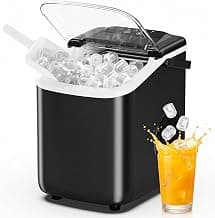
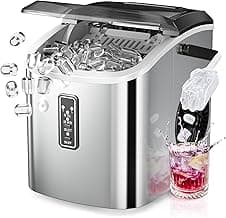
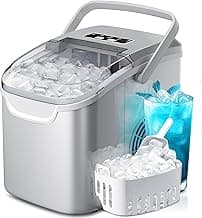
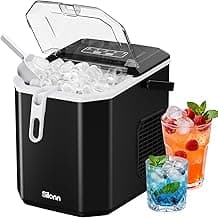
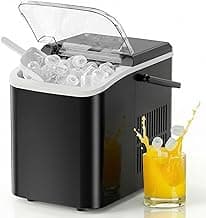
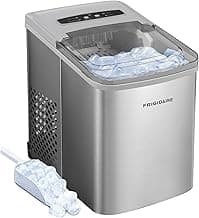
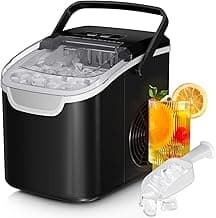
From a mechanical engineering perspective, a portable ice maker is a marvel of miniaturized refrigeration. These units typically employ a compressor-based cooling system using environmentally friendly refrigerants like R600a. The process begins with water being pumped into a galvanized or plastic tray where metal prongs (evaporator fingers) are submerged. As the refrigerant evaporates within these prongs, it pulls heat from the surrounding water, causing ice to flash-freeze around the metal. Once the desired thickness is achieved, a brief heating cycle—often referred to as a "hot gas harvest"—releases the cubes into a collection basket.
However, users must understand the Principle of Commercial Neutrality: these machines are not freezers. While they can produce ice rapidly, the storage compartments are usually insulated but not actively refrigerated. This means that if the ice is not moved to a proper freezer, it will eventually melt and the water will be recycled for the next cycle. This distinction is vital when choosing what is a good gift for a girlfriend who loves hosting cocktail parties or an outdoor enthusiast who needs a best camping ice maker for their summer excursions.
Gifting tech is about more than specifications; it is about upgrading the recipient's window to the digital world, ensuring every frame is a testament to quality.
Analyzing User Needs: From Home Mixologists to Small Apartment Dwellers
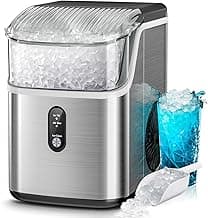
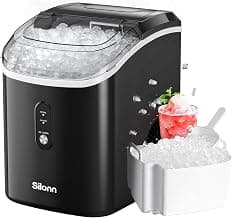
A multi-dimensional approach to product analysis reveals that the "best" ice maker depends entirely on the recipient's living conditions and physical capabilities. For high-density users, such as those with large families or frequent guests, a machine that produces "nugget" or "chewable" ice is often the gold standard. These units, like the best countertop nugget ice maker, use an auger system to scrape ice flakes and compress them into small, porous cylinders that retain the flavor of the beverage. Conversely, a mixologist will prioritize a best clear ice maker for home bar, which uses a directional freezing method to remove impurities and air bubbles, resulting in slow-melting, crystal-clear cubes.
For the elderly or those with limited mobility, ergonomics are paramount. An ideal gift should feature a large, high-contrast LCD interface and a top-loading design that avoids unnecessary bending. Furthermore, the decibel level is a critical factor for small apartment dwellers. A machine that operates at 50 dB might be tolerable in a large house but disruptive in a studio. Expert reviews must highlight the noise-to-production ratio to ensure the gift brings joy rather than annoyance.
Comparing Ice Varieties: Technical Performance Table
To help you navigate the best portable ice maker reviews, the following table compares the physical properties and energy requirements of the three primary ice types produced by portable units.
| Ice Type | Production Method | Cooling Efficiency | Ideal Use Case |
|---|---|---|---|
| Bullet Ice | Evaporator Prongs | High (Rapid Cycle) | Smoothies, general chilling |
| Nugget Ice | Auger/Compression | Moderate | Soft drinks, "The Good Ice" enthusiasts |
| Clear Ice | Directional Freezing | Low (Longer Cycle) | Premium Cocktails, Scotch, Whiskey |
The Buy It For Life (BIFL) Philosophy: Maintenance and Hidden Costs
Investing in a kitchen appliance involves more than the initial purchase price. When determining how much money is good for a housewarming gift, one must consider the long-term operational costs and repairability. Many budget-tier ice makers are "black box" devices; once the internal water pump fails or the sensors become clouded with mineral deposits, they are nearly impossible to disassemble and repair. This leads to electronic waste and a frustrated recipient.
To ensure a gift lasts, guide your choice toward modular systems that offer easy access to the water reservoir and removable drainage plugs. Mineral buildup (scaling) is the primary killer of portable ice makers. A high-quality best bar ice maker will often include a self-cleaning function, but users should still be educated on using distilled or filtered water to extend the compressor's life. Always check the availability of third-party replacement gaskets and sensors before committing to a specific brand.
Optimizing the Gifting Strategy
When presenting a portable ice maker, consider the total experience. A machine alone is useful, but as a gift, it can be elevated by including a high-grade ice scoop, a set of premium glasses, or a guide to artisan ice. If you are selecting a unit based on best portable ice maker reviews, look for features like "auto-shutoff" when the basket is full or the water is low, which prevents motor burnout—a common issue in lower-end models. This level of technical consideration demonstrates that you are not just buying a gadget, but providing a durable solution for their home.
Frequently Asked Questions About Portable Ice Makers
Can I leave a portable ice maker on 24/7?
Yes, most modern units are designed to stay on, as they have sensors to stop production when the basket is full. However, from a mechanical longevity standpoint, it is better to turn the unit off if it will not be used for several days to prevent the pump from running unnecessarily and to reduce electricity consumption.
Why does my ice maker smell like plastic?
New machines often have "factory odors" from the plastic moldings and hoses. To fix this, run a cycle with a 1:1 mixture of water and white vinegar, followed by two cycles of pure water. This will sanitize the internal pathways and remove any residual manufacturing chemicals.
How often should I clean a portable ice maker?
You should perform a deep clean at least once every month. In areas with hard water, bi-weekly cleaning is recommended. Neglecting this leads to biofilm accumulation and mineral scaling, which can reduce the cooling efficiency of the evaporator fingers and eventually lead to complete system failure.
Does the room temperature affect ice production?
Absolutely. Portable ice makers rely on air-cooled condensers. If the ambient temperature is above 80°F (26°C), the machine will take significantly longer to produce each batch of ice. For optimal performance, keep the machine in a well-ventilated, cool area away from direct sunlight or ovens.
Ultimately, selecting a device based on rigorous best portable ice maker reviews ensures that your gift is both a practical upgrade and a lasting symbol of quality. By prioritizing thermal efficiency, repairability, and specific user needs, you can turn a simple appliance into a cornerstone of the recipient's home life.