

The Engineering Behind the Power: Riser and Cam Synergy
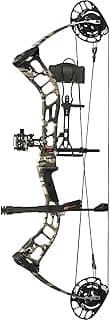
From a mechanical engineering standpoint, the best PSE bow for hunting is distinguished by its riser material and cam synchronization. PSE offers two primary paths: ultra-lightweight carbon fiber and high-rigidity 7075 aluminum. Carbon risers are preferred by backcountry hunters who endure long treks where every gram of weight influences fatigue. Conversely, aluminum risers provide a steadier aiming platform due to their increased mass and vibration-dampening properties. When selecting a best compound bow for hunting, the stability of the riser is just as critical as the speed of the limbs.
The "Evolve" Cam System (ECS) is widely regarded by the Reddit repair and tuning communities as one of the most user-friendly high-performance systems ever designed. It allows for a high let-off (up to 90%), which means the hunter only holds a fraction of the draw weight at full draw. This is a critical ergonomic feature for hunters who must remain steady in a tree stand for several minutes while waiting for a clean shot. However, as an expert tester, I must note that higher let-off can sometimes lead to a "spongy" back wall, which might affect the consistency of seasoned professional archers who prefer a more rigid stop.
Gifting tech is about more than specifications; it is about upgrading the recipient's window to the digital world, ensuring every frame is a testament to quality.
Technical Specifications Comparison
To help you distinguish between the top-tier models, the following table compares key technical variables that influence real-world performance. Note that "IBO Speed" is measured under laboratory conditions; real-world speeds will vary based on arrow weight and draw length.
| Feature | PSE Carbon One | PSE Fortis 33 | PSE Mach 34 |
|---|---|---|---|
| Riser Material | Proprietary Carbon | 7075 Aluminum | Full Carbon Stealth |
| IBO Speed | 332 FPS | 340 FPS | 335 FPS |
| Axle-to-Axle | 30 Inches | 33 Inches | 34 Inches |
| Brace Height | 6.625 Inches | 6.75 Inches | 6.75 Inches |
| Weight (Bare) | 3.6 lbs | 4.5 lbs | 3.65 lbs |
The Gifting Strategy: Aligning the Bow to the Recipient
Choosing the best PSE bow for hunting for another person involves more than picking the fastest model. You must consider the recipient’s specific needs. If you are exploring best gift ideas for teens who are just entering the sport, a model with high adjustability in draw length and weight is paramount. A bow that they can "grow into" prevents the gift from becoming obsolete within a single season. If you are struggling with the process, it is helpful to how to come up with good gift ideas by observing their current gear or asking about their preferred hunting style—whether they hunt from a tight ground blind or open western plains.
For the experienced archer, a gift should focus on marginal gains: a smoother draw cycle or better vibration management. In these cases, the best PSE bow for hunting might be a flagship carbon model. To complete the gift, consider high-quality accessories. A hunter focusing on precision will appreciate the best bow and arrow for hunting combinations, but they also need safety gear. High-decibel environments or the need for auditory awareness in the field make best electronic ear muffs an excellent companion gift for any archer who also frequents the gun range.
Buy It For Life (BIFL) Philosophy & Hidden Costs
One of the most important aspects of purchasing a PSE bow is understanding the long-term ownership cycle. A PSE bow is built to last a decade or more, but it requires periodic maintenance that adds to the "true cost" of the gift. Archers often find that factory strings, while functional, may need replacement within 18 to 24 months of heavy use to maintain peak timing and prevent "peep twist." Investing in high-end aftermarket strings made of BCY 452X material is a common upgrade recommended by the repair community to ensure the bow remains a "Buy It For Life" asset.
Furthermore, because PSE bows are high-performance machines, they are less tolerant of "dry firing" (releasing the string without an arrow) than budget alternatives. A single dry fire can cause catastrophic failure of the limbs or cams, leading to expensive repairs not always covered by warranty. When gifting such a machine, educating the recipient on proper handling and the necessity of a professional bow press for adjustments is part of the responsibility. This level of care is what makes archery what is the greatest gift to give, as it fosters a deep respect for the equipment and the sport.
Addressing User Personas and Physical Limitations
The best PSE bow for hunting must also account for the physical constraints of the user. We categorize users into three primary profiles:
- The Backcountry Trekker: Needs the Mach 34 for its light weight and longer axle-to-axle length, which provides stability during steep-angled shots in mountainous terrain.
- The Tree-Stand Specialist: Prioritizes a compact axle-to-axle length (around 30 inches) to maneuver within the tight confines of a stand or thick brush.
- The Aging or Injured Archer: Requires the Evolve Cam System set to 90% let-off and a lower draw weight (50-60 lbs) to accommodate shoulder mobility issues without sacrificing the kinetic energy needed for an ethical harvest.
Frequently Asked Questions (FAQ)
Is a PSE bow suitable for a beginner hunter?
Yes, PSE offers several highly adjustable models that are excellent for beginners, provided they are fitted by a professional to match the user's draw length and physical strength. While the flagship models are built for performance, the mid-tier line offers a more forgiving brace height, making it easier for novices to develop consistent form without the "torque" issues associated with aggressive speed bows.
How often should I replace the strings on a PSE hunting bow?
Ideally, you should replace the strings every two years or every 2,000 shots, whichever comes first. Over time, synthetic fibers experience "creep" or stretching, which alters the cam timing and decreases the accuracy of the bow. Regular application of high-quality wax can extend the life of the fibers, but it cannot prevent the internal structural degradation of the material under high tension.
Why are carbon PSE bows more expensive than aluminum ones?
The price discrepancy is due to the complexity of the manufacturing process and the material properties of carbon fiber. Carbon risers require specialized molds and labor-intensive layering techniques, but they offer a superior strength-to-weight ratio and remain warm to the touch in freezing hunting conditions, unlike aluminum which acts as a heat sink and can become uncomfortably cold.
In conclusion, selecting the best PSE bow for hunting requires a balance of technical skepticism and an understanding of the recipient's personal goals. Whether you are buying a flagship carbon model for a veteran hunter or a versatile aluminum bow for a newcomer, you are providing a gift that rewards patience, precision, and a deep connection to the natural world. By focusing on modularity and maintenance, you ensure that this gift remains a functional heirloom for years to come.