

The Overlooked Practicality Problem
Most women own rain gear they never wear. Umbrellas live in cars. Rain jackets hang forgotten. And somewhere in the closet, clunky rubber boots sit unused because they're too ugly, too uncomfortable, or too impractical for actual life.
This gap between owning rain protection and actually using it stems from design failures. Traditional rain boots for women prioritize waterproofing over everything else. Style? Secondary. Comfort? Afterthought. Practicality for real commutes and workdays? Barely considered.
Modern rain footwear has evolved dramatically. Waterproof materials now appear in sneaker silhouettes, ankle boots, and professional styles. Rubber compounds weigh less and flex more naturally. Fashion brands take weather seriously. The clunky-or-wet binary no longer applies.
Gifting from this new generation of rain footwear solves problems in ways recipients often haven't imagined possible. She's accepted wet feet as normal. You're introducing alternatives.
The best gifts solve problems people have stopped trying to solve. Quality rain shoes address discomfort she's normalized as unavoidable.
Categories Worth Knowing
Rain footwear spans wider territory than traditional tall boots. Understanding the landscape helps match options to her actual needs.
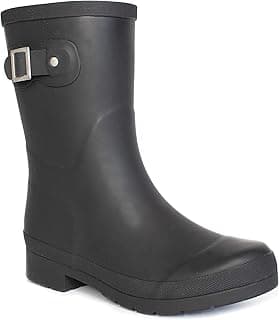
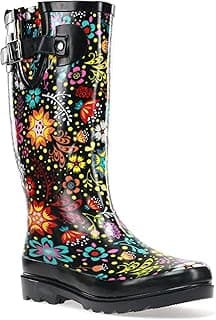
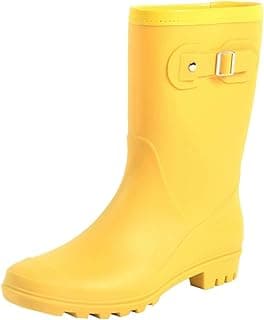
Classic tall boots: The iconic Wellington silhouette—knee-high rubber protection. Maximum coverage for serious storms, standing water, and puddle-heavy environments. Less practical for daily commutes or office appropriateness. Best for women in rural areas, dog walkers, gardeners, or anyone regularly facing serious water exposure.
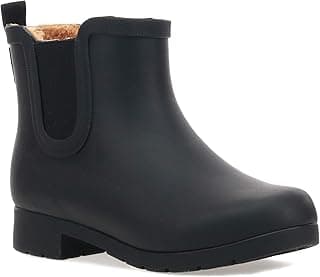
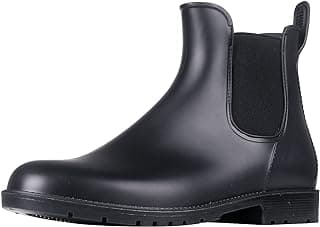
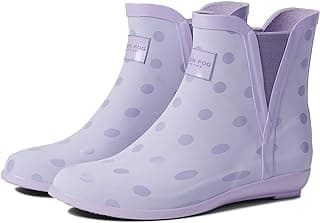
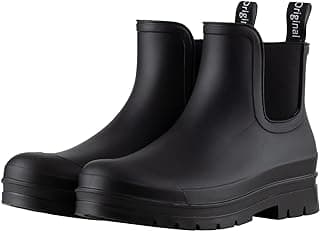
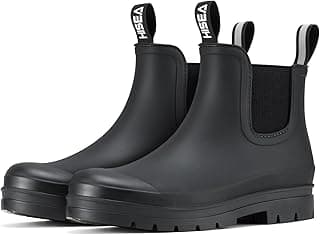
Ankle rain boots: Chelsea and similar styles in waterproof materials. Easier to walk in than tall versions. Transition into professional settings more gracefully. The practical sweet spot for most urban and suburban women. Enough protection for typical storms without the bulk of full-height options.
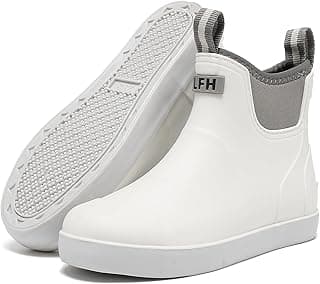
Waterproof sneakers: Athletic or casual silhouettes with sealed constructions. Many women don't realize these exist—or assume "waterproof sneaker" means compromised aesthetics. Modern versions from quality brands look indistinguishable from regular sneakers while keeping feet genuinely dry.
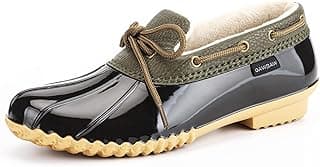
Duck boots: Rubber bottoms with leather or fabric uppers. Originally utilitarian, now fashionable. Handle rain and light snow effectively. Distinctive aesthetic that some women love and others find too casual.
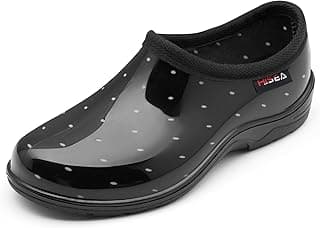
Waterproof flats and loafers: Professional-appropriate options that don't announce "rain gear." Perfect for commuters who need to look polished upon arrival. Less common but increasingly available from quality brands.
Material Matters
Waterproofing happens through different approaches. Each carries tradeoffs affecting comfort, durability, and style.
Natural rubber: The traditional choice. Genuinely waterproof, flexible, durable. Heavier than alternatives. Can feel sweaty without proper lining. Quality varies dramatically—cheap rubber cracks and stiffens quickly.
PVC (polyvinyl chloride): Lightweight, inexpensive alternative to rubber. Less flexible and breathable. Works for occasional wear but shows age faster. Budget-friendly entry point with corresponding limitations.
Neoprene: Wetsuit material providing waterproofing with insulation. Excellent for cold-weather rain. More expensive than basic options. Common in hybrid styles combining rubber and neoprene elements.
Waterproof leather: Treated natural leather resisting water penetration. Looks more sophisticated than rubber options. Requires maintenance to maintain protection. Eventually needs retreating as waterproofing diminishes.
Gore-Tex and membrane technologies: Breathable barriers allowing moisture out while blocking water entry. Common in hiking-derived styles and premium sneakers. Addresses the sweaty-foot problem rubber creates. Higher price points reflect the technology investment.
For most gifting scenarios, quality rubber or membrane-based options deliver best value. They work reliably without demanding ongoing maintenance from the recipient.
Matching Styles to Recipients
Different women need different rain solutions. The best rain boots for women vary based on lifestyle, aesthetic preferences, and practical requirements.
For the urban commuter: She walks to transit, navigates sidewalks, enters offices. Ankle boots or waterproof flats work best—protective without requiring shoe changes at destination. Dark neutrals integrate into professional wardrobes. Quick-dry linings handle the transition to indoor heating. Consider pairing with quality walking options for dry days.
For the suburban mom: School drop-offs, soccer games, playground trips—her life happens partially outdoors regardless of weather. Mid-height or tall boots handle grass, mud, and standing water at activity sites. Slip-on styles speed transitions between car and elements. Easy cleaning matters when boots meet mud regularly.
For the dog walker: Daily exposure, early mornings, evening darkness—she faces weather others avoid. Tall boots protect against wet grass and trail puddles. Traction on slippery surfaces becomes critical. Reflective elements add safety for low-light walks. Durability matters more than fashion given frequency of use.
For the style-conscious professional: She won't wear anything that compromises her aesthetic. Sleek Chelsea boots in matte finishes work. Waterproof leather options blur the line between fashion and function. Heritage brands with fashion credibility satisfy discriminating taste.
For the outdoor enthusiast: She hikes, gardens, attends festivals. Versatile boots handling multiple terrains serve better than single-purpose options. Hiking-capable footwear sometimes overlaps well with rain boot requirements.
Sizing Intelligence
Rain boots size differently than regular shoes. Understanding the quirks prevents gift disappointments.
Most rain boots run larger. The waterproof construction creates stiffer materials that don't mold to feet the way leather does. Manufacturers often recommend sizing down—her usual size 8 might need a 7 in certain brands.
Whole sizes only is common. Many rain boot brands skip half sizes entirely. This simplifies inventory but complicates fitting. When between sizes, larger typically works better—especially since thick socks often accompany rain boot wear.
Calf width matters for taller boots. Unlike regular footwear, tall rain boots must accommodate leg circumference. Some brands offer extended calf options; others assume one-size-fits-all calves that absolutely don't. If she's mentioned boots not zipping or feeling too tight, seek adjustable or wide-calf specific options.
Trying on with intended socks helps. Rain boots worn with thin socks fit differently than those worn with thick wool. Consider how she'll actually wear them when selecting size.
Wrong sizing derails even perfect style choices. Rain boot sizing quirks require extra attention for gift-buying success.
Quality Markers Worth Noticing
Beyond waterproofing basics, certain details separate boots worth owning from those headed for donation bins.
Reinforced heel and toe: Impact areas show wear first. Extra material thickness here extends boot lifespan significantly. Examine construction at these stress points.
Removable insoles: Linings get wet sometimes—splashes over the top, puddles deeper than boot height. Removable insoles dry faster than fixed ones, preventing the musty smell that ruins boots.
Traction patterns: Smooth soles slip on wet surfaces—counterproductive for rain gear. Aggressive lugs provide grip on slick sidewalks, wet grass, and muddy trails. Examine the outsole before purchasing.
Lining quality: Cheap boots feel plastic inside. Quality options include moisture-wicking fabrics, cushioned footbeds, or neoprene insulation. Interior comfort determines whether boots get worn regularly or reluctantly.
Secure closures: Boots must stay on while walking through water. Goring, buckles, or other adjustable elements create better fit than purely slip-on designs. Nothing ruins a rain boot faster than losing it in deep mud.
Seasonal Timing for Gifting
Rain boot gifts land differently depending on when you give them. Strategic timing amplifies appreciation.
Autumn transitions: Summer sandals become insufficient as rain seasons approach. Gifting as weather shifts means immediate usability. She'll wear them within days rather than storing them for months.
Holiday season: Christmas gifts during winter rainy periods serve immediately. She'll appreciate having proper footwear precisely when storms intensify.
Spring surprises: April showers provide perfect context. Spring birthdays align naturally with rain gear relevance. The gift feels seasonal rather than random.
Before travel: Trips to rainy destinations—Seattle, London, Ireland—create natural gifting moments. She'll debut the boots on adventures and associate them with those memories.
Avoid mid-summer gifting unless she's planning relevant travel. Even practical gifts work better with contextual timing.
Price Reality
Rain footwear spans extreme price ranges. Understanding value at different tiers guides appropriate investment.
Under $50: Basic protection, limited durability, minimal comfort features. Functional for occasional wear. Don't expect multiple seasons of heavy use. Acceptable for someone testing whether she'll actually wear rain boots.
$50-100: Better materials, improved comfort, reasonable longevity. The practical gifting sweet spot. Brands at this level balance quality against accessibility. Gifts for friends and casual relationships fit well here.
$100-200: Premium construction, fashion-forward designs, multi-season durability. Heritage brands like Hunter operate in this range. Worth it for women who'll wear them regularly and appreciate quality differences.
$200+: Designer collaborations, luxury materials, statement pieces. Fashion credentials beyond pure function. Reserved for recipients who value brand positioning alongside performance. Significant gift territory for major occasions.
Calculate cost-per-wear rather than absolute price. $150 boots worn 100 times across five years cost $1.50 per use. $30 boots replaced annually cost more while performing worse.
Styling Considerations
Rain boots exist within larger wardrobes. Helping them integrate matters for whether they get worn.
Classic neutrals—black, navy, olive—pair with everything and age gracefully. Bold colors and patterns make statements but limit outfit options. When uncertain about her preferences, neutrals carry less risk.
Matte finishes read more sophisticated than high-gloss. Shiny rubber boots look casual; matte versions transition to professional settings more easily. Consider where she'll wear them most.
Hardware color coordinates with accessories. Gold buckles clash with silver jewelry preferences. Nickel hardware suits cooler-toned wardrobes. These details matter to style-conscious recipients even if they seem minor.
Height proportions affect outfit pairing. Ankle boots work under pants or with dresses. Tall boots need consideration of skirt lengths and pant styles. Her typical wardrobe should inform boot height selection.
Complementary Gift Ideas
The best rain shoes for women anchor weather-themed gifts while combining naturally with related items.
Quality boot socks add warmth and comfort. Moisture-wicking options prevent the swampiness cheap socks create inside rubber boots.
Compact umbrellas complete the rain-preparedness kit. Coordinating colors create intentional gift packages.
Waterproof bags protect belongings when weather turns. Practical accessories for women who commute through unpredictable conditions.
For significant occasions, complete the rainy-day ensemble: boots, jacket, umbrella, and bag as a themed collection. The comprehensiveness demonstrates thoughtful planning.
Care and Longevity
Include care guidance with your gift. Rubber boots last longer with proper treatment.
Rinse mud after each wear—dried mud degrades rubber over time. Store away from direct sunlight, which causes cracking and fading. Apply rubber protectant periodically to maintain flexibility. Stuff with newspaper to absorb moisture and maintain shape.
Some boots develop white "bloom"—a waxy residue appearing on rubber surfaces. This is cosmetic, not functional damage. Wiping with silicone-based products removes it easily.
Proper storage matters. Folded boots crease permanently. Tall boots benefit from boot shapers or storage standing upright. Caring for the gift extends the appreciation.
Durable gifts that last for years keep reminding her you cared enough to choose quality. Rain boots done right become reliable favorites.
The Practical Love Message
Rain boots lack the romance of jewelry or the excitement of electronics. They're practical in ways that might feel mundane. But practical matters.
Every storm she walks through with dry feet, she'll notice the difference. Every puddle she steps around confidently rather than avoiding desperately reminds her someone thought about her daily experience. Every rainy day that doesn't ruin her shoes or dampen her mood connects back to this gift.
That's what thoughtful gifting actually accomplishes. Not momentary excitement at unwrapping, but sustained appreciation across months and years of use. The best rain boots for women deliver exactly this—reliable value every time clouds gather.
Weather happens regardless of preparation. But facing it feels different when someone you care about equipped you properly. That preparation is love made functional—and she'll feel it every time the forecast turns gray.
Gifts are for making an impression, not just for the sake of it.
GiftsPick — Meticulous, Kind, Objective.