

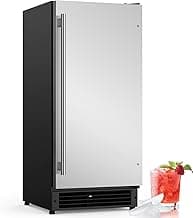
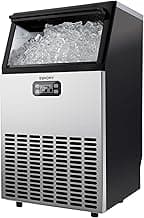
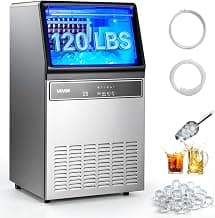
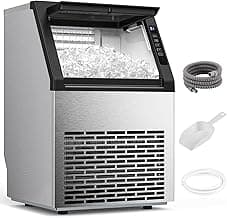
The Engineering Behind the Best Rated Freestanding Ice Makers
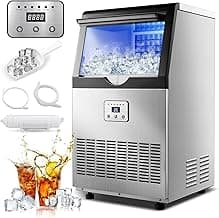
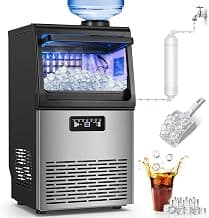
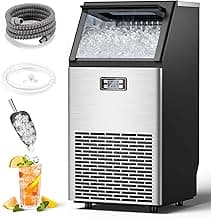
Unlike portable countertop units, freestanding ice makers are designed for high-capacity output and long-term durability. These machines typically utilize a heavy-duty compressor and a dedicated drainage system—either gravity-based or via a pump—to handle the constant melting and reformation of ice. This structural robustness is why they are often considered when one asks what is a good executive gift for a colleague or partner who enjoys hosting large gatherings.
The primary technical differentiator in high-end models is the method of freezing. The most sought-after units use "directional freezing" or a "vertical evaporator" system. By flowing water over a chilled plate, the machine freezes layers of water slowly, allowing air bubbles and impurities to escape. This results in clear ice, which is chemically purer and melts significantly slower than the opaque "bullet" ice found in budget models. For someone looking to build a professional-grade setup, identifying the best clear ice maker for home bar is the first step in elevating their cocktail game.
Gifting a premium ice maker is an investment in the recipient's social lifestyle, transforming a standard kitchen into a professional-grade hosting environment through thermal consistency.
Evaluating User Needs: From Mixologists to Large Families
When selecting a freestanding unit as a gift, one must consider the physical environment and the recipient's specific needs. A machine that is perfect for a suburban basement bar may be entirely unsuitable for a luxury high-rise apartment due to noise constraints and drainage requirements. Expert analysis requires segmenting these needs to avoid "one-size-fits-all" recommendations that lead to consumer regret.
For instance, an enthusiast of craft spirits will prioritize ice clarity and shape above all else. In this context, the best bar ice maker is one that produces 1-inch cubes with zero cloudiness. Conversely, a large family or an office setting might prioritize "nugget" ice—the soft, chewable ice popularized by certain fast-food chains. In these scenarios, the best countertop nugget ice maker technologies are often adapted into larger freestanding formats to provide 50+ pounds of ice per day.
| Ice Category | Production Mechanism | Primary Benefit | Gifting Suitability |
|---|---|---|---|
| Clear Gourmet Cube | Vertical Spray Evaporator | Slowest melt rate; high purity | Executive/Luxury Housewarming |
| Nugget/Sonic Ice | Auger-style Compression | Chewable; retains flavor | Family/Recreational Use |
| Standard Crescent | Inverted Mold Assembly | Highest volume; simple tech | Utility/Breakroom Replacement |
The "Buy It For Life" Philosophy: Repairability and Hidden Costs
A critical failing in the modern appliance market is the trend toward "disposable" electronics. Many budget-tier ice makers use sealed systems that cannot be repaired once a single component fails. From a BIFL (Buy It For Life) perspective, we must steer consumers toward machines with modular designs. This means looking for units where the water valve, the control board, and the condenser fan are easily accessible and replaceable by a technician.
Prospective buyers must also account for the hidden costs of ownership. A freestanding ice maker is not a "set it and forget it" appliance. It requires a dedicated water line and, ideally, an inline water filter to prevent scale buildup on the evaporator. Without regular descaling—typically every six months—even the best commercial ice makers will suffer from diminished performance and increased energy consumption. Educating the gift recipient on these maintenance requirements is a hallmark of a thoughtful, expert gift-giver who wants the product to last a decade, not just a season.
Integration and Aesthetics: Making the Gift Fit
While the internal mechanics are paramount, the external finish determines how well the gift integrates into the recipient's home. Stainless steel remains the industry standard for durability and ease of cleaning, but modern "black stainless" or panel-ready options allow the machine to disappear into custom cabinetry. When considering what is a nice client gift for a high-value relationship, a panel-ready unit that allows them to match their existing kitchen decor offers a level of customization that is deeply appreciated.
Furthermore, one must verify the ventilation requirements. Freestanding units generate significant heat as they move thermal energy out of the water. If the recipient intends to tuck the unit into a tight space, it must be "front-breathing," meaning the intake and exhaust vents are located on the front kickplate. Placing a rear-venting unit in a closet or under a counter without proper airflow will lead to premature compressor failure—a technical detail often missed by amateur reviewers.
The true value of an appliance is found in its silence; a well-engineered ice maker provides a constant supply of quality ice without disrupting the acoustic harmony of the home.
Frequently Asked Questions about Freestanding Ice Makers
Do freestanding ice makers keep the ice frozen?
No, most freestanding residential ice makers are not freezers; they are insulated bins. The machine produces ice, and as the ice sits in the bin, it slowly melts. This meltwater is drained away, and the machine triggers a new cycle to replenish the supply. This ensures the ice is always fresh and prevents the cubes from clumping together into a solid mass. Only specific, high-end "refrigerated bin" models keep ice frozen indefinitely, but these are rarer and more expensive to operate.
Is a gravity drain or a pump better for a freestanding unit?
A gravity drain is technically superior because it has no moving parts and cannot fail, but it requires the drainpipe to be lower than the machine's outlet. If your installation site does not have a floor drain nearby, you must choose a model with a built-in condensate pump to push the water up into a sink or standpipe. Always check the drainage situation of the recipient's home before purchasing.
How much noise do these machines actually make?
Expect a decibel range between 45dB and 55dB during active production. The loudest moments occur during the "harvest" cycle, when the ice drops into the plastic bin. Higher-end models use damped bins and acoustic insulation to minimize this thud. For quiet environments, look for units with brushless DC fans and vibration-isolated compressors.
Ultimately, selecting from the best rated freestanding ice makers requires a balance of technical scrutiny and lifestyle empathy. By focusing on machines that prioritize ice quality, modular repairability, and proper thermal management, you ensure that your gift provides lasting value. Whether it is for a dedicated entertainer or a family that loves outdoor activities, a high-quality ice maker is a functional luxury that continues to give back with every chilled glass.