

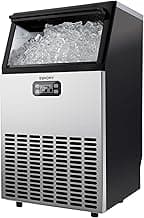
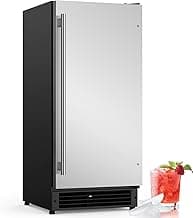
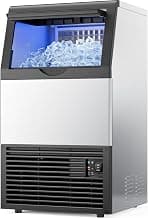
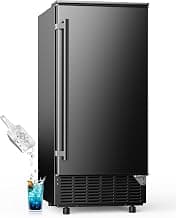
The Mechanical Engineering of Superior Ice Production
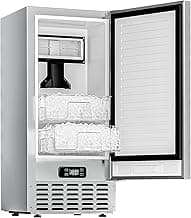
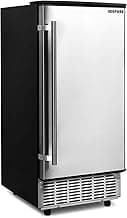
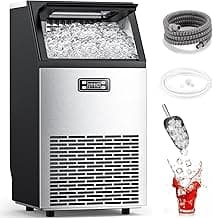
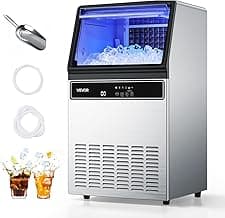
The primary distinction between a standard freezer and a best rated undercounter ice maker lies in the freezing process itself. Standard freezers utilize "still air" cooling, which traps gases and minerals within the ice, resulting in cloudy, fast-melting cubes. In contrast, premium undercounter units often utilize a "clear ice" process where water is continuously circulated over a chilled evaporator plate. This ensures that only the pure water molecules freeze, while air and impurities are washed away, producing ice with maximum thermal mass and minimal dilution potential. This makes it an ideal best gift ideas for him if the recipient is a spirits enthusiast who values the chemistry of a perfectly chilled drink.
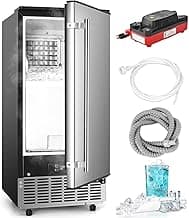
However, the complexity of these machines introduces specific engineering trade-offs. A unit that produces clear ice requires a robust compressor and a high-quality condenser that can dissipate heat effectively within a confined under-cabinet space. Buyers must distinguish between "self-contained" units and those requiring a "gravity drain." If the installation site does not have a floor drain directly below the unit, a drain pump is mandatory. This technical detail is a frequent point of failure in lower-tier models; only a best rated undercounter ice maker with a high-torque internal pump can reliably move wastewater to a nearby sink or standpipe.
User Empathy: Matching the Machine to the Recipient
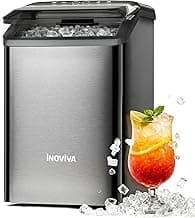
When selecting a high-end appliance, one must consider the physical and environmental reality of the recipient. For elderly users or those with limited hand mobility, the "nugget ice" or "sonic ice" variety is often superior to hard, clear cubes. These "chewable" ice types are easier to scoop and require less force to break apart if the unit has been idle. Conversely, a best cocktail ice maker producing large, slow-melting cubes is the correct choice for a dedicated home mixologist. This level of consideration is what defines what is a nice client gift in the luxury real estate or executive corporate sectors.
Furthermore, noise pollution is a critical factor for small apartment dwellers or open-concept homes. A machine that produces 50 pounds of ice per day will inevitably generate decibel levels that can disrupt quiet environments. Expert testing indicates that units with variable-speed compressors and thicker cabinet insulation are the only ones suitable for indoor residential use. If the recipient lives in a compact space, a best bar ice maker with a silent mode or a low-decibel rating is essential to ensure the gift does not become an intrusive nuisance.
| Ice Type | Production Mechanism | Ideal User Persona | Maintenance Requirement |
|---|---|---|---|
| Clear Cube | Fractional Freezing / Flow-over | Cocktail Aficionados / Luxury Hosts | High (Monthly Descaling) |
| Nugget / Sonic | Auger Compaction | Families / Elderly / Healthcare Needs | Medium (Sensor Cleaning) |
| Bullet Ice | Chilled Pins in Water Bath | Budget-Conscious / High Volume | Low (Standard Cleaning) |
Buy It For Life (BIFL) Philosophy and Hidden Costs
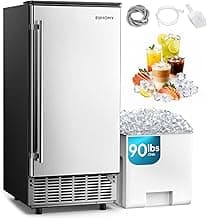
A best rated undercounter ice maker is a significant investment, often costing between $1,500 and $5,000 for professional-grade models. However, the purchase price is only the first layer of ownership. Professional repair communities, such as those on Reddit, frequently highlight that the lifespan of these units is dictated by the quality of the water entering the machine. Hard water leads to scale buildup on the evaporator, which eventually forces the compressor to work harder, leading to premature mechanical failure. To ensure a "Buy It For Life" experience, any ice maker gift should be accompanied by a high-quality inline water filtration system.
Another hidden cost is energy consumption. Dedicated ice makers are notoriously inefficient because they must keep a storage bin cold while simultaneously running a heat-producing refrigeration cycle. When evaluating what is a good executive gift, consider the long-term operational costs. Higher-rated units feature better thermal breaks and R-value insulation in the bin, significantly reducing the frequency of the compressor cycling on. This not only saves electricity but also extends the mechanical life of the motor.
The Maintenance Reality: A Warning for Givers
Before gifting a best built-in ice maker, the giver must communicate that these are not "set and forget" appliances. Unlike a refrigerator, which might run for a decade with nothing more than a dust-covered coil, an ice maker is a wet environment prone to mold and mineral deposits. A best rated undercounter ice maker will typically feature an automated "Clean Cycle" indicator. If the recipient is not someone who enjoys basic appliance upkeep, a more traditional best clear ice maker (portable version) might be a less burdensome alternative.
For high-traffic environments, such as a professional office or a shared clubhouse, the standard residential warranty may be voided. In these cases, it is prudent to look into best commercial ice makers that are rated for continuous operation. These machines feature heavy-duty stainless steel components and accessible service ports, allowing for easier repair by HVAC technicians.
Frequently Asked Questions
Is an undercounter ice maker worth the high price compared to a countertop model?
Yes, because undercounter units are designed for permanent installation, higher daily production capacities, and superior insulation that prevents ice from melting as quickly as it does in portable units. While countertop models are essentially "coolers" that cycle melted water, undercounter machines are true refrigerators that maintain the ice in a solid state for longer periods.
Do I need a plumber to install an undercounter ice maker?
Yes, a professional installation is highly recommended because most units require a dedicated cold water line, a shut-off valve, and a specific drainage configuration. Improper drainage is the leading cause of water damage in kitchens featuring these appliances, especially if a gravity drain is used where a pump was required.
How often should the ice maker be cleaned?
Strictly speaking, a best rated undercounter ice maker should be descaled and sanitized every six months, though areas with hard water may require a three-month interval. Failure to clean the evaporator plate can result in the ice sticking, which causes the machine to "freeze up" and potentially burn out the drive motor or compressor.
In conclusion, when searching for the best rated undercounter ice maker as a gift, focus on the intersection of mechanical reliability and user-specific needs. By prioritizing modular designs that allow for easy part replacement and selecting the correct ice type for the recipient's lifestyle, you provide a gift that transforms the simple act of serving a drink into a refined, professional experience.