
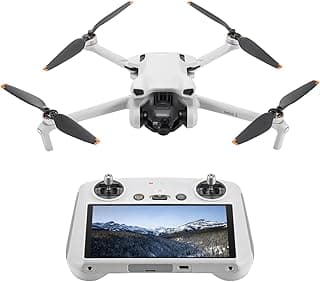
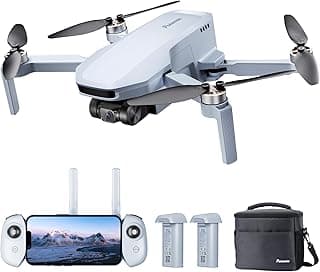
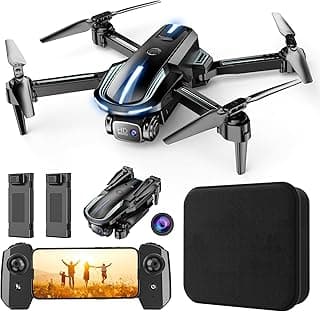
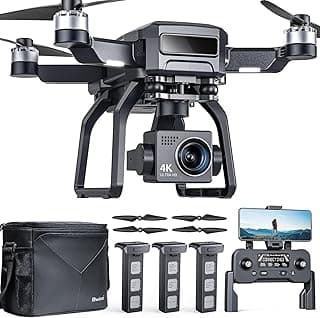
The Physics of High-Quality Aerial Documentation
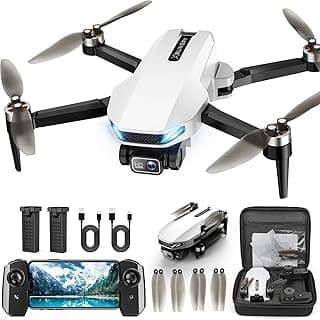
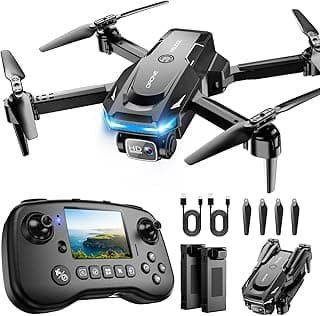
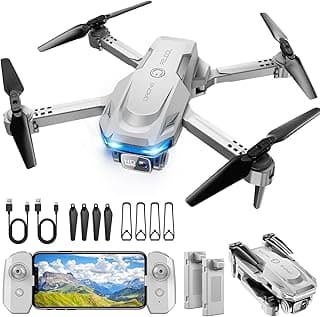
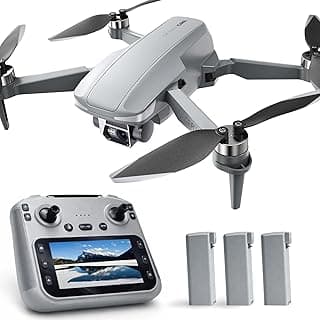
The "best" recording drones are defined by their sensor size and bitrate. While many manufacturers highlight "4K" resolution as a marketing buzzword, a 4K image produced by a small 1/2.3-inch sensor will frequently exhibit significant digital noise in low-light conditions compared to a 1-inch CMOS sensor. For a gift that truly empowers a creator, prioritizing a larger sensor ensures that the footage captured remains sharp during the "golden hour"—the period shortly after sunrise or before sunset when lighting is most dramatic but technically challenging for inferior hardware.
Furthermore, the bitrate—measured in Mbps—dictates how much data is preserved during the recording process. A high-resolution image with a low bitrate will suffer from compression artifacts, particularly when filming complex textures like forest canopies or moving water. When considering what is someone that loves technology likely to appreciate, it is often the nuance of high-fidelity data that allows for professional-grade post-production and color grading.
Gifting tech is about more than specifications; it is about upgrading the recipient's window to the digital world, ensuring every frame is a testament to quality.
Understanding Transmission and Range Skepticism
A common mistake in the gifting process is overvaluing theoretical flight range. While a drone might be advertised with a 10km range, these figures are achieved in vacuum-like conditions with no radio frequency interference. In urban or suburban environments, the "best recording drones" are those utilizing proprietary frequency-hopping transmission systems. These systems maintain a robust 1080p live feed to the controller, allowing the pilot to frame shots accurately without the lag or "screen tearing" common in budget-friendly WiFi-based models.
Comparing Technical Variables for Gifting Decisions
To help you navigate the complexity of these devices, the following table compares key variables across different tiers of recording hardware. This structured look avoids the hype of marketing and focuses on the physical realities of the equipment.
| Feature Category | Entry-Level Recording | Mid-Range Prosumer | High-End Cinematography |
|---|---|---|---|
| Sensor Size | 1/2.3" CMOS | 1/1.3" or 1" CMOS | Micro Four Thirds / Full Frame |
| Gimbal Type | 2-Axis or Electronic | 3-Axis Mechanical | 3-Axis with Pro-grade Dampers |
| Obstacle Sensing | Downward Only | Tri-directional (Front/Back/Down) | Omnidirectional (360-degree) |
| Video Transmission | Standard WiFi | Enhanced Digital Link | Dual-Band Encrypted Link |
The Buy It For Life (BIFL) Perspective: Repairability and Longevity
One of the most overlooked aspects of gifting high-end tech is the hidden cost of ownership. Consumer drones are inherently high-risk assets; they are subject to gravity and environmental hazards. A truly thoughtful gift is one that can be repaired. When researching how to come up with good gift ideas, consider the ecosystem surrounding the product. Does the manufacturer sell individual replacement arms? Are third-party propellers readily available? Machines that are entirely sealed with adhesive are essentially "disposable" once a single motor fails or a plastic housing cracks.
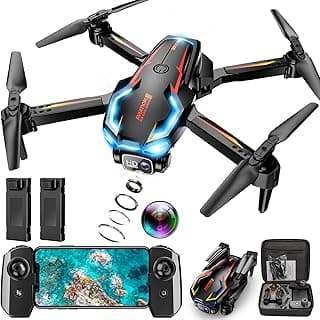
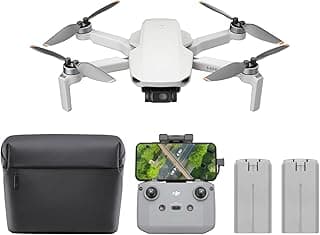
The batteries themselves are a major point of degradation. Modern drones use Lithium-Polymer (LiPo) chemistry, which offers high energy density but suffers from capacity loss after approximately 200–300 cycles. Providing a best 4k drone as a gift should ideally be accompanied by a "Fly More" style bundle, which includes multiple batteries and a multi-port charging hub. This not only extends the flight session but allows the user to cycle through batteries, reducing the thermal stress on any single unit and prolonging the overall lifespan of the kit.
Multi-dimensional User Empathy: Who Are You Buying For?
The "best recording drones" for a frequent traveler are vastly different from those intended for a local hobbyist.
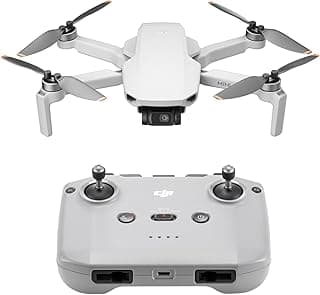
- The Lightweight Traveler: Needs a drone under 249 grams to bypass most international registration requirements. These sub-250g units have become remarkably capable, often featuring 4K sensors, but they are more susceptible to high winds.
- The Aspiring Filmmaker: Needs the best aerial photography drone with adjustable aperture and 10-bit color profiles. This allows for "log" recording, which preserves maximum dynamic range for professional editing.
- The Enthusiastic Teen: For younger users, robustness and safety are paramount. When looking for the best gift ideas for teens, prioritize models with 360-degree prop guards and intuitive "Return to Home" (RTH) features to prevent the heartbreak of a lost device.
Direct Answers to Common Gifting Questions (FAQ)
Is a drone a good gift for someone who has never flown one?
Yes, provided the drone includes "optical flow" sensors and GPS-assisted hovering. Without these features, the drone will drift with the wind, requiring constant manual correction that often leads to crashes for beginners. The best recording drones for novices are those that "lock" into a position in 3D space when the pilot lets go of the controls.
Do I need to buy special insurance for a gifted drone?
Strictly speaking, it is highly recommended. Many leading brands offer proprietary "care refresh" plans that cover accidental damage, including water damage and "flyaways." Given the precision engineering of these devices, a single repair out-of-pocket can often cost 50% of the original purchase price.
What is the most important accessory for a recording drone?
A high-speed UHS-I U3 microSD card is the most critical secondary purchase. Many users attempt to use standard cards, resulting in "buffer underrun" errors where the recording stops abruptly because the card cannot handle the massive data stream of 4K video. Without a compatible card, even the most expensive drone becomes non-functional for recording purposes.
How long do the motors actually last?
Brushless motors, found in all high-quality recording drones, are theoretically capable of thousands of hours of flight. However, they are vulnerable to fine sand and magnetic dust. If the recipient intends to fly at the beach or in dusty environments, gifting a landing mat is a practical way to prevent debris from being sucked into the motor bell during takeoff and landing.
In conclusion, finding the best recording drones requires a balance of optical hardware, transmission reliability, and an understanding of the recipient's specific environment. By looking beyond the marketing claims and focusing on sensor physics and modular repairability, you can provide a gift that serves as a powerful tool for creative expression for years to come.