





Psychological Profiling and the Best Red Wine to Gift
The selection process begins with categorizing the recipient. Is the individual a novice, an enthusiast, or a seasoned collector? A novice may appreciate a "New World" wine from California or Australia, which typically features higher fruit concentration and softer tannins. An enthusiast might find more value in "Old World" selections from France or Italy, where terroir and acidity play a more prominent role. For a collector, the provenance and vintage of the bottle are the primary drivers of value.
| Recipient Profile | Recommended Varietal | Logic/Rationale |
|---|---|---|
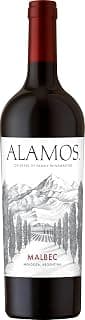
| The Casual Enthusiast | Merlot or Malbec | Accessible fruit profiles and smooth tannins minimize the risk of palate fatigue. |
| The Traditionalist | Bordeaux Blend | Offers historical prestige and a balanced structure that commands respect in formal settings. |
| The Adventurous Palate | Tempranillo or Nebbiolo | Distinctive regional characteristics provide a conversation piece and a unique sensory experience. |
| The Sophisticated Host | Pinot Noir (Burgundy) | Pairs exceptionally well with diverse cuisines, making it a functional asset for dinner parties. |
While the wine itself is the centerpiece, the context of the gift often includes complementary items. High-quality red wines are frequently paired with gourmet food. For instance, a structured red is a logical addition to the best sausage and cheese gift baskets, as the proteins and fats in the food help to soften the wine's tannins. For those who enjoy hosting, ensuring they have the necessary infrastructure, such as a best bar ice maker for maintaining appropriate serving temperatures of surrounding spirits, adds a layer of practical consideration to the gift.
Analyzing Regional Strengths for the Best Red Wine to Gift
Geography plays a critical role in the objective quality of wine. Different regions excel at producing specific varietals due to climate, soil composition, and local regulations. When choosing the best red wine to gift, it is helpful to contrast the characteristics of major wine-producing regions.
| Region | Key Red Varietals | Strategic Gifting Value |
|---|---|---|
| Napa Valley, USA | Cabernet Sauvignon | High brand recognition and "cult" status; ideal for high-stakes corporate gifting. |
| Tuscany, Italy | Sangiovese (Chianti, Brunello) | Classic, food-friendly, and culturally rich; perfect for family gatherings or close friends. |
| Rioja, Spain | Tempranillo | Excellent value-to-quality ratio; often pre-aged in oak, providing a complex profile at a lower cost. |
| Rhône Valley, France | Grenache, Syrah, Mourvèdre | Offers "earthy" and "savory" notes that appeal to those who dislike overly sweet or fruity wines. |
A great wine is not defined by its price, but by the precision with which it meets the expectations of the moment.
Emotional Value versus Material Value in Wine Gifting
A critical perspective often discussed in communities like Reddit focuses on the tension between the price tag of a bottle and the emotional resonance it carries. The material value of a wine is easily calculated by its market price and rarity. However, the emotional value is derived from the "effort of discovery." A gift-giver who locates a bottle from a specific year that holds meaning to the recipient (such as a birth year or wedding year) creates a much deeper bond than one who simply buys the most expensive bottle available in best gift baskets on amazon.
The Reddit community r/wine often emphasizes that gifting a wine meant for aging is a profound statement of "future intent." It suggests that the giver expects the relationship to last for the duration of the wine's maturation. This psychological subtext transforms the material object into a vessel for long-term emotional investment. Conversely, gifting a "ready-to-drink" bottle suggests an immediate desire for shared celebration and present-moment enjoyment. Balancing these two values is essential for a successful gifting outcome.
Assessing the Long-term Impact on Relationships
The choice of wine can dictate the future trajectory of a relationship. A gift that is too expensive may create a sense of "gift debt" or social imbalance, making the recipient feel uncomfortable. On the other hand, a gift that is too generic may signal a lack of interest. The best red wine to gift is one that sits at the "Goldilocks" point: high enough quality to be respected, but tailored enough to be personal. This precision demonstrates that the giver has spent time analyzing the recipient's personality, which is the highest form of social respect.
Technical Selection Criteria for Optimal Gifting
To ensure the bottle remains in peak condition, one must consider the technical aspects of the wine's lifecycle. Oxidation and temperature fluctuations are the primary enemies of red wine. When purchasing, ensure the bottle has been stored in a temperature-controlled environment. Furthermore, understand what makes a memorable gift by checking the "fill level" or "ullage" in older vintages; a low fill level can indicate a compromised cork and spoiled wine.
| Technical Variable | Immediate Consumption | Long-term Cellaring |
|---|---|---|
| Tannin Structure | Soft, integrated, "velvety" | Firm, astringent, "grippy" |
| Oak Influence | Subtle, supporting fruit | Pronounced, providing longevity |
| Acidity | Balanced for current palate | High, acting as a preservative |
The best wines are those that tell a story of a place and a time, shared between two people.
Frequently Asked Questions (FAQ)
Is an expensive red wine always a better gift?
No, the price does not always correlate with the recipient's enjoyment or the success of the gift. While price can indicate rarity or production costs, a 50 dollar bottle that perfectly matches a recipient's preference for earthy Italian reds is objectively a better gift than a 200 dollar bottle of Napa Cabernet that they find too overpowering. Technical quality is a baseline, but personal alignment is the ultimate multiplier of value.
Should I always gift a bottle that is ready to drink?
Not necessarily, as the decision depends on the recipient's lifestyle and storage capabilities. If the recipient has a wine cellar or a dedicated cooling unit, a bottle that requires five to ten years of aging can be a sophisticated and thoughtful gesture. However, if they live in a small apartment without temperature control, gifting a wine that requires aging may inadvertently create a burden, as the wine will likely spoil before it reaches its peak.
How do I know if a red wine has gone bad before gifting it?
Direct inspection of the bottle's exterior can provide several clues regarding its internal health. Look for signs of "seepage" around the capsule, which suggests the wine was exposed to excessive heat and expanded past the cork. Additionally, check that the cork is not "pushed out" or "sunken." Finally, hold the bottle to the light to ensure the wine is clear and not cloudy, as cloudiness in a young red wine can indicate bacterial spoilage or unintended secondary fermentation.
What is the best red wine to gift for a housewarming party?
A versatile, medium-bodied red like a Pinot Noir or a Zinfandel is generally the most effective choice. Housewarming parties often involve a variety of appetizers and different palates, so choosing a wine that is not too tannic or too acidic ensures it will be enjoyed by the majority of guests. Furthermore, these varietals are typically ready to be opened and enjoyed immediately, which fits the celebratory atmosphere of a new home.








