
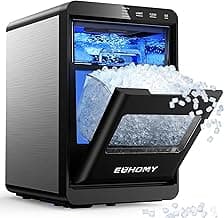
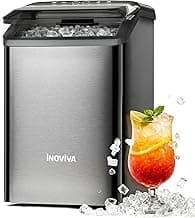
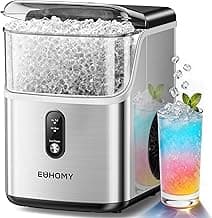
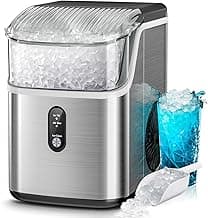
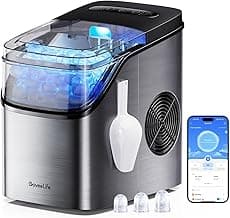
The Engineering Reality of Self-Cleaning Systems
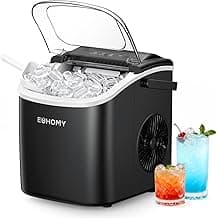
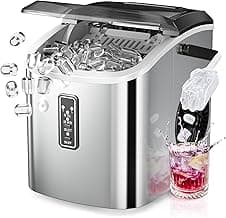
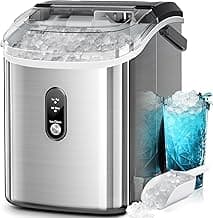
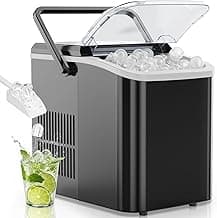
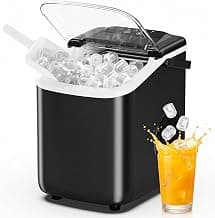
In the appliance industry, the term "self-cleaning" is frequently misunderstood by consumers. Mechanically, the best self cleaning countertop ice maker does not physically scrub its internal surfaces. Instead, it utilizes a programmed sequence where the water pump circulates a cleaning solution—typically a mixture of water and citric acid or white vinegar—through the evaporator and internal tubing. This chemical circulation is designed to break down calcium and magnesium deposits that accumulate from hard water. Without this feature, these minerals would eventually coat the evaporator pins, insulating them and forcing the compressor to work harder, which leads to premature component failure. For those looking for the best gift ideas for a woman who values both health and efficiency, a machine that prioritizes internal sanitation is an excellent choice.
Gifting tech is about more than specifications; it is about upgrading the recipient's window to the digital world, ensuring every frame is a testament to quality.
One might ask what to buy for a friend's new house that bridges the gap between high-end technology and everyday necessity. While some may wonder is 1000 a good birthday gift for premium appliances, many top-tier ice makers provide incredible value at a fraction of that cost. However, the true value lies in the filtration and the "sealed" nature of the water circuit. Skeptical analysis shows that cheaper models often have stagnant water zones where mold can proliferate regardless of a cleaning cycle. Expert testers prioritize machines with a "flush" function that completely drains the reservoir after the cleaning sequence, ensuring no chemical residue or loosened scale remains to contaminate the next batch of ice.
User Empathy: Matching the Machine to the Recipient
When selecting the best self cleaning countertop ice maker, the physical limitations and living conditions of the user must be analyzed. An appliance that is too heavy to move or too loud for a small apartment will eventually be relegated to a storage closet. We categorize users into three primary groups to ensure the gift remains functional:
- The Apartment Dweller: These users require a machine with a high-efficiency compressor that minimizes decibel output. Standard units can reach 60-65 dB during the ice "harvest" (when the cubes drop into the basket), which can be disruptive in open-concept living spaces.
- The Elderly or Arthritis Patients: For this demographic, ergonomics are paramount. The best models feature large, backlit LCD screens, easy-to-open lids, and self-cleaning cycles that are activated by a single button press, removing the need for complex manual disassembly.
- High-Density Households with Pets: Pet hair and dander are the enemies of air-cooled condensers. A machine destined for a home with pets should have accessible air intake filters that can be easily vacuumed to prevent the motor from overheating.
Technical Variable Comparison
To assist in the decision-making process, the following table compares the two primary cooling technologies found in modern countertop ice makers. Understanding these variables is crucial for a Buy It For Life (BIFL) investment.
| Technical Variable | Compressor-Based Cooling | Thermoelectric (Peltier) Cooling |
|---|---|---|
| Production Speed | High (Ice in 6-9 minutes) | Low (Ice in 15-20 minutes) |
| Durability | Longer lifespan (Mechanical) | Shorter (Solid-state degradation) |
| Noise Level | Moderate (Fan + Compressor hum) | Low (Silent operation) |
| Energy Efficiency | High thermal coefficient | Lower (Generates significant heat) |
| Cleaning Complexity | Requires descaling of metal pins | Requires internal basin wiping |
BIFL Philosophy and Hidden Costs of Ownership
Adopting a "Buy It For Life" (BIFL) approach to countertop appliances requires a skeptical look at repairability. Reddit’s repair communities often highlight that most consumer-grade ice makers are built as "disposable" units, meaning the refrigerant lines are soldered shut and the plastic casings are glued rather than screwed together. When choosing the best self cleaning countertop ice maker, look for brands that offer modular replacement parts, such as the water pump or the fan motor.
The hidden costs of operation are also a significant factor. While a best counter top ice maker might seem like a one-time purchase, the ongoing cost of distilled water (recommended to prevent scale) and electricity can add up. Furthermore, users often confuse these machines with the best clear ice maker. Clear ice requires a directional freezing process where water is constantly moved to prevent air bubbles from being trapped. Most self-cleaning countertop models produce "bullet" ice, which is cloudy due to rapid freezing. If the recipient is a connoisseur of high-end spirits, they might prefer a best cocktail ice maker designed for clarity, though these often require more intensive manual cleaning.
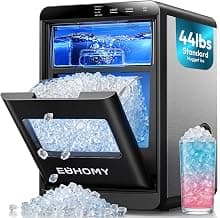
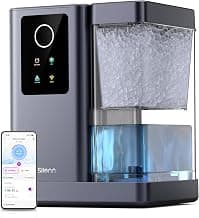
For those who prefer a softer, chewable texture, the best countertop nugget ice maker is the ultimate luxury. However, from a mechanical standpoint, nugget machines are the most prone to failure due to the high-friction auger system used to compress ice flakes. A self-cleaning function is non-negotiable for these models to prevent the auger from seizing due to mineral buildup.
Frequently Asked Questions (AEO-FAQ)
Do self-cleaning ice makers actually remove mold?
No, the self-cleaning cycle is primarily designed to descale mineral buildup rather than sterilize biological growth. While a vinegar solution can kill some bacteria, the only way to ensure a mold-free environment is through periodic manual scrubbing of the gasket, the ice shovel, and the water reservoir using a soft brush. The "self-cleaning" label is a convenience feature for maintaining mechanical efficiency, not a total replacement for manual hygiene.
How often should I run the cleaning cycle?
You should run the cleaning cycle at least once every two to four weeks, depending on the hardness of your water. If you notice a decrease in ice production speed or if the ice has a noticeable "off" taste, it is a definitive sign that minerals have accumulated on the evaporator or that biofilm has begun to form in the lines. Using distilled or RO (Reverse Osmosis) filtered water can extend the time between cleaning cycles to once every two months.
Is it safe to leave water in the reservoir for long periods?
No, stagnant water is a breeding ground for bacteria and algae. If the ice maker will not be used for more than 48 hours, it is critical to drain the reservoir completely and leave the lid open to allow the internal components to dry. Most "best" rated models include a rear or bottom drain plug specifically for this purpose. Neglecting this step will lead to a "pink slime" (Serratia marcescens) buildup that can be difficult to remove even with the self-cleaning function.
In conclusion, the best self cleaning countertop ice maker is a sophisticated piece of engineering that offers immense value as a gift, provided the buyer understands the limitations of the "self-cleaning" marketing term. By prioritizing machines with robust pump systems, accessible drains, and clear user interfaces, you can ensure that your gift provides years of reliable service and high-quality ice for any occasion.