



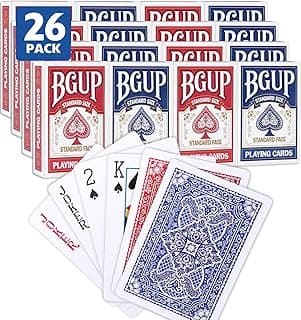
The Psychology of Gifting a Card Game
When you select a game as a gift, you are essentially gifting an experience. Unlike a piece of clothing or a gadget that might be used in isolation, a card game requires a community. It signals to the recipient that you value their social life and want to contribute to their future memories. This makes them exceptional gifts for my best friend, as it provides a new excuse for your friend group to meet up and engage in some healthy rivalry.
"The best gifts are not things, but the moments those things create. A deck of cards is a key that unlocks hours of conversation and laughter."
Psychologically, card games hit a "sweet spot" in gifting. They are often affordable, meaning they don't carry the heavy weight of obligation that an expensive luxury item might, yet they offer high "utility" because they can be played hundreds of times. If you are browsing for best birthday gift ideas, a top-rated card game often stands out because it caters to the recipient's personality—whether they are a strategic thinker, a chaotic jokester, or someone who loves a fast-paced challenge.
Why Card Games Outperform Traditional Board Games as Gifts
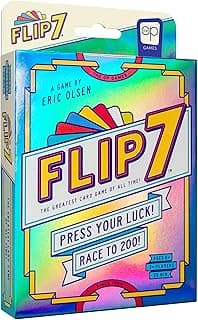
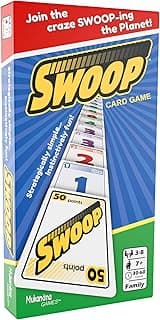
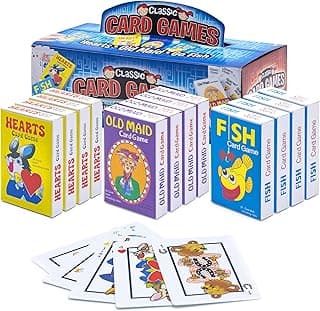
While large board games have their charm, best selling card games often make better gifts for several practical reasons. First is portability. A standard card game can fit into a backpack or even a coat pocket, making it the perfect companion for travel, camping trips, or casual nights at a brewery. Second is the "time to table" factor. Most modern card games have streamlined rules that can be explained in under five minutes, reducing the barrier to entry for new players.
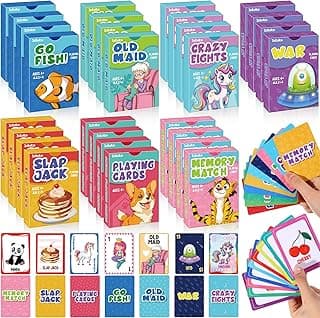
Furthermore, card games are highly inclusive. Because they often rely on social deduction or quick reflexes rather than hours of complex set-up, they can be enjoyed by a wide range of ages and skill levels. This versatility is why they frequently appear on lists of the best friends birthday gift ideas, as they can be broken out immediately during the celebration.
Identifying the Right Game for the Right Person
To choose the perfect deck, you must first analyze the recipient’s "player persona." Not all best selling card games are created equal, and matching the mechanics to the person is key to a successful gift.
The Social Butterfly and the Party Starter
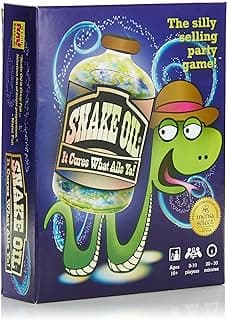
For the person who is always hosting gatherings, look for games that accommodate large groups (6 or more players). These games usually focus on humor, social deduction, or "how well do you know your friends" mechanics. They are designed to break the ice and keep the energy high. If you are considering what is the best surprise for your best friend, introducing a hilariously irreverent card game during their party can be the highlight of the night. You may want to look into the best party card games to find options that prioritize laughter over complex strategy.
The Strategic Mastermind
Some people enjoy the "crunch" of a well-balanced system. For these individuals, the best gift is a game that offers high replayability through deep strategy. These might include deck-building games or resource management titles that have been condensed into a card-only format. These are great best gift ideas for a woman or man who enjoys puzzles and long-term planning.
The Traditionalist
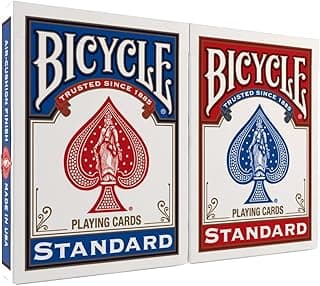
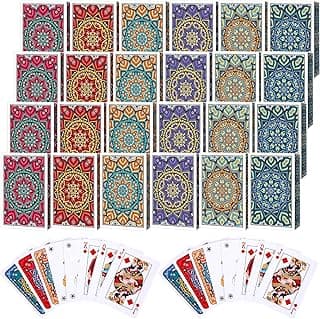
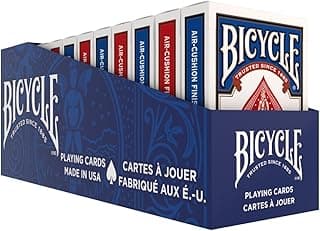
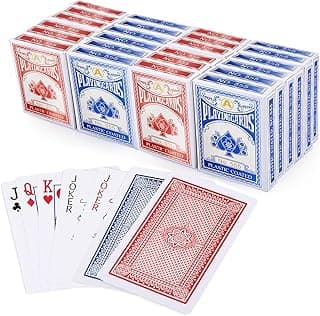
Never underestimate the power of a high-quality, aesthetically pleasing deck of standard playing cards. For someone who loves poker, bridge, or classic rummy, a premium deck with custom artwork or unique materials (like waterproof PVC or gold foil) is a sophisticated choice. Exploring the best playing card games often reveals that the "classics" are best sellers for a reason: they are timeless.
Navigating Complexity and Age Ratings
When gifting a game, the "complexity curve" is vital. If a game is too simple, the recipient might get bored after two rounds. If it is too complex, it might sit on a shelf gathering dust. Most best selling card games on the market today use "emergent complexity," meaning the rules are simple, but the interactions between players create deep, interesting situations.
"A game is a series of interesting choices. The best card games ensure that even with a simple hand, the player feels in control of their destiny."
Always check the age rating and estimated play time. A "20-minute" game is usually a safer gift than a "90-minute" epic, as it fits more easily into a busy modern lifestyle. This makes them ideal best board games for friends who might only have a short window of time to hang out after work or during a lunch break.
The Importance of Physical Quality
Since card games are handled constantly, the physical quality of the product is a major factor in its value as a gift. Look for games that use "linen finish" cards, which are more durable and easier to shuffle. The packaging also matters; a sturdy, well-designed box not only looks better when unwrapped but also ensures the game survives years of being tossed into bags for travel.
Some collectors' editions of best selling card games come in tin boxes or include playmats, which elevates the item from a simple "toy" to a genuine keepsake. When you provide a gift that feels substantial in the hand, it reinforces the "Kind and Meticulous" nature of your gesture.
Conclusion: The Gift of Connection
Choosing from the best selling card games requires a balance of understanding the recipient's personality and the social context in which they live. Whether it is a fast-paced game of reflexes for a younger sibling or a deep, thematic strategy game for a partner, the ultimate goal is to facilitate joy. By moving away from digital entertainment and back toward the tactile, social world of cards, you are providing a gift that will be appreciated every time the "Player 1" says, "Deal me in."
Gifts are for making an impression, not just for the sake of it. GiftsPick - Meticulous, Kind, Objective.