

The Engineering Behind Compact Refrigeration
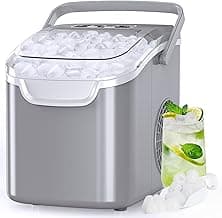
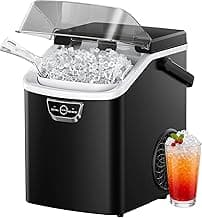
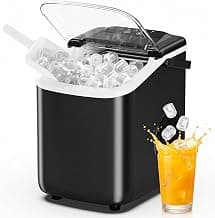
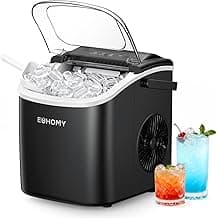
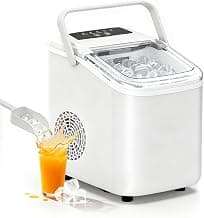
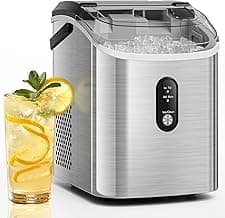
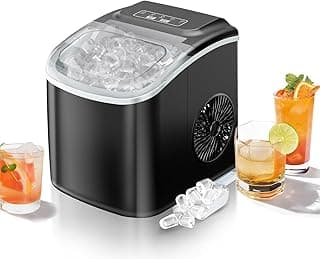
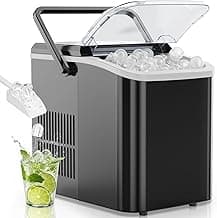
The "small" in the best small countertop ice maker is a relative term that masks a complex thermodynamic process. Unlike a traditional freezer that uses static cooling to freeze water over several hours, these portable units utilize a rapid heat exchange system. Most consumer-grade models employ a compressor-based refrigeration cycle using R600a refrigerant, which is highly efficient for small-scale applications. The water is pumped over a set of nickel-plated evaporator "fingers." As the refrigerant evaporates inside these fingers, it pulls heat from the surrounding water, forming "bullet" ice in as little as six to nine minutes.
Gifting tech is about more than specifications; it is about upgrading the recipient's window to the digital world, ensuring every frame is a testament to quality.
However, commercial neutrality requires us to acknowledge the limitations of these compact systems. These machines are not "ice storage" units; they are "ice production" units. Because the bins are typically insulated but not actively refrigerated, the ice will eventually melt and recycle back into the reservoir. This is a crucial distinction to make when explaining the gift to a recipient. For a truly high-end experience, one might look toward a best clear ice maker, which uses a vertical evaporator to ensure that impurities and air bubbles are pushed out of the water, resulting in crystal-clear, slow-melting cubes.
Multi-dimensional User Empathy: Who Benefits Most?
The value of a compact ice maker shifts depending on the recipient’s living conditions. A mechanical analysis of these units reveals they are particularly suited for three distinct personas:
- The Urban Dweller: In studio apartments where freezer space is a premium, the ability to generate ice on-demand without sacrificing drawer space for trays is invaluable. Here, the decibel rating (typically 45-50 dB) is the most critical technical variable.
- The RV or Boat Owner: These users require low-amperage appliances that can operate on portable power stations or limited shore power. A small unit typically pulls about 1.5 to 2.1 amps, making it an ideal what is a good experiential gift for those who love off-grid adventures.
- The Health-Conscious Senior: For individuals with sensitive teeth or those who need soft ice for hydration, a best-countertop-ice-maker-nugget provides "chewable" ice that is easier on dental work than standard hard cubes.
When selecting a gift for a woman who enjoys hosting, the best gift ideas for a woman often involve items that reduce the "mental load" of party planning. Having a dedicated machine that can produce 26 pounds of ice in 24 hours removes the anxiety of running out during an event.
Technical Comparison of Ice Production Variables
To help you distinguish between high-performance machines and "fast-fashion" appliances, we have structured the following data to compare common variables found in the best small countertop ice maker market.
| Technical Variable | Standard Compact Model | Premium Nugget Model | Clear Ice Specialist |
|---|---|---|---|
| Cycle Time | 6-9 Minutes | Constant Stream (after 15m) | 15-20 Minutes |
| Ice Density | Medium (Hollow Center) | Low (Air-pockets) | High (Solid Mass) |
| Daily Capacity | 26 lbs | 24-30 lbs | 40 lbs |
| Cooling Method | Nickel-plated Fingers | Auger/Extruder | Vertical Spray/Plate |
Buy It For Life (BIFL) and Maintenance Costs
As an expert in mechanical durability, I must warn gift-givers about the "hidden costs" of ownership. The primary enemy of any ice maker is scale buildup. Calcium and magnesium in hard water will eventually coat the sensors and the evaporator, leading to pump failure or "false bin full" readings. A gift is only a gift if it doesn't become a burden. When choosing the best bar ice maker, look for models that feature a dedicated "Self-Clean" cycle.
Furthermore, advise the recipient to avoid using distilled water exclusively, as some units rely on the conductivity of minerals in the water to detect when the ice tray is full. A balanced filtration system is the better technical recommendation for extending the lifespan of the internal solenoid valves and the compressor. Products that cannot be easily descaled or those with proprietary filters that are difficult to source represent a failure in the BIFL philosophy.
Frequently Asked Questions
Is a small countertop ice maker loud?
Yes, most units produce between 45 and 55 decibels of noise, which is comparable to a modern dishwasher or a low-humming refrigerator. The noise primarily comes from the compressor starting up and the fan that dissipates heat from the condenser coils. If the recipient lives in a very small space, look for a model with a brushless DC fan for quieter operation.
Do I need a water line for these machines?
No, the best small countertop ice maker models are designed for portability and require you to manually pour water into a reservoir. This makes them ideal for various locations, though some premium models offer the option for both manual fill and a side-tank attachment for extended production without intervention.
Why is the first batch of ice often small or thin?
The first batch is typically smaller because the machine is still reaching its optimal operating temperature. Thermodynamics dictates that the initial cooling cycles must lower the temperature of the internal components and the water in the reservoir before maximum ice thickness can be achieved. Usually, by the third cycle, the ice reaches its full density.
In conclusion, choosing the best small countertop ice maker as a gift requires balancing the technical needs of the space with the emotional desire to provide a "premium" experience. Whether it's for a home bar or a cramped apartment, a well-engineered ice maker is a testament to the idea that the best gifts are those that solve a physical problem with mechanical elegance.