



Understanding the Psychology Behind the Best Tea Gifts
The choice of tea as a gift can be decoded through behavioral science. Humans associate warm beverages with social warmth and security. According to research in social psychology, holding a warm cup can actually increase feelings of interpersonal trust. Therefore, when you are exploring best gift ideas for a woman or looking for best gift ideas for him, tea serves as a medium to strengthen the psychological bond between the giver and the recipient.
The relationship status dictates the specific type of tea gift. For an extremely close friend, a rare, single-origin Oolong may signify shared history and deep appreciation. For a casual acquaintance or a professional contact, a well-curated set of herbal infusions provides a safe yet thoughtful gesture that avoids overstepping personal boundaries. Understanding these social nuances is critical for any successful gifting strategy.
Gifting is not a transaction of objects, but a communication of values. When we choose tea, we communicate a value for health, patience, and the sensory experience of the present moment.
The Critical Balance: Emotional Value versus Material Value
One of the most significant challenges in gifting is balancing the perceived cost with the emotional impact. A tea gift can range from a few dollars for a standard box to hundreds for aged Pu-erh or artisanal teaware. However, the emotional value often outweighs the price tag. The emotional value of tea is found in the "ritual of the steep" – the minutes spent waiting for the leaves to unfurl and the aroma to fill the room.
For those struggling with how to come up with good gift ideas, focusing on the experiential aspect is vital. A tea gift becomes a "living" gift that the recipient interacts with multiple times. Unlike a static decorative object, tea is consumed, making each cup a subtle reminder of the giver's thoughtfulness.
| Variable | Material Value Focus | Emotional Value Focus |
|---|---|---|
| Primary Goal | Impression of wealth/luxury. | Enhancement of the recipient's well-being. |
| Longevity | Finite (the tea is consumed). | Lasting (the memory of the ritual persists). |
| Relationship Impact | Creates a sense of debt/obligation. | Fosters a sense of care and understanding. |
| Customization | Generic high-end branding. | Specific flavor profiles tailored to the individual. |
Technical Variables in Selecting the Best Tea Gifts
To provide an authoritative recommendation, one must examine the technical specifications of the tea itself. Not all teas are created equal, and the processing methods significantly impact the final product. Green teas, for instance, are unoxidized and retain high levels of L-theanine, an amino acid known for promoting "calm alertness." Black teas are fully oxidized, offering a robust flavor profile and higher caffeine content, suitable for those with demanding morning schedules.
Furthermore, the format of the tea matters. Loose-leaf tea is generally regarded as superior in quality because it consists of whole or large pieces of leaves that have more surface area to release complex flavors. Tea bags, while convenient, often contain "dust and fannings," which can result in a more bitter brew due to the rapid release of tannins.
| Tea Format | Pros | Cons |
|---|---|---|
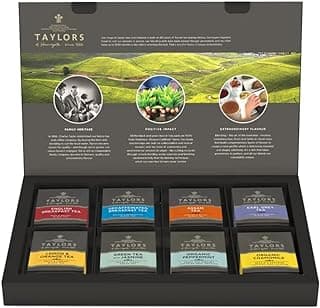
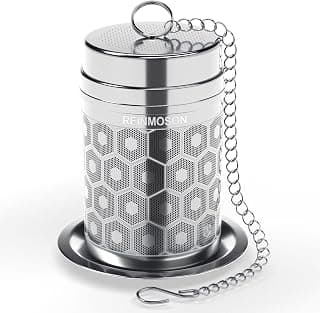
| Loose Leaf | Superior flavor, multiple steepings possible, aesthetic ritual. | Requires accessories (infusers), more preparation time. |
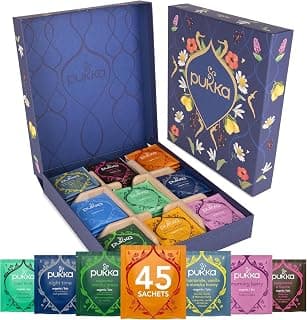
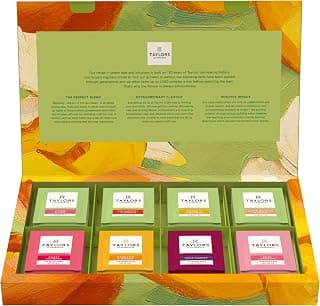
| Artisanal Sachets | Convenience of a bag with higher quality leaves. | Higher cost per cup, often single-use. |
| Tea Cakes (Pressed) | Excellent for long-term storage/aging, high prestige. | Requires a specific knife to break, complex for beginners. |
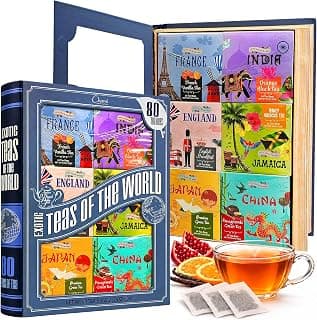
In many cases, the tea is best presented as part of a larger collection. Utilizing best gift basket ideas allows the giver to pair the tea with complementary items such as local honey, shortbread, or even best chocolate gifts for christmas. This multisensory approach ensures that the gift covers a broader range of the recipient's preferences.
The Role of Accessories and Experience
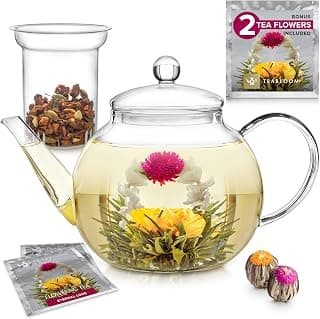
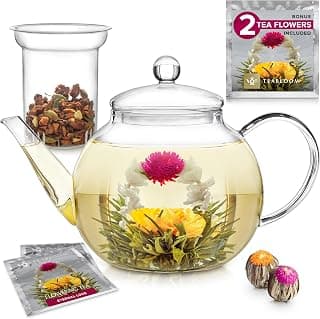
A gift of tea is often incomplete without the proper tools to enjoy it. High-quality teaware can elevate the experience from a mundane task to a meditative practice. Borosilicate glass teapots allow the recipient to watch the "agony of the leaves" (the technical term for leaves unfurling), while cast iron tetsubin retain heat for extended periods. If the recipient is always on the go, a double-walled travel infuser may be the most logical choice.
When considering what is a good experiential gift, a tea tasting subscription or a private tea ceremony workshop ranks highly. These options provide the recipient with knowledge and a new skill set, which is a far more permanent asset than any physical object. It transforms the gift from a product into a journey of discovery.
The quality of the water and the precision of the temperature are the silent partners in a perfect cup of tea. Without them, the finest leaves remain dormant.
Implementing Tea as Professional Appreciation
In a corporate or platonic setting, tea is one of the best thank you gifts for friends and colleagues because it is non-offensive and universally appreciated. Unlike alcohol, which may be restricted by religious or health reasons, tea is inclusive. It suggests a professional level of care without the intimate connotations that other gifts might carry. This makes it an ideal choice for maintaining a respectful yet warm professional relationship.
Frequently Asked Questions (FAQ)
Is loose leaf tea better than tea bags for a gift?
Yes, loose leaf tea is technically superior because it contains whole leaves that retain essential oils and offer a more nuanced flavor profile compared to the tea dust found in most standard bags. While bags offer convenience, loose leaf tea provides a higher quality sensory experience and is perceived as a more premium, thoughtful gift.
What is the best tea for someone who is stressed?
Herbal infusions like Chamomile, Peppermint, or high-quality Green tea are the most effective. Chamomile contains apigenin, an antioxidant that binds to certain receptors in the brain that promote sleepiness and reduce insomnia. Green tea contains L-theanine, which promotes relaxation without causing drowsiness, making it ideal for daytime stress management.
How long does gift tea stay fresh?
Most teas remain at peak freshness for six to twelve months if stored in an airtight, opaque container away from light, heat, and moisture. Green and white teas degrade faster due to their minimal oxidation, while black teas and Oolongs can remain flavorful for up to two years. Pu-erh tea is a unique exception that can actually improve with age over several decades.
Should I include a teapot with a tea gift?
Only include a teapot if the recipient does not already own functional teaware or if you are gifting loose leaf tea to a beginner. Including a basic infuser or a small glass teapot ensures the recipient can enjoy the gift immediately without needing to purchase additional equipment, thereby increasing the practical utility of your gesture.
Is tea considered a luxury gift?
Tea can be classified as a luxury gift when it involves rare cultivars, specific harvest times (such as "first flush"), or artisanal processing methods. While tea is a daily staple for many, the "best" tea gifts focus on the top five percent of global production, offering a level of quality that the recipient would rarely purchase for themselves, thus fulfilling the psychological requirement of a luxury item.








