
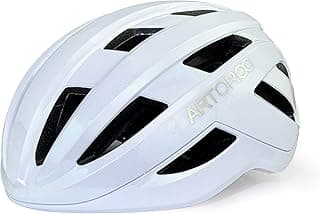
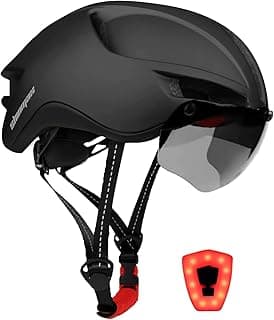
The Significance of the Helmet in the Triathlon Ecosystem
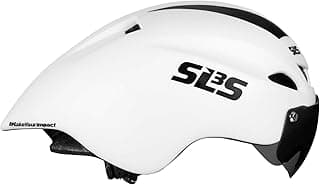
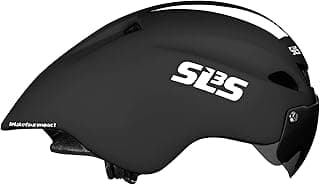
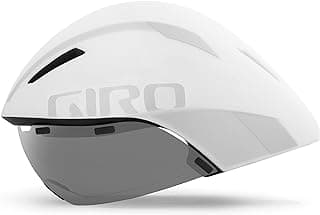
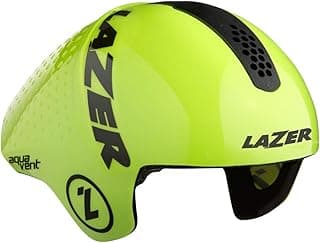
In the world of high-performance sports, a helmet is arguably the most significant aerodynamic investment an athlete can make after their bike frame. Because the head is the first part of the body to "break" the wind, a poorly designed helmet creates turbulence that slows the rider down. A specialized triathlon helmet is engineered to streamline airflow over the rider's back, effectively turning the athlete into a more efficient machine.
Gifting tech is about more than specifications; it is about upgrading the recipient's window to the digital world, ensuring every frame is a testament to quality.
Beyond the physics of speed, there is the emotional aspect of the gift. Athletes spend hundreds of hours in solitary training. Knowing that a loved one has researched and provided the best aero helmet available provides a psychological boost. It serves as a reminder of support during those difficult final miles of a race. It is often said that when people wonder what is the greatest gift to give, the answer is often something that supports the recipient's health and deepest passions.
Key Features to Consider When Selecting a Triathlon Helmet
To choose the best triathlon helmet, you must look past the sleek aesthetics and focus on several core technical pillars. Here is what makes a helmet "gift-worthy" for a competitive triathlete:
1. Aerodynamics vs. Ventilation
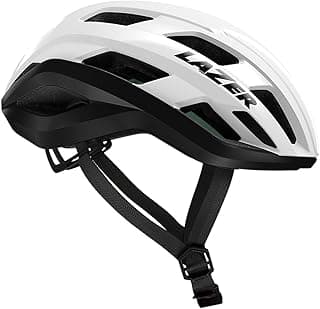
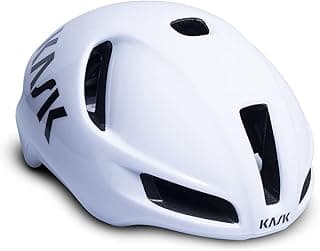
Traditional "long-tail" aero helmets are designed for maximum speed but can sometimes lack airflow. In longer races like a full Ironman, overheating can be a major issue. Modern designs now favor "stubby" or "road-aero" shapes. These offer a compromise, providing significant drag reduction while incorporating internal channels to keep the athlete cool. If your recipient competes in hot climates, look for a model that prioritizes these cooling vents.
2. Safety Technology (MIPS)
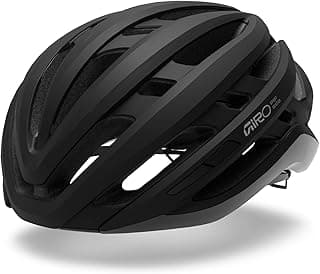
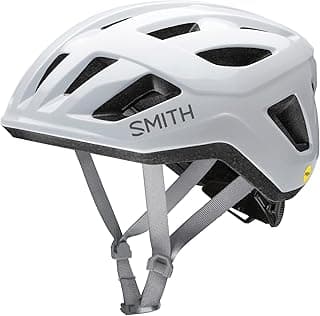
Safety should never be sacrificed for speed. When browsing for a high-quality gift, checking for the best mips bike helmet integration is essential. MIPS (Multi-directional Impact Protection System) is a low-friction layer inside the helmet that allows a sliding motion of 10–15mm in all directions, reducing rotational motion to the brain during an impact. This is a premium feature that shows you care deeply about their long-term well-being.
3. Integrated Optics and Visors
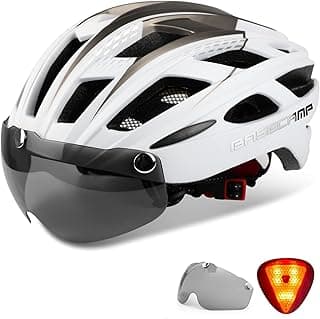
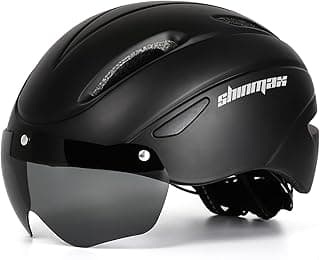
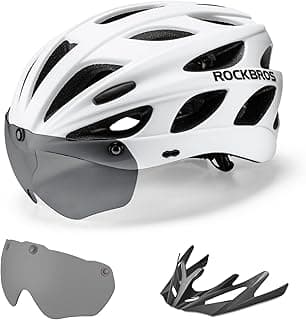
Many specialized triathlon helmets come with integrated magnetic visors. This is a game-changer for transitions. Instead of fumbling with sunglasses while their heart rate is soaring, the athlete can simply snap the visor into place. High-quality visors also provide better peripheral vision and protection from wind and debris than standard eyewear.
Top 3 Brands Leading the Triathlon Helmet Industry
While many companies produce cycling gear, three brands have consistently set the standard for triathlon-specific protection and performance. These are the "safe bets" when looking for best gifts for xmas or a special birthday surprise.
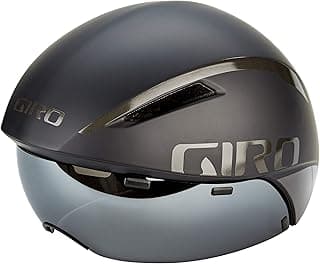
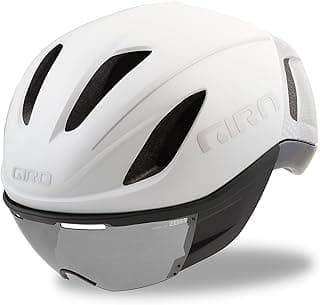
Giro: The Pioneer of Aero
Giro has a long-standing heritage in the wind tunnel. Their helmets are known for their "fit and forget" comfort. Their top-tier triathlon models often feature Zeiss optics, providing the athlete with world-class clarity. For a best gifts for husband that has everything, a limited-edition Giro helmet offers a blend of style and heritage that is hard to beat.
Rudy Project: Italian Precision and Adjustability
Rudy Project is a favorite among professional triathletes due to their incredible adjustability. Their helmets often feature interchangeable vent covers, allowing the athlete to customize the helmet based on the weather conditions of the race day. This versatility makes it an excellent gift for the meticulous athlete who likes to fine-tune every aspect of their setup.
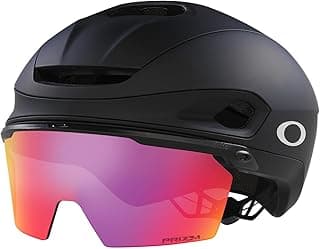
Oakley: Innovation and Optics
Oakley entered the helmet market with a bang, bringing their legendary Prizm lens technology to the visor system. Their designs focus heavily on the integration between the helmet and the athlete's face, ensuring that there is no fogging and that the field of vision is optimized for the "tucked" aero position. It is an ideal choice for the tech-forward athlete who appreciates clean, modern lines.
The Practicality of Fit: A Gifter's Challenge
The only downside to gifting a helmet is the necessity of a proper fit. Helmets usually come in Small, Medium, and Large based on head circumference. If you want to keep the gift a surprise, you might need to "borrow" an old helmet to check the size or measure a hat they wear frequently. Most top-tier triathlon helmets offer micro-adjustment dials at the rear, which allows for a snug, custom fit even if your measurement is slightly off.
Remember that a helmet is a consumable safety item. Most manufacturers recommend replacing a helmet every 3 to 5 years, or immediately after any crash. This makes a new, high-end helmet one of the most practical and appreciated gifts an athlete can receive, as they may be hesitant to spend the money to upgrade their own gear until it is absolutely necessary.
Safety is a silent partner in every race; the right helmet doesn't just protect a head, it preserves the dreams and the future of the person wearing it.
Conclusion: An Investment in Their Passion
Choosing the best triathlon helmet requires a balance of technical knowledge and an understanding of the athlete's specific needs. By focusing on aerodynamic efficiency, advanced safety features like MIPS, and the reputable engineering of brands like Giro or Rudy Project, you are giving more than a piece of plastic and foam. You are giving the gift of confidence, speed, and safety.
Whether it is for a first-time competitor or a seasoned veteran, a high-quality helmet is a prestigious addition to their gear bag. It is a gift that will be used for thousands of miles, through the wind, rain, and sun, standing as a testament to your support for their incredible journey of endurance.
Gifts are for making an impression, not just for the sake of it. GiftsPick - Meticulous, Kind, Objective.