
The Physics of Freezing: Why Water Quality Matters
In a standard freezing cycle, water is sprayed or poured over a chilled evaporator plate. Pure H2O molecules freeze first, while impurities—measured as Total Dissolved Solids (TDS)—are pushed into the remaining liquid. If a user utilizes high-mineral tap water, these solids eventually precipitate as calcium carbonate, creating a crystalline scale that acts as a thermal insulator. This forces the compressor to run longer and hotter, leading to irreversible component fatigue. This is a critical consideration when deciding what to buy for someone who has a new home, as their local water hardness will dictate the maintenance schedule of any gifted appliance.
Gifting tech is about more than specifications; it is about upgrading the recipient's window to the digital world, ensuring every frame is a testament to quality.
Evaluating the Best Water for Ice Maker Longevity
To maximize the "Buy It For Life" (BIFL) potential of an ice machine, we must categorize water types based on their chemical impact on the machine’s internal architecture. The following table breaks down the technical variables of the most common water sources used in residential and commercial units.
| Water Type | TDS Range (PPM) | Mechanical Impact | Maintenance Requirement |
|---|---|---|---|
| Standard Tap Water | 100 - 400+ | High risk of scale buildup on sensors and valves. | Monthly descaling required. |
| Distilled Water | 0 - 5 | Zero scale; however, may cause "bin full" sensor errors in some models. | Minimal; check sensor compatibility. |
| Reverse Osmosis (RO) | 5 - 25 | Optimal balance; prevents scale while maintaining enough conductivity for sensors. | Semi-annual filter replacement. |
| Carbon Filtered | Depends on Source | Removes chlorine/odors; does NOT remove hardness/minerals. | Regular descaling still necessary. |
The Distilled Water Dilemma
While distilled water is chemically pure, it is often not the best water for ice maker units that utilize infrared or conductivity sensors. Many premium machines, like the best clear ice maker for home bar setups, rely on the electrical conductivity of water to trigger the "add water" or "ice full" signals. Completely demineralized water can lead to "ghost" errors where the machine thinks it is empty when it is full. For these sophisticated systems, Reverse Osmosis water with a remineralization stage is the engineering gold standard.
Gifting Strategy: Enhancing the Appliance Experience
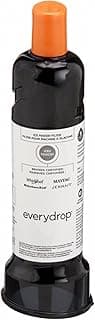
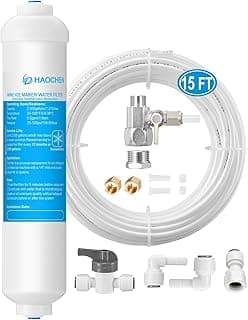
If you are exploring best gift ideas for housewarming presents, gifting an ice maker alone is an incomplete gesture. To truly provide value, the gift should include a dedicated filtration solution or at least a high-quality descaling kit. Understanding how much should a housewarming gift be often involves balancing the initial cost of the machine with the hidden costs of its operation. A machine that fails due to scale buildup within 14 months is a burden, not a gift.
User Empathy: Designing for Different Lifestyles
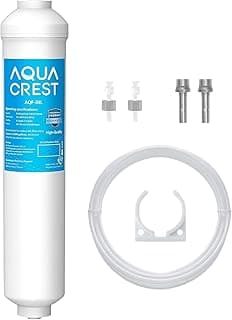
For a best built-in ice maker, maintenance is often out of sight and out of mind. However, for an elderly recipient or someone with limited mobility, a machine that requires frequent, complex descaling is impractical. In these cases, prioritizing a machine with a self-cleaning cycle and an integrated, easy-to-swap charcoal and ion-exchange filter is essential. Small apartment dwellers, on the other hand, may not have the space for under-sink RO systems, making a countertop unit that is compatible with bottled spring water a more empathetic choice.
Hidden Costs and the BIFL Philosophy
The "Buy It For Life" community on platforms like Reddit frequently warns against "black box" ice makers—units that cannot be disassembled for deep cleaning. Biofilm and mold growth are significant risks in the moist, dark interior of an ice machine. Using the best water for ice maker units—specifically water that has been UV-sterilized or highly filtered—slows the growth of these biological contaminants. However, users must be educated that even with perfect water, mechanical parts like the water pump and the drive motor have a finite number of cycles. Choosing a brand that offers modular replacement parts rather than requiring a full unit replacement is the only way to avoid the "fast consumerism" trap.
Gifting high-performance appliances requires a shift from viewing them as temporary conveniences to seeing them as long-term investments in the recipient's quality of life.
Expert FAQ: Direct Answers for Water Management
Can I use softened water in my ice maker?
Yes, but with caution. While water softeners remove calcium and magnesium (the primary causes of scale), they replace them with sodium ions. If the sodium concentration is too high, it can affect the taste of the ice and, in rare cases, slightly lower the freezing point of the water, resulting in "wet" or slushy ice. For the best gift for my husband who enjoys high-end spirits, softened water may not provide the flavor neutrality required for premium whiskey ice.
How often should I descale my machine if I use the best water?
Even with Reverse Osmosis or distilled water, you should descale every six months. While mineral scale is reduced, biological biofilm and dust accumulation from the air-cooling intake can still contaminate the reservoir. Regular maintenance is the only way to ensure the machine operates at peak efficiency.
Does filtered water make the ice clearer?
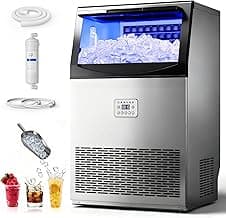
BLUF: No, filtration alone does not guarantee clarity; the freezing method does. Clear ice is achieved through directional freezing, where water is kept in motion to allow air bubbles and impurities to escape before the water solidifies. High-quality water helps, but a dedicated best clear ice maker is required for that crystal-clear aesthetic often seen in professional bars.
Is it worth buying an under-sink filter just for an ice maker?
BLUF: Yes, specifically if your local water hardness exceeds 120 PPM. An inline ion-exchange filter is a relatively inexpensive addition that can triple the lifespan of the machine's internal valves and pump, making it a wise investment for any homeowner.