










The Psychological Foundations of Selecting the Best Wine for a Gift
From a behavioral science perspective, gifting wine functions as an "experiential bridge." While a physical object remains in a household, a bottle of wine is destined for consumption, often in a shared social setting. This creates a memory of the flavor profile and the atmosphere in which it was opened. When researching how to come up with good gift ideas, experts often highlight the importance of reciprocity and social signaling. A high-tannin, age-worthy red suggests a long-term relationship, whereas a crisp, immediate white wine might signal a lighter, celebratory acquaintance.
The selection of a specific vintage is a reflection of the giver's perception of the recipient's sophistication and the durability of their professional or personal bond.
For those considering best gift ideas for him, wine offers a structured way to acknowledge specific achievements. The logic behind this lies in the "Endowment Effect," where the recipient values a gift more if it aligns with their self-image. A collector of rare artifacts will appreciate a wine with historical provenance, while a tech enthusiast might prefer a modern, sustainable winery utilizing innovative fermentation techniques.
Comparative Analysis of Wine Varietals for Gifting
To identify the best wine for a gift, one must categorize the options based on their technical characteristics and suitability for different recipient profiles. The following table provides a logical comparison based on typical consumption behaviors and storage requirements.
| Wine Category | Technical Profile | Best Recipient Match | Storage Consideration |
|---|---|---|---|
| Vintage Champagne | High acidity, complex secondary aromas (brioche, toasted nut). | Significant milestones (weddings, retirements). | Immediate or medium-term (5 to 10 years). |
| Bold Red (Cabernet/Nebbiolo) | High tannin structure, intense fruit, oak integration. | Serious collectors, formal corporate gifts. | Long-term aging required (10 to 20 years). |
| Aromatic White (Riesling/Sauvignon Blanc) | High acidity, floral or herbaceous notes, low oak. | Casual acquaintances, summer events. | Best consumed young (1 to 3 years). |
| Dessert Wine (Sauternes/Port) | High residual sugar, fortified or botrytized. | Aesthetes, dinner party hosts. | Highly stable, extremely long shelf life. |
When selecting for a female recipient, such as when browsing best gift ideas for a woman, it is vital to avoid gendered stereotypes. Instead, focus on the "Palate Complexity Factor." Data from consumer research suggests that recipients prioritize the "story" behind the bottle - the vineyard's heritage or the specific climate of the vintage - over simple flavor preferences.
The Paradox of Choice: Price vs. Provenance
One of the most frequent errors in gifting is the assumption that a higher price point automatically equates to a "better" gift. In the realm of wine, price is often a function of scarcity rather than objective quality. For a professional context, such as determining what is a nice client gift, the goal is to find the "sweet spot" of the price-to-prestige ratio. A well-regarded second-growth Bordeaux often provides more psychological value than an overpriced, obscure label that the recipient may not recognize.
If the recipient is a connoisseur, they may already have a stocked cellar. In such cases, the best wine for a gift might not be a bottle at all, but rather a related high-quality accessory. For example, pairing a bottle with a best hand watch for man or a best tissot watch under 500 can elevate the gift from a simple beverage to a curated lifestyle kit.
Emotional Value vs. Material Value in Wine Gifting
The Reddit community, particularly in subreddits focused on frugal living and wine appreciation, often debates the "Utility of the Bottle." The material value of wine is fleeting - it disappears once the cork is pulled. Therefore, the emotional value must be maximized through "Intentionality."
1. Narrative Intent: Does the wine come from a region the recipient visited? This transforms the gift into what is a good experiential gift by evoking past memories.
2. Time-Capsule Intent: Is the wine from a birth year or anniversary year? This signals that the giver has invested significant cognitive effort into the selection.
3. Educational Intent: Does the bottle introduce the recipient to a new, emerging region? This positions the giver as a knowledgeable guide.
The most successful gifts are those that reflect the recipient's personality back to them in an elevated form.
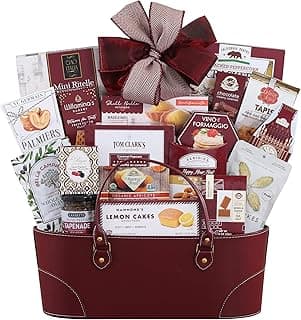
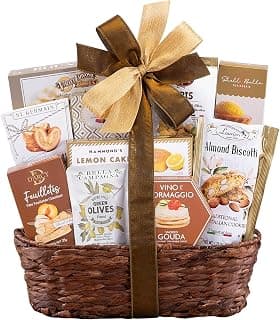
When the material value is the primary focus, the gift risks being perceived as a bribe or a generic gesture. However, when the emotional value - the "thought count" - is high, the wine becomes a symbol of a deep understanding of the recipient's character. This is why many people opt for best gift baskets on amazon that include wine along with complementary artisanal goods, as it creates a more comprehensive sensory experience.
Frequently Asked Questions (FAQ)
Is wine a good housewarming gift?
Yes. Wine is a traditional and highly functional housewarming gift because it provides the new homeowners with an immediate resource for hospitality or personal relaxation during the stressful transition of moving. In many cultures, gifting wine or spirits is a symbolic wish for a "full and joyful home." To ensure the gift is well-received, it is advisable to choose a "crowd-pleaser" varietal like a Pinot Noir or a dry Sparkling wine, which pairs easily with a variety of foods and transitionary living room settings.
How much should I spend on a bottle of wine for a gift?
The appropriate expenditure typically ranges between 30 and 100 dollars for most social and professional occasions. Spending below 20 dollars may be perceived as a lack of effort for significant events, while spending over 200 dollars can create a "social debt" or feelings of awkwardness if the relationship is not extremely close. For milestone events like a 50th birthday or a major promotion, higher budgets are acceptable, but the focus should remain on the rarity and significance of the vintage rather than the raw cost.
Should I wrap a wine bottle before gifting it?
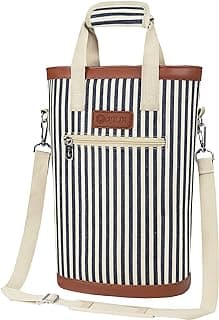
Yes. Presentation is a critical component of the gifting ritual as it builds anticipation and signals that the item is a formal gift rather than a casual contribution to a meal. Use a high-quality wine bag or a minimalist wooden box. Avoid excessive plastic ribbons, as modern gifting trends favor sustainable, high-texture materials like linen or recycled paper. Including a handwritten note explaining why you chose that specific bottle will significantly increase the perceived emotional value of the gift.
What if I do not know the recipient's wine preference?
Choose a high-quality sparkling wine or a refined Rose from a reputable region like Provence. Sparkling wine is technically the most versatile gift because it is associated with celebration and is rarely disliked. If you are uncertain about alcohol consumption entirely, it is safer to pivot toward high-end non-alcoholic botanical spirits or a gourmet gift set that focuses on culinary experiences rather than viticulture.
In conclusion, the best wine for a gift is one that balances technical quality with personal relevance. By analyzing the recipient's lifestyle and the psychological goals of the occasion, you can select a bottle that serves as a lasting testament to the relationship.








