
The Psychology and Behavioral Science of the Best Wine to Gift
Psychologically, the act of gifting wine triggers the principle of reciprocity. However, the quality of the reciprocity is determined by the perceived effort of the giver. Behavioral science suggests that recipients derive more satisfaction from a gift that demonstrates "knowledge alignment." If a giver selects a bottle from a region the recipient recently visited, the emotional value increases exponentially, regardless of the retail price. This is particularly relevant when considering what is a nice client gift, where professional boundaries must be respected while still demonstrating personal attention.
When selecting the best wine to gift, givers must avoid the "prestige trap," which is the tendency to assume that the most expensive bottle is objectively the best. Instead, professional consultants recommend a "Contextual Valuation" approach. This involves assessing the setting in which the wine will be consumed. A heavy, complex red may be structurally superior but would be psychologically mismatched for an outdoor summer gathering. Logic, therefore, dictates that the environment is a primary variable in the selection algorithm.
| Wine Category | Structural Characteristics | Ideal Recipient Profile | Relationship Context |
|---|---|---|---|
| Bold Red (e.g., Bordeaux) | High tannin, high aging potential | Collectors, history enthusiasts | Significant milestones, mentors |
| Aromatic White (e.g., Riesling) | High acidity, diverse sugar levels | Culinary enthusiasts, casual drinkers | Dinner hosts, acquaintances |
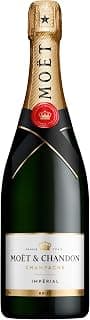
| Sparkling (e.g., Champagne) | Carbonation, yeasty complexity | General celebrants | Promotions, weddings, housewarmings |
| Fortified (e.g., Vintage Port) | High alcohol, extreme longevity | The "patient" recipient | Legacy gifts, multi-year anniversaries |
Determining Emotional Value Versus Material Value in Wine Gifting
Community discussions on platforms like Reddit often emphasize that the material value of a bottle is fleeting, while the emotional narrative persists. The best wine to gift is one that carries a story. This "narrative value" is what differentiates a generic purchase from a meaningful gesture. For example, when choosing the best anniversary gift for wife, a bottle from the year the couple met provides a chronological anchor that a modern, more expensive vintage cannot replicate.
"The value of a vintage is not found in its price tag, but in its ability to act as a catalyst for shared memory and historical reflection."
The emotional impact of the gift is also shaped by the presentation and the information provided. Including a brief, technically accurate note about why a specific bottle was chosen (e.g., "I chose this Sancerre because of your interest in mineral-driven whites") transitions the gift from a commodity to a personalized experience. This shift increases the perceived value of the relationship, signaling that the giver has invested time in understanding the recipient's unique preferences.
The Best Wine to Gift for Professional Relationships
In a corporate setting, the best wine to gift should lean toward classic, internationally recognized regions. This minimizes the risk of polarizing the recipient with niche or "experimental" styles (such as certain natural wines which can have unpredictable profiles). When looking for the best gift for your manager, a safe yet sophisticated choice would be a classic Super Tuscan or a refined Chardonnay from the Cote de Beaune. These regions carry a built-in reputation for quality that requires no explanation.
| Factor | Standard Wine Gift | Curated Wine Selection |
|---|---|---|
| Selection Basis | Price or label design | Recipient palate and occasion logic |
| Long-term Impact | Consumed and forgotten | Stored as a memory or future event |
| Risk Level | High (may not suit taste) | Low (justified by technical merit) |