





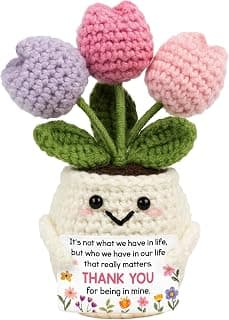
The Psychological Foundations of Gifting
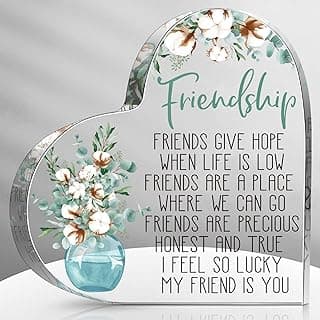
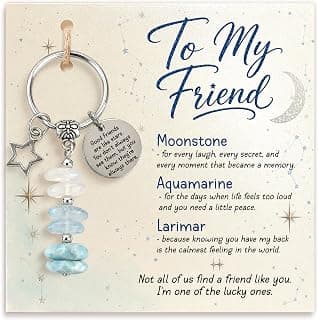
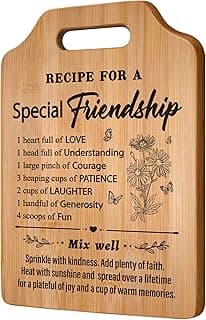
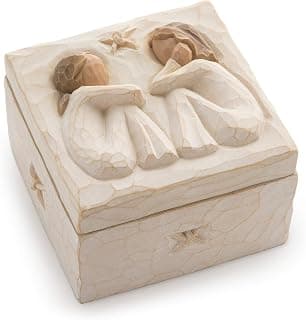
Understanding the "Signaling Theory" is essential when selecting friendship gifts for best friend. This theory suggests that the effort, observation, and resources invested in a gift signal the value placed on the relationship. A gift that aligns perfectly with a friend's niche hobby or a specific, unstated need indicates a high level of cognitive empathy. Conversely, generic items often signal a lack of investment or a misunderstanding of the recipient's personality. This is why many people spend significant time researching best birthday gift ideas to ensure the signal sent is one of profound intimacy and respect.
Furthermore, the concept of "Reciprocal Altruism" plays a role in long-term friendships. While close friends do not usually keep a strict ledger of costs, the consistent exchange of thoughtful items creates a cycle of positive reinforcement. When considering best gift ideas for a woman who has been a pillar of support, the gift should reflect her specific role in your life, whether she is the pragmatic advisor or the adventurous spirit.
Gifting is a language where the object is merely the syntax, but the intention provides the true meaning of the message.
Evaluating Gift Categories: Practicality versus Sentiment
In the process of selecting the most appropriate item, one must weigh the variables of utility and emotion. A practical gift serves the recipient's daily needs, reducing friction in their life, while a sentimental gift focuses on nostalgia and shared experiences. Both have their merits depending on the current life circumstances of the friend.
| Variable | Practical Gifts | Sentimental Gifts |
|---|---|---|
| Primary Goal | Problem-solving and daily utility. | Emotional resonance and memory preservation. |
| Psychological Trigger | Gratitude through ease of use. | Nostalgia and belonging. |
| Example Items | best digital clock for bedroom or high-quality tools. | Customized photo albums or best friend forever gifts like engraved jewelry. |
| Risk Level | Low (if the need exists). | High (depends on the friend's current emotional state). |
Emotional Value versus Material Value: A Reddit Perspective
Digital communities, particularly those on platforms like Reddit, often debate the true value of gifts. The consensus within "thoughtful gifting" subreddits is that the material cost is frequently secondary to the "observational effort." For instance, when individuals ask is 1000 a good birthday gift, the community response is almost always: it depends on the context. A high price tag can sometimes feel impersonal or even create a sense of social debt that the recipient feels unable to repay. In contrast, an inexpensive but highly specific item that references an "inside joke" or a shared struggle often carries significantly more emotional weight.
The balance of emotional versus material value is what shapes the long-term relationship. If a gift is purely material, it may be forgotten once its utility expires. However, if it is anchored in emotional value, it becomes a permanent part of the friend's personal narrative. When investigating what is the best surprise for your best friend, research suggests that "experiential surprises" (trips, classes, or shared meals) create more lasting happiness than static objects, as they provide new memories to build upon.
A gift that solves a daily friction point shows more observation than a gift that merely cost a high sum of money.
Strategic Selection Based on Life Stages
The needs of a friend change as they transition through different life stages. A gift for a friend in their teenage years will differ drastically from a gift for a friend who is established in their career. For younger recipients, social validation and personal expression are often the highest priorities. Many seek best gift ideas for teens that help them define their emerging identity. For adult friends, time and stress-reduction are the most valuable commodities. A gift that offers a moment of relaxation or a way to organize their busy schedule shows a deep understanding of their current stressors.
User Guide: How to Select the Perfect Friendship Gift
To choose friendship gifts for best friend effectively, follow this structured analytical framework:
- Audit the "Relationship Archive": Think back to the last three months of conversations. Has your friend mentioned a broken item, a new interest, or a recurring frustration?
- Identify the Primary Love Language: Does your friend value "Acts of Service" (practical gifts) or "Quality Time" (experiential gifts)?
- Determine the Occasion's Gravity: Is this a milestone (e.g., 30th birthday) or a "just because" gift? Milestones require more permanence, while casual gifts can be more whimsical.
- Vet for Longevity: Avoid "fast-fashion" style gifts. Choose items that are durable or provide a lasting memory.
Frequently Asked Questions (FAQ)
Is an expensive gift always better for a best friend?
No, because the psychological impact of a gift is determined by its relevance rather than its price. Excessive spending can occasionally create an uncomfortable power imbalance or a sense of obligation in the recipient. The most effective gifts are those that demonstrate you have listened to and understood the friend's specific desires or needs, regardless of the retail cost.
Should I prioritize surprises or ask what they want?
Surprises are superior for emotional impact, but asking is safer for high-utility items. If your goal is to create a "peak experience" and you have a high degree of confidence in your knowledge of their tastes, a surprise is highly effective. However, if you are purchasing a technical tool or a specific piece of equipment, consultation ensures the gift is actually usable and not a burden.
Can digital gifts be considered meaningful friendship gifts?
Yes, provided the digital asset demonstrates a high degree of personalization or shared history. In an increasingly digital world, items such as a curated digital music collection, a personalized video message, or a subscription to a service they use daily can be highly impactful. The key is to ensure the digital gift isn't seen as a "last-minute" convenience but as a deliberate choice to enhance their digital life.
What if my friend says they "don't want anything"?
In most social contexts, this is a request for low-pressure, high-emotional-value tokens rather than a literal demand for nothing. In these scenarios, a "consumable" gift (such as specialized tea, coffee, or a home-cooked meal) is the most diplomatic choice. It acknowledges the occasion without cluttering their physical space, respecting their stated boundary while still affirming the friendship.