





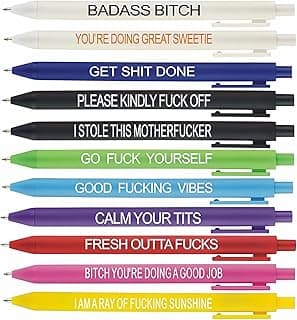
Psychological Variables in Gifting Unique Gifts for Best Friend
Behavioral economists often discuss the concept of "costly signaling." In the context of friendship, this cost is not always monetary; it is often the time and cognitive effort invested in finding something rare or perfectly tailored. Selecting best creative gifts for best friend requires a departure from mainstream retail trends. Instead, it demands an analysis of the recipient's daily habits and unexpressed needs. Logical gifting prioritizes the "recognition" factor, where the friend feels seen and validated by the choice.
| Gifting Strategy | Primary Psychological Driver | Impact on Relationship |
|---|---|---|
| Experiential Gifting | Shared memory creation | High long-term emotional resonance |
| Functional Utility | Problem-solving and efficiency | Daily reinforcement of the giver's support |
| Niche/Hobby Oriented | Validation of personal identity | Deepening of intellectual connection |
| Sentimental/Historical | Nostalgia and continuity | Reinforcement of shared timeline |
When assessing functionality, consider a friend who is exploring music as a hobby. Providing a best 3 4 acoustic guitar is a calculated move that supports their growth and personal development. This type of unique gift serves as a catalyst for new skills, making it far more memorable than a static object. Similarly, if they are a frequent traveler or a digital nomad, gifting best blue blocker glasses addresses a physiological need for eye protection during long working hours, showing a protective and thoughtful mindset.
The most effective gifts are those that solve a problem the recipient didn't realize they had, or those that provide a luxury they felt they couldn't justify for themselves.
Evaluating Material Value vs Emotional Value
Within communities like Reddit's gifting and minimalist forums, the consensus often leans toward "fewer, better things." The material value of a gift is its market price, but its emotional value is derived from its "story" and its utility. A high material value gift can sometimes create an unintended sense of debt, whereas a gift with high emotional value fosters intimacy. For example, if you are looking into how to spoil your best friend on her birthday, the focus should be on the quality of the interaction and the relevance of the item.
An item like a best bluetooth earbuds with mic carries both material and emotional weight if the recipient has mentioned struggling with low quality audio during your frequent catch-up calls. In this scenario, the gift is a direct solution to a barrier in your communication. It signifies that you value your conversations enough to invest in their clarity. This transition from "product" to "relationship tool" is the hallmark of a truly unique gift.
| Aspect | Material-Focused Gift | Emotional-Focused Gift |
|---|---|---|
| Objective | Impress through price or brand prestige | Connect through shared values or needs |
| Longevity | Depreciates as technology/fashion changes | Appreciates as memories are attached |
| Risk Factor | May feel impersonal or transactional | Requires deep knowledge to avoid missing the mark |
The logic dictates that for a gift to be considered unique, it must deviate from the "path of least resistance." Buying a gift card is a path of least resistance; researching the best birthday gifts for your best friend based on their specific personality type is the path of strategic engagement. The latter builds "relational capital," which is the foundation of long-lasting social bonds.
Direct Answer Framework: Frequently Asked Questions
Is it better to give one expensive gift or multiple smaller gifts?
Psychological research suggests that one substantial, high quality gift often leaves a more lasting impression than a collection of smaller, less significant items. This phenomenon, known as "duration neglect" or the "peak-end rule," indicates that people remember the intensity of a positive experience rather than the total quantity of items. Therefore, focusing your budget on a single, well-researched item that the recipient will use daily is generally more effective.
The value of a gift is not in its price tag, but in the evidence it provides that the giver has been paying attention to the recipient's life.
How do I find a gift for a friend who says they want nothing?
You should focus on consumable experiences or subtle functional upgrades to their daily routines. When a friend "wants nothing," they are often expressing a desire to avoid clutter or an aversion to material excess. In such cases, a unique gift might be a digital subscription, a high-quality artisanal consumable, or a tool that replaces an inferior one they currently use. It is about enhancing their existing lifestyle without adding unnecessary maintenance burdens.
Should unique gifts always be surprises?
No, transparency can often lead to higher satisfaction, especially for high-utility or technical gifts. While the element of surprise provides a dopamine spike, a gift that is discussed or selected with the recipient's input ensures it will be used and appreciated. For technical items or complex hobbies, confirming specifications or preferences ensures the gift does not become a burden or a waste of resources. The "surprise" can remain in the timing or the specific brand choice, while the category is agreed upon.
In conclusion, selecting unique gifts for best friend is a task of diplomatic observation. By prioritizing the recipient's psychological needs, identity, and functional requirements, you transform a simple purchase into a meaningful milestone of your friendship. Whether it is a tool for their career, a gateway to a new hobby, or a solution to a daily frustration, the logic remains the same: the best gift is an investment in the recipient's well being and your shared future.