







The Black Friday Timeline: When Deals Actually Happen
Early November "pre-Black-Friday" deals increasingly blur traditional shopping calendar—retailers extending sales periods earlier each year attempting to capture budget before competitors. These early deals sometimes match or exceed actual Black Friday pricing, making the "wait for Black Friday" conventional wisdom potentially costing you the item you wanted when stock depletes weeks before the supposed peak sale day arrives with nothing left purchasing except whatever nobody else wanted during early access periods.
Thanksgiving week proves genuine peak for robot vacuum deals—manufacturers and retailers both motivated moving inventory before year-end while consumer shopping attention maximizes creating perfect conditions for actual aggressive pricing versus promotional noise characterizing weeks leading up to holiday. However, popular models and configurations sell out rapidly at best prices, making early-week shopping on actual deals wiser than waiting for theoretical Friday improvements that might not materialize or might prove irrelevant when everything you wanted shows "out of stock" by time you're ready committing.
Cyber Monday extends robot vacuum deals but rarely improves Black Friday pricing—more often it's identical pricing on remaining inventory or slight improvements on models that didn't move as expected during Black Friday proper. The extension benefits procrastinators and those who missed Friday deals but rarely rewards waiting if you saw acceptable Friday pricing on models you actually wanted. The "better deal coming Monday" hope proves less reliable than just securing Friday pricing when you see it meeting your requirements.
Post-Christmas clearance occasionally delivers deepest discounts—retailers aggressively clearing holiday inventory to reset for new year creating desperation pricing on remaining stock. However, selection proves severely limited to whatever didn't sell during peak season, often for good reasons like older technology, unpopular colors, or models with known issues experienced reviewers learned about and avoided during main sales period. The deepest percentage-off proves meaningless on products you don't actually want at any price.
For gift-givers specifically, Black Friday timing proves nearly perfect—purchasing late November leaves weeks for arrival and any issues requiring returns or exchanges before holidays. When considering thoughtful gifts for women or practical presents for men interested in home automation, Black Friday enables securing premium technology at accessible pricing while maintaining appropriate gifting timeline for December holidays without last-minute panic or compromised selection.
Understanding Robot Vacuum Pricing Psychology
Manufacturers set MSRPs for maximum sale impact—$800 retail rarely seen outside launch week allows advertising "$400 off!" during sales creating impressive savings narrative regardless of $400 proving typical street price most of year. The discount percentage gets calculated from inflated baseline few paid, making apparent savings exceed real savings by substantial margins when compared to pre-sale actual transaction prices rather than manufacturer suggested retail nobody actually charges normally.
Previous generation models face aggressive clearance—new model release creates urgency discounting predecessor despite minor improvements rarely justifying full new-model premium. A two-year-old flagship might deliver 85% of current flagship performance at 50% of current flagship price during clearance, representing genuine value for users not needing absolute latest when previous generation proves entirely adequate for their actual homes and usage patterns versus theoretical capabilities specifications suggest mattering more than real-world impact reveals.
Feature tiers create pricing segments—budget models under $250, mid-range $300-500, premium $600-900, and flagship $1000+. Black Friday deals typically compress these ranges through bringing premium into mid-range pricing and flagship into premium pricing while budget models see minimal discounting because margins already thin at entry pricing points leaving little room for further reduction. The compressed tiers during sales make premium suddenly affordable creating value opportunities or temptation toward unnecessary capability depending on honest assessment of actual needs versus impressive specifications.
The best robot vacuum Black Friday deals emerge from analyzing actual feature needs and identifying which tier delivers those at which sale price represents genuine value versus just impressive percentage off from inflated baseline. A 40% discount on $1,200 flagship bringing it to $720 might seem superior to 30% off $600 premium bringing it to $420, but if your home's 1,200 square feet doesn't benefit from flagship's advanced mapping for 3,000+ square feet, the "smaller" percentage discount on appropriate-tier model proves better value despite less impressive discount mathematics suggesting otherwise.
Deal Evaluation Framework: Real Value vs Marketing Hype
Start with actual feature requirements—mapping capability for multi-room homes, strong suction for pets, auto-disposal base for limited mobility or busy schedules. Then identify minimum tier delivering those essentials avoiding paying for capabilities you'll never utilize. A $400 robot with features you need outperforms $600 robot at same $400 sale price if the more expensive model's additional features prove irrelevant to your actual home and lifestyle creating zero value despite impressive specifications.
Compare to pre-sale pricing through price tracking—tools like CamelCamelCamel revealing whether Black Friday "deal" represents genuine discount or just return to typical pricing after artificial pre-holiday inflation creating false urgency. A "40% off" robot that spent most of year at similar pricing proves less valuable than "25% off" robot that rarely sees discounts making the smaller percentage representing larger real savings versus inflated baseline comparison.
Calculate total cost including necessary accessories—some Black Friday prices exclude auto-disposal bases, extra filters, or boundary strips that effective operation requires. A $350 base robot plus $200 auto-disposal base plus $50 accessories totals $600 all-in despite "$350 robot vacuum deal!" headline suggesting otherwise. Competitor at $500 including base and accessories proves cheaper despite higher headline robot price when you're comparing complete systems rather than just robot units missing essential components for your intended usage.
Assess warranty and support infrastructure—some aggressive deals involve gray market units, international versions, or refurbished equipment lacking full warranty coverage or domestic support access. Saving $100 on purchase seems attractive until you need service and discover manufacturer won't honor warranty or replacement parts prove unavailable forcing premature replacement costing more than initial savings delivered. The security of established warranty and support sometimes justifies paying slight premium versus chasing absolute lowest price on questionable sourcing.
The Auto-Empty Base Calculation
Auto-disposal bases cost $200-350 standalone—but during Black Friday, bundle deals including base sometimes prove cheaper than buying robot alone at sale price then adding base later at full price. A $600 robot at 40% off equals $360. Same robot bundled with base at "50% off $950" equals $475—meaning base effectively costs $115 versus $300 standalone. The bundle mathematics make base nearly free compared to purchasing separately despite bundle appearing more expensive than robot-only deal at first glance.
However, base necessity depends on usage—someone home daily who doesn't mind 30-second dust bin emptying after each cleaning doesn't benefit from auto-disposal automation. Someone frequently traveling, managing mobility limitations, or just wanting genuine set-and-forget operation finds base transforming usability from "convenient robot vacuum" to "actual automation requiring no regular intervention." The value calculation proves entirely personal based on your lifestyle rather than universal base-always-worth-it or base-never-worth-it declarations ignoring individual variation in how much automation value you'll actually realize.
For gift contexts specifically, base inclusion significantly elevates present—$500 gift becomes $800 perceived value when recipient sees standalone base pricing, and the complete system proves more impressive than robot alone requiring immediate additional purchase making thoughtful automation gift feel incomplete. However, calibrate total investment to relationship depth and recipient comfort with expensive gifts avoiding creating acceptance awkwardness regardless of good value the bundle deal represented from shopping perspective.
Who Benefits Most From Black Friday Robot Vacuum Purchases
First-time robot vacuum buyers: Those never owned autonomous cleaning deciding to try technology during sale period making premium capability accessible at entry-level pricing. Black Friday enables trying sophisticated automation you wouldn't risk at full price—if it works great you've gained life-changing convenience, if it disappoints you haven't lost serious money on failed experiment. The sales reduce adoption barrier making trial less risky proposition. When considering premium brand options, Black Friday specifically enables accessing quality at prices making experimentation less intimidating.
Upgraders from early-generation robots: Owners of five-plus-year-old robots discovering current technology delivers dramatically improved navigation, mapping, and app control versus random-navigation robots they initially tried. The capability improvement justifies replacement where incremental year-over-year improvements don't—making Black Friday timing optimal for multi-year upgrade cycles capturing accumulated improvement at discounted pricing rather than paying premium for annual modest refinements.
Multi-robot households: Those wanting dedicated robots for different floors or separate units for different cleaning tasks—vacuuming versus mopping—finding Black Friday enables building comprehensive system at cost previously buying single premium unit. Two mid-range robots at $300 each during sales deliver better whole-home coverage than single $600 premium limited to one floor requiring manual transport between levels the robot can't autonomously navigate.
Gift-givers seeking impressive presents: Automation technology proves universally impressive gift regardless of whether recipient specifically requested it—Black Friday enables gifting premium automation at prices making such technology accessible gift category rather than extravagant luxury only closest relationships justify. The timing, pricing, and inherent impressiveness combine making robot vacuums ideal holiday gifts when deals bring them into reasonable budget ranges.
Models Worth Waiting For vs. Buy Now
Recently-released current-generation flagships rarely see deep Black Friday discounts—manufacturers protecting new product margins keeping premium pricing on latest technology. If you want this year's flagship with cutting-edge features, Black Friday might deliver 20-30% off versus full MSRP but rarely the 40-50% discounts older models receive. Consider whether newest features justify paying premium or whether last-generation at deeper discount serves identically for your actual use case versus theoretical capability specifications suggest mattering.
Last-generation premium models prove sweet spot—technology refined through years of iteration, inventory being cleared for new models, and capability adequate for most users despite lacking absolute latest innovations. These models delivering 85-90% of current flagship performance at 50-60% of current flagship pricing during clearance sales represent genuine value for informed buyers not needing cutting-edge when proven-excellent serves entirely adequately at substantial savings.
Budget models see minimal Black Friday improvement—already-thin margins at $200-300 entry pricing leave little room for aggressive discounting. Expecting $200 budget robot dropping to $120 during sales proves unrealistic when manufacturer barely profits at $200 making deeper cuts economically impossible. Budget buyers benefit more from considering mid-range models dropping into budget territory during sales rather than hoping budget models become substantially cheaper beyond their already-constrained pricing structure.
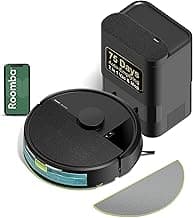
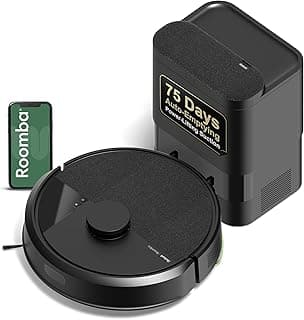
The best Black Friday self-emptying robot vacuum deals typically emerge on previous-generation premium with bases bundled—manufacturers pushing complete systems from last year clearing inventory for new releases while consumers get proven technology with full automation at prices previously requiring choosing between features. These combo deals where yesterday's flagship becomes today's value represent optimal balance of capability, automation, and price when you're not chasing absolute newest technology for its own sake.
The best Black Friday deal isn't deepest discount—it's the intersection of features you'll actually use, price representing real savings versus recent typical pricing, and timing allowing securing stock before popular configurations sell out entirely.
Pitfalls Destroying Apparent Deal Value
Refurbished units advertised as "deals" without clear disclosure—some retailers mixing new and refurbished inventory during sales creating confusion where you think you're buying new at great price when actually purchasing refurbished at only moderate discount versus new. Refurbished proves fine when knowingly purchased at appropriate discount, but accidentally paying near-new prices for refurbished represents value destruction despite appearing like deal based on comparison to new MSRP rather than appropriate refurbished pricing baseline.
Previous model year without meaningful discount—retailers clearing old inventory at modest discount suggesting deal when really they're just selling outdated technology at prices that should reflect its age and capability deficit versus current generation. A two-year-old robot at 25% off might cost more than superior one-year-old model at 30% off when you're comparing across generations where improvement justifies modest price premium versus false economy buying cheaper inferior older technology.
Incomplete bundles missing essential accessories—headline price excluding auto-disposal base despite base being primary value proposition for that model, or leaving out replacement filters and brushes you'll immediately need purchasing separately at full price negating headline savings. Always calculate total cost to operational system rather than just robot unit price when comparing deals across models with different included versus excluded components affecting true ownership cost beyond initial purchase.
Doorbusters with impossible availability—retailer advertising amazing deal on one or two units per store creating traffic without intention of satisfying demand, then upselling disappointed customers to different models at less aggressive pricing. Online equivalents limit quantities creating race requiring constant monitoring to catch brief availability windows. These "deals" prove marketing tactics rather than genuine opportunities unless you're willing extraordinary effort securing limited inventory most people won't successfully obtain regardless of interest.
The Manufacturer Strategy Guide
iRobot Roomba deals follow predictable patterns—previous-generation i-series at 35-40% off, j-series at 25-35% off, Combo units at 30% off with bases often bundled. Newest s-series sees minimal discounting during its launch year. Understanding this hierarchy enables targeting appropriate generation for your budget and capability needs rather than chasing flagship discounts that won't materialize or settling for budget models when mid-tier proves accessible at sales pricing. For comprehensive brand comparison, reference iRobot analysis understanding ecosystem before committing during limited-time sales.
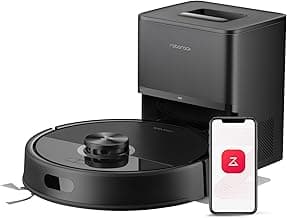
Roborock deals tend more aggressive than iRobot—Chinese manufacturer pricing more competitively while attempting market share growth from established Western brands. S7 and S8 series seeing 30-40% Black Friday discounts proves common, with older models potentially hitting 50% off as new generation releases. The aggressive pricing makes Roborock compelling value during sales for buyers not requiring specific brand prestige or established service network familiarity they're comfortable navigating.
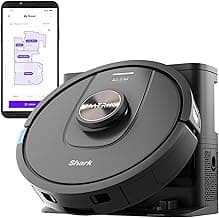
Shark and Ecovacs occupy mid-market positioning—capable technology at prices undercutting premium brands even before sales. Black Friday deals bringing these further down into true budget territory while delivering mid-range capability makes them attractive for price-conscious buyers or those wanting trying automation without premium investment. However, service and support networks prove less established than iRobot creating potential long-term concerns offsetting initial purchase savings when issues arise requiring manufacturer assistance.
Generic Amazon brands advertising "80% off" during Black Friday prove mathematically suspicious—actual pre-sale pricing reveals they operate at modest discount from inflated MSRP nobody ever paid creating impressive-looking but meaningless percentage savings. These might represent acceptable value at absolute price even if "deal" proves misleading, but cross-shop against established brands' sale pricing often revealing minimal savings for significantly inferior quality and non-existent support when problems inevitably develop.
The Return Policy and Exchange Window Consideration
Extended holiday returns prove crucial for Black Friday purchases—buying late November with returns accepted through January enables multi-week trial ensuring compatibility with your home before return window closes. This trial period matters enormously for robot vacuums whose performance varies dramatically based on specific home layouts, flooring types, and furniture configurations that specifications can't predict accurately without actual in-home testing revealing issues or confirming expectations.
Gift receipts enabling returns without revealing price preserve gift presentation—recipient can exchange if robot proves incompatible with their home without seeing what you paid, maintaining gift mystique while providing practical flexibility. This proves particularly valuable for robot vacuums where recipient's exact home characteristics might make specific model unsuitable despite your thoughtful selection based on what you knew about their situation without having perfect information predicting compatibility.
Manufacturer warranties starting from purchase date versus receipt date affects coverage—buying Black Friday for December 25th gifting means warranty already consumed one month before recipient even receives present. Some manufacturers adjust warranty start to registration date rather than purchase date, but verify rather than assuming, and communicate to recipient the registration requirement ensuring they don't unknowingly forfeit coverage through delayed registration thinking warranty protection began when they received gift rather than when you purchased it.
Timing for Different Gift Recipient Categories
For immediate family December holidays: Black Friday proves ideal—purchase late November, arrives early December, allows testing before gifting, and you can troubleshoot any issues before wrapping without recipient knowing. The timeline allows proper due diligence ensuring you're giving working quality equipment versus gambling on untested purchase you'll hand off hoping it works as expected without verification opportunity.
For extended family or friends with January birthdays: Cyber Monday or post-Christmas clearance might serve better—allowing seeing which models maintained inventory and pricing versus which sold out, reading early user reviews from Black Friday buyers, and potentially accessing even deeper clearance pricing if you're flexible on exact model. The extended timeline proves advantageous when not constrained by December 25th deadline forcing November purchase decisions.
For housewarming or moving gifts: Time purchase to align with actual move-in—buying during Black Friday for spring move creates storage burden and risk of damage during months waiting appropriate gifting moment. Better noting which models and prices seemed attractive, then purchasing when actually needed even if outside sales period since immediate utility outweighs modest savings from buying during sales but waiting months before appropriate gifting timing arrives.
For "just because" appreciation gifts: Black Friday enables spontaneous generosity—seeing great deal on model you know someone would appreciate allows acting on gift impulse at price making casual generosity affordable rather than requiring serious budget consideration limiting gift-giving to major occasions justifying significant expense. The sales democratize premium gift-giving beyond just obligatory occasions. When exploring related appreciation gifts, consider milestone present options for various life situations.
Pre-Black Friday Preparation for Deal Success
Research required features beforehand—Black Friday pace doesn't allow careful feature comparison when deals appear and disappear within hours. Know in advance whether you need mapping, scheduling, auto-disposal, or specific surface capabilities so when appropriate model hits target price you can purchase confidently without hesitation allowing others to claim limited stock while you're still researching whether features suit your needs.
Set price alerts on target models—services like Honey or Keepa notify when specific models drop to prices you've determined represent acceptable value based on your budget and needs. This automation prevents constantly monitoring dozens of models manually while ensuring you'll catch when your targets become available at prices meeting your requirements without missing opportunities through insufficient vigilance or bad timing when deals briefly appear.
Create retailer accounts beforehand with payment information saved—when deal appears requiring immediate action to secure limited inventory, checkout friction through creating account and entering payment details can mean losing item from cart while you're completing purchase. Preparation enables one-click purchasing catching deals others lose through checkout delays on deals with aggressive time windows or severe stock limitations.
Understand return policies across retailers—some offer 30 days, others 60-90 days for holidays, and requirements vary regarding original packaging, restocking fees, and return shipping costs. Knowing this beforehand informs where you purchase when multiple retailers offer similar pricing but different return terms affecting total risk if robot proves incompatible with your home after arrival and testing reveals issues specifications didn't predict.
The Multi-Year Strategy for Serial Upgraders
Robot vacuum technology improves meaningfully every 2-3 years—battery life increases, navigation sophistication advances, and app features expand providing genuine capability improvements justifying upgrades for enthusiasts. Black Friday enables buying premium every 2-3 years at prices approximating budget annual purchases—essentially getting flagship capability at budget frequency pricing through strategic timing capturing accumulated improvement at discounted rates.
Selling previous model offsets upgrade cost—used robot vacuum market robust as people seek testing technology affordably before committing new purchase. Your 2-year-old premium model bought at $400 might sell used for $200-250, making $400 new premium purchase effectively $150-200 net cost after recovery from previous model sale. This cycling strategy enables maintaining current technology at fraction of retail pricing through strategic buying and selling timing.
However, cycling creates e-waste and environmental impact—constant upgrading for modest improvements generates disposal burden and consumption patterns sustainability-concerned users might reject regardless of financial viability. The strategy proves economically rational but ethically questionable depending on your values around consumption, waste generation, and whether incremental improvements justify replacement of functional equipment creating environmental cost offsetting any personal benefit derived from latest capabilities.
The question isn't whether Black Friday delivers deals—it's whether deals offered represent genuine value for features you need versus impressive discounts on capabilities you'll never use or inappropriate models for your actual home.
Reading Black Friday Deal Coverage Critically
Pre-Black Friday "best deals" articles predict rather than report—written weeks before actual pricing announced, these prove educated guesses based on previous years creating expectations that actual deals might not meet. Treat these as research starting points for models worth considering rather than definitive recommendations about deals that don't exist yet when articles publish attempting capturing early search traffic before information actually available enabling informed guidance.
Affiliate relationships bias recommendations—sites earn commissions on purchases through their links creating incentive recommending whatever pays best regardless of whether it represents best value for readers. This doesn't invalidate all recommendations but creates conflict requiring reader skepticism cross-checking advice against multiple sources and your own research rather than trusting single source potentially compromised by financial incentives rewarding particular recommendations over others.
Real-time social media proves more reliable during sales—Reddit threads and Twitter discussions from actual shoppers encountering deals provide ground truth about pricing, availability, and whether advertised deals actually materialize as promoted. These unfiltered firsthand reports prove more valuable than pre-written articles created without access to information they're supposedly providing guidance about before it exists enabling actual informed recommendations.
The Inventory and Supply Chain Reality
Popular configurations sell out first—base models in common colors at advertised doorbusters pricing deplete within hours leaving only unpopular colors, premium tiers at smaller discounts, or nothing at all by time many shoppers begin searching. This reality makes early action crucial when seeing deal on configuration you actually want rather than assuming availability will persist allowing leisurely decision-making about whether price justifies purchase.
Supply chain uncertainties affect availability—manufacturing and shipping challenges create unpredictable inventory constraints beyond retailers' control. Models advertised as "coming" might never arrive, or arrive in quantities inadequate for demand creating frustration for shoppers expecting advertised deals to actually be available purchasing when they see acceptable pricing meeting their requirements and budget constraints.
Rain checks and backorders rarely honor sale pricing—when inventory depletes, retailers typically won't provide future delivery at Black Friday prices once sales period ends. The "deal" only exists while inventory lasts making it time-limited opportunity rather than price guarantee enabling leisurely purchase whenever convenient. This scarcity proves partly artificial creating urgency but also partly real from genuine inventory constraints beyond retailers' complete control.
Complete System Cost Analysis
Robot vacuum plus auto-disposal base plus replacement parts equals total first-year cost—filters requiring replacement every 2-3 months, brushes needing replacement annually, and possibly replacement batteries or wheels depending on model and usage intensity. A $400 robot plus $250 base plus $80 filters/brushes equals $730 first-year investment significantly exceeding headline "$400 robot vacuum deal" suggesting more modest total commitment than reality requires for maintained operation over ownership period.
Extended warranties costing extra might provide value—robot vacuums face mechanical stress and potential failures beyond standard warranty coverage. Extended protection costing $50-100 might prevent total loss if motor burns out or navigation sensors fail after manufacturer warranty expires. However, extended warranties rarely represent good value mathematically—they're profit centers for retailers pricing them accounting for most not needing coverage making average buyer lose versus opting out accepting repair/replacement risk individually.
Compare against traditional vacuum costs—quality upright lasting 10 years at $300 equals $30 annually plus minimal maintenance. Robot requiring $400 initial plus $200 base plus annual $80 parts plus potential replacement every 3-5 years creates higher total cost of ownership versus traditional equipment. The automation convenience might justify premium but understand you're paying substantial amount for hands-off benefit rather than saving money versus traditional approaches proving more economical if you're willing accepting labor versus paying for avoiding it.
When to Deliberately Skip Black Friday
Uncertain about features needed—jumping on Black Friday deal for robot you don't understand creates risk buying wrong model for your home because pricing urgency pressured premature decision. Better spending weeks researching understanding exactly what you need, then buying appropriate model at modest premium outside sales versus gambling on blind Black Friday purchase potentially delivering wrong robot requiring return and replacement hassle negating any savings achieved through impulsive sale buying.
Knowing new generation releasing soon—manufacturers typically announce new models in September/October for January/February release. If new generation brings meaningful improvements you want, waiting and paying full price for new technology beats buying previous generation at discount for features you'll immediately wish you had making discount feel like false economy versus just paying premium for what you actually wanted initially.
Home undergoing renovation or major changes—buying robot for home you're about to reconfigure risks purchasing for floorplan that won't exist when you want using it. Wait until post-renovation when actual layout determines requirements rather than purchasing for current configuration becoming obsolete before you've meaningfully used equipment making purchase timing premature regardless of attractive pricing during sales period.
Budget truly constrained requiring cheapest possible option—Black Friday might bring mid-range to entry pricing but won't make premium become budget regardless of discounts. If you need absolute cheapest option regardless of capabilities, off-season clearance or refurbished markets prove more appropriate than Black Friday sales still pricing above rock-bottom thresholds serving genuinely budget-constrained buyers versus those with moderate budgets seeking value rather than absolute minimum expenditure. For true budget considerations, reference budget vacuum options setting realistic expectations.
International Considerations for Black Friday Robot Deals
Black Friday expanding globally but deals vary regionally—US sees most aggressive discounting given holiday's American origin, while international markets participating increasingly but rarely matching American discount depths. Electrical compatibility, warranty coverage, and support access vary internationally making cross-border purchasing during sales more complex than domestic buying despite apparent price advantages when converted currencies suggest savings.
Gray market units create warranty concerns—purchasing US model for use internationally might create warranty invalidation if manufacturer determines unit wasn't intended for your market. The initial savings evaporate when you need service and discover manufacturer won't honor coverage on internationally-purchased equipment used outside intended market. Verify warranty terms explicitly covering international use before assuming attractive US sale pricing extends valid coverage to non-US use scenarios.
Shipping costs and customs fees erase apparent savings—international purchase requiring shipping and import duties might total more than buying locally at higher base price but without additional cross-border costs. Calculate completely landed cost including all fees and conversion rates rather than just comparing base unit prices suggesting savings that disappear after accounting for total cost delivering functional equipment to your location ready for legal use.
Long-Term Value: The 5-Year Ownership Calculation
Robot vacuum delivering 5 years service at $500 initial plus $400 total parts equals $900 over five years or $180 annually. Compare this to traditional vacuum at $200 lasting 10 years equaling $20 annually. The robot costs nine times more annually—this premium funds convenience and automation not equipment itself. If hands-off cleaning justifies $160 annual premium to you, robot proves good value. If you'd rather save $160 yearly accepting manual effort, robot represents expensive convenience regardless of Black Friday "savings" making expensive option slightly less expensive without changing fundamental cost-benefit equation.
Early failure destroys value proposition—robot dying year three converts $500 initial into $500/3 equals $167 annually for three years versus planned $180 annually for five years. The longevity risk proves higher for robots than traditional vacuums simply because more can fail mechanically in autonomous systems versus simple motor-and-brush designs traditional equipment employs. Black Friday savings prove meaningless if equipment fails prematurely negating any initial discount advantages through requiring premature replacement.
However, quality of life improvements resist quantification—coming home to cleaned floors daily, reclaimed weekend hours previously spent vacuuming, reduced stress from constant floor maintenance burden. These benefits prove subjectively valuable beyond simple cost analysis capturing only measurable financial flows ignoring psychological and lifestyle improvements money can't directly measure but genuinely affect daily living satisfaction for many users finding automation transformative despite mathematical analysis suggesting traditional approaches proving more economical.
Success Metrics for Black Friday Robot Vacuum Purchases
Success isn't securing lowest possible price—it's obtaining appropriate robot meeting your needs at fair price representing genuine value versus recent typical pricing regardless of whether you found absolute rock-bottom price someone else maybe obtained through more aggressive deal-hunting. The difference between very good deal and perfect deal proves minimal compared to difference between appropriate robot and inappropriate robot bought because discount looked impressive despite model being wrong for your home.
For gift-giving contexts, success involves recipient still using robot six months later—not just initial excitement but sustained integration into their cleaning routine demonstrating the automation genuinely improved their life rather than becoming expensive dust collector abandoned when novelty faded or incompatibilities emerged revealing gift-giver misjudged recipient's needs despite thoughtful purchase attempt. Sustained use proves gift succeeded versus just looking impressive during unwrapping creating temporary excitement fading into disuse.
Positive indicators include unprompted mentions of daily cleaning happening automatically, visible sustained home cleanliness improvement, or expressions of appreciation about time-saving and convenience the automation delivered matching hopes motivating gift selection. Negative indicators include robot sitting docked unused, complaints about limitations or incompatibility with their home discovered through use, or return/exchange requests suggesting original selection missed matching their actual needs despite best intentions during purchase process. For uncertain situations, emphasizing return flexibility from gift-giving outset enables honest assessment without guilt about returning inappropriate gift despite thoughtful selection attempt.
The Honest Limitations That No Discount Overcomes
Robot vacuums prove maintenance tools not replacement for traditional deep cleaning—they maintain already-clean floors between periodic traditional cleaning rather than eliminating need for human-operated vacuum entirely. Expecting robot to eliminate all vacuuming creates disappointment when deep cleaning still proves necessary despite robot handling daily light maintenance adequately. The automation reduces frequency and effort of traditional cleaning without completely eliminating it regardless of how expensive or sophisticated the robot purchased.
Home layouts and clutter defeat even premium robots—open floor plans with minimal obstacles prove ideal, but cluttered real homes with floor-level items, cords, and pet toys create navigation challenges robots struggle with regardless of price paid. No Black Friday deal makes inappropriate-for-your-home robot suddenly work if your home characteristics prove incompatible with robot vacuum operation fundamentals requiring relatively clear floors automation assumes existing.
Perfect automation remains aspirational not reality—robots get stuck, require rescuing, need regular maintenance, and create new frustrations while solving old ones. The technology improves yearly but hasn't achieved true set-and-forget operation despite marketing suggesting otherwise. Accepting imperfect automation proves necessary for satisfaction rather than expecting Black Friday deal will deliver flawless operation that even full-price premium flagship can't currently achieve given technology's inherent limitations regardless of continued improvement trajectory.
Gifts are for making an impression, not just for the sake of it.
GiftsPick - Meticulous, Kind, Objective.