
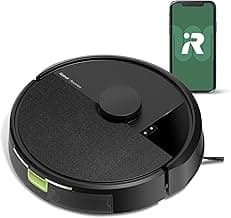
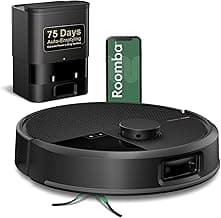

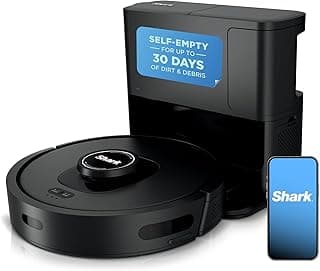
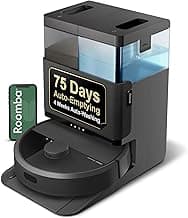
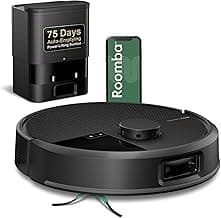
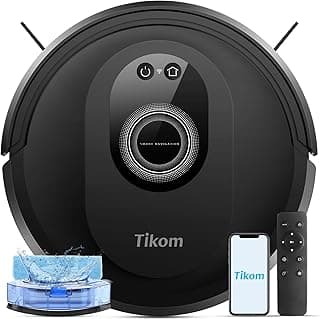
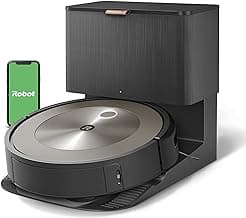
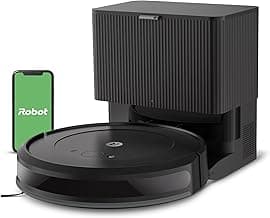
Who Actually Benefits From iRobot Specifically
Smart home enthusiasts integrating ecosystems: People already invested in smart home platforms—Alexa, Google Home, Apple HomeKit—wanting vacuum participating in automation routines. iRobot's established integration history and continued software support enables reliable ecosystem participation unlike newer brands whose integrations might work initially then break during updates. For tech-forward friends building comprehensive smart homes, established brand compatibility proves more valuable than cutting-edge features from companies whose software commitment proves uncertain.
Those valuing customer service accessibility: Users prioritizing repair availability and telephone support over maximum features-per-dollar. iRobot maintains service centers, responsive customer support, and predictable warranty experiences—mundane infrastructure seeming irrelevant until something breaks. For recipients unlikely troubleshooting technical issues independently, established support network justifies premium over cheaper alternatives lacking comparable service accessibility.
Multi-floor homeowners needing mapping reliability: Homes where robot must navigate multiple levels maintaining separate maps and cleaning patterns per floor. iRobot's mapping algorithms refined over years deliver more reliable multi-floor performance than newer competitors whose mapping occasionally confuses floors or loses saved maps requiring remapping frustration. This specific capability justifies premium for recipients whose home complexity demands sophisticated navigation beyond what budget robots reliably provide.
Those replacing previous Roomba seeking familiarity: Existing iRobot owners whose previous Roomba served well, who understand the ecosystem, and who value continuity over chasing latest alternative brands. Replacement charging stations work across model generations, app familiarity transfers, and troubleshooting knowledge remains relevant—reducing friction compared to learning entirely new system. For recipients expressing satisfaction with previous iRobot experience, staying within ecosystem makes sense despite premium pricing.
The Model Tier Reality: What Differences Actually Matter
Entry-level Roombas ($300-500) provide basic navigation using bump-and-turn patterns—randomly traversing spaces through obstacle detection rather than intelligent mapping. These clean adequately given enough time but inefficiently—covering same areas multiple times while potentially missing others entirely. For small open-plan apartments under 800 square feet, this randomness proves acceptable. For larger or complex spaces, the inefficiency frustrates users watching robot repeatedly clean same hallway while bedroom remains untouched after hour-long cleaning cycle.
Mid-range models ($500-800) add room mapping and systematic navigation—robot learns floor plan then cleans methodically rather than randomly. This efficiency improvement reduces cleaning time dramatically while ensuring complete coverage rather than probabilistic coverage random navigation eventually achieves. The practical difference proves substantial enough justifying mid-range investment for homes exceeding entry-level size limitations or anyone valuing predictable thorough cleaning over eventual adequate results.
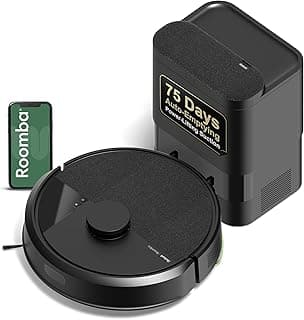
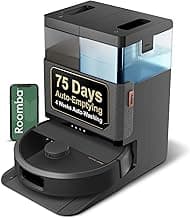
Flagship models ($900-1,600) add object avoidance using cameras or sensors, automatic dirt disposal bases, and enhanced app control. Object avoidance prevents common failures—getting stuck on socks, tangled in charging cables, or wedged under furniture requiring rescue. Automatic disposal bases empty robot's dust bin into larger base reservoir, reducing maintenance from post-cleaning to weekly or monthly depending on home debris volume. These conveniences matter for busy households or those whose robot encounters obstacles frequently enough that mid-cleaning rescues negate hands-off benefit automation promises.
The best rated iRobot vacuum typically lands in mid-range—delivering sophisticated navigation justifying robot vacuum purchase without flagship prices funding features many users never utilize. Object avoidance and auto-disposal prove genuinely valuable for specific scenarios but unnecessary luxury for others. Honest assessment of recipient's home complexity and cleaning patterns informs appropriate tier rather than defaulting to highest-rated flagship assuming more features always better regardless of actual usage patterns.
When Robot Vacuums Fundamentally Don't Work
Cluttered floors defeat any robot vacuum—toys, shoes, clothes, miscellaneous objects create obstacle courses robots can't navigate effectively. Homes requiring pre-robot-cleanup negating automation benefit entirely. If you wouldn't let toddler crawl across floor without first removing hazards, robot vacuum won't navigate successfully either. For recipients whose homes maintain floor clutter naturally, robot vacuums create frustration rather than convenience regardless of brand or sophistication.
Multi-level homes without elevators require carrying robots between floors—negating hands-off benefit when daily operation demands physically transporting equipment. While premium models support multiple floor maps, someone still must carry robot upstairs before activating cleaning. For homes where primary benefit sought involves not thinking about vacuuming, this carrying requirement reintroduces manual intervention defeating purpose. Consider whether recipient will actually maintain carrying discipline or whether robot remains on single floor making multi-floor capability pointless.
High-pile carpet challenges most robot vacuums including Roombas—thick shag or deep pile exceeds what robot motors and brush systems extract effectively. Robots handle low-pile carpet and hard floors well, but deep pile requiring aggressive suction and mechanical agitation defeats their capabilities. For carpet-dominant homes with plush pile, traditional uprights prove more effective despite lacking automation. When exploring comprehensive carpet solutions, reference upright vacuum options for thick carpet scenarios.
Homes with pets requiring immediate accident cleanup can't wait for scheduled robot cleaning—emergencies demand immediate human response that automation can't provide. Robot vacuums serve maintenance cleaning between deep cleaning sessions, not emergency response for time-sensitive messes. For pet owners managing frequent accidents, robots supplement rather than replace traditional equipment. For related pet considerations, explore pet hair management solutions for various flooring types.
The Maintenance Reality Nobody Mentions Upfront
Robot vacuums require more frequent maintenance than traditional vacuums—emptying dust bins after each use (unless auto-disposal base equipped), cleaning brush rolls weekly, replacing filters monthly, and wiping sensors occasionally ensuring navigation accuracy. This maintenance burden surprises buyers expecting "set and forget" automation when reality involves regular attention preventing performance degradation or complete failures when neglected components cause system breakdowns.
Brush roll hair tangling affects robots identically to traditional vacuums—long human hair or pet fur wraps around brushes requiring manual removal. The smaller robot brush rolls actually tangle faster than full-size vacuum brushes due to tighter spacing and smaller diameter increasing wrap ratio per hair strand. For long-hair households, plan weekly brush roll maintenance regardless of brand claims about tangle-free designs that physics prevents working perfectly. For specific hair challenges, see long hair vacuum solutions addressing this universal challenge.
Charging contacts corrode over time requiring occasional cleaning—dirty contacts prevent proper charging leaving robot dead when cleaning schedule activates. This obscure maintenance requirement causes mysterious failures users attribute to battery death when actually just dirty charging pins preventing power transfer. Including alcohol wipes and cotton swabs with robot vacuum gifts enables this maintenance nobody knows they need until robot inexplicably stops charging despite appearing properly docked.
Software updates occasionally introduce bugs breaking previously-functional features—the blessing and curse of connected devices receiving ongoing updates. While updates often improve performance, they sometimes create new problems users must troubleshoot through forums or customer service. This connected-device reality differs from traditional vacuums that work identically years after purchase without software intervention potentially breaking functionality.
Smart Home Integration: The Ecosystem Lock-In
iRobot vacuums integrate well with major smart home platforms—Alexa, Google Assistant, Apple HomeKit—enabling voice commands and automation routines. "Alexa, vacuum the living room" proves genuinely convenient versus manually starting robot or opening app. Integration with motion sensors enabling "vacuum after everyone leaves home" creates truly hands-off automation versus scheduled cleaning potentially conflicting with actual occupancy patterns.
However, this integration creates platform dependencies—switching smart home platforms potentially breaks vacuum integration requiring relearning control methods or losing automation routines. The convenience delivers value until ecosystem migration forces reassessing whether integrated vacuum justifies staying within platform you'd otherwise abandon. For recipients firmly committed to specific smart home platforms, this integration proves valuable. For those still exploring platforms or likely switching, integration benefits prove temporary rather than permanent value propositions.
Third-party integrations enabling advanced automation require technical comfort many users lack—IFTTT recipes, Home Assistant configurations, or similar solutions enabling sophisticated automated behaviors. While theoretically possible creating "vacuum when air quality drops below threshold" or "clean pet feeding area after scheduled feeding times," practical implementation requires technical expertise casual users don't possess. Marketing emphasizes possibilities while understating implementation barriers preventing most users accessing advertised advanced capabilities.
Automation only proves valuable when automation actually happens—sophisticated capability you never configure delivers identical value to features that don't exist.
The Noise Reality: Not Actually Silent
Robot vacuums generate 60-70 decibels during operation—quieter than traditional uprights (70-80 dB) but hardly silent. The extended operation time—45-90 minutes typical versus 15-20 minutes traditional vacuuming—means longer total noise exposure despite lower peak volume. For work-from-home professionals taking video calls or parents with napping children, this sustained noise proves disruptive despite being individually quieter than brief traditional vacuuming sessions.
Overnight cleaning schedules avoid daytime disruption but disturb light sleepers through motor sounds, bump sounds, and navigation beeps penetrating walls into bedrooms. What seems clever—cleaning while sleeping—proves annoying when 2am robot bumps accidentally wakes you requiring getting up stopping robot mid-cycle then remembering to restart it later creating more intervention than just vacuuming once during waking hours on your own schedule.
For apartment dwellers with downstairs neighbors, nighttime robot cleaning creates consideration issues traditional vacuuming doesn't—sustained rolling and bumping over hard floors transmits vibrations annoying neighbors in ways brief manual vacuuming doesn't. This social dimension affects appropriate scheduling windows, potentially limiting robot utility for evening-scheduled professional whose only available home time creates neighbor conflict scheduling robots during hours they'd prefer quiet.
Battery Life and Charging Reality
Advertised runtime (60-120 minutes depending on model) reflects ideal conditions—hard floors, low suction settings, fully-charged new batteries. Real-world carpet cleaning on higher settings reduces runtime to 40-80 minutes, while battery degradation over 18-24 months further reduces capacity. Homes exceeding single-charge coverage require robots intelligently returning to base for recharging then resuming cleaning—technology working reliably in premium models but occasionally failing in budget robots leaving partial cleaning requiring manual intervention.
Recharge-and-resume cycles extend total cleaning time dramatically—90-minute cleaning requiring mid-session recharge becomes 3+ hour process including 1.5-2 hour recharge time. For users expecting "press button, come home to clean floors," this extended duration creates disappointment when arriving home finding robot still charging rather than finished cleaning. Managing expectations about total cleaning duration including recharge cycles prevents concluding robot failed when it performed exactly as designed for space exceeding single-charge capacity.
Battery replacement costs ($50-150 depending on model) represent significant ongoing expense—batteries lasting 12-24 months before capacity degradation requires replacement. This operational cost differs from traditional vacuums with indefinite motor lifespan not depending on consumable battery components. When calculating total ownership cost over 5-year lifespan, including 2-3 battery replacements significantly impacts value proposition versus initial purchase price alone suggesting.
When iRobot Justifies Premium Specifically
Complex floor plans with multiple rooms—homes where navigation sophistication determines whether robot successfully completes cleaning or gets lost/stuck requiring rescue. iRobot's mapping algorithms refined through years of data collection handle complex spaces more reliably than newer competitors whose navigation occasionally fails in multi-room scenarios. This navigation reliability justifies premium for recipients whose home complexity demands proven algorithms versus accepting risk that cheaper alternative might work adequately or might fail frustratingly.
Established ecosystem requiring replacement—existing iRobot owners with accessories, virtual walls, or previous-generation robots they're replacing. Ecosystem compatibility, familiar app interface, and consistent user experience justify staying within brand versus chasing marginal cost savings from switching to alternative brands requiring relearning and purchasing incompatible accessories. For recipients with established iRobot investment, replacing within ecosystem makes sense despite premium pricing.
Customer service priority over feature maximization—users valuing accessible support and established service network more than absolute latest technology. iRobot's service infrastructure, available phone support, and predictable warranty experiences prove valuable when something breaks. For recipients unlikely troubleshooting independently or uncomfortable with email-only support newer brands provide, established service justifies premium versus features-per-dollar alternatives offer.
The irobot best vacuum determination depends entirely on matching these specific strengths to recipient's actual priorities—navigation complexity, ecosystem participation, or service accessibility. When these align with recipient's situation, premium justifies itself. When recipient's home proves simple, they're platform-agnostic, and they troubleshoot independently, cheaper alternatives serve identically at half the cost making premium unjustifiable luxury rather than justified investment.
Budget Alternative Reality Check
Generic robot vacuums at $200-400 often deliver 80-90% of iRobot capability at 30-50% of cost—adequate performance for straightforward homes without complex layouts or extensive automation desires. These alternatives sacrifice navigation sophistication, customer service accessibility, and ecosystem integration maturity. For recipients with simple floor plans, minimal smart home integration needs, and technical comfort troubleshooting independently, budget alternatives prove entirely adequate making iRobot premium unjustifiable expense funding brand recognition rather than proportional capability improvement.
However, budget robots reveal their limitations over time—software support ending months after purchase, replacement parts becoming unavailable, customer service proving nonexistent when issues arise. The initial cost savings evaporate when 18-month-old robot stops functioning and manufacturer doesn't respond to support requests leaving $300 investment becoming e-waste. iRobot's established longevity and continued support for older models justifies premium as insurance against premature obsolescence budget brands risking.
For gift-giving contexts, this calculation involves assessing recipient's relationship with technology—technically-capable recipients comfortable researching and troubleshooting might prefer budget options enabling buying two robots for different floors at single iRobot cost. Less technical recipients benefit more from established brand's support infrastructure justifying premium through reducing technical burden ownership creates. Neither approach universally correct—suitability depends entirely on recipient's technical comfort and support expectations.
The Floor Type Limitation Matrix
Hardwood floors prove robot vacuum ideal application—smooth surfaces enabling easy debris collection, minimal resistance allowing extended runtime, and no pile depth challenging robot capabilities. The best rated Roomba vacuum for hardwood homes delivers excellent results efficiently. For predominantly hard floor homes, robot vacuums generally and iRobot specifically deliver genuinely valuable automation.
Low-pile carpet (less than 0.5 inch) proves adequately serviceable—robots extract surface debris and some embedded particles though not matching deep-cleaning upright capability. For homes with low-pile carpet accepting maintenance cleaning between periodic deep cleaning sessions, robots supplement traditional equipment rather than replacing it entirely. This hybrid approach proves effective when expectations remain realistic about robot limitations versus upright performance.
High-pile carpet and thick rugs challenge robot capabilities fundamentally—limited suction and small brush rolls can't extract embedded debris from deep pile. Robots might appear cleaning through visible surface debris removal, but deep pile contamination remains untouched. For thick carpet homes, robots prove inadequate primary cleaning method regardless of brand or premium features. When carpet dominates flooring, explore traditional multi-surface solutions delivering carpet performance robots can't match.
Mixed flooring creates transition challenges—area rugs on hardwood, carpet-to-tile boundaries—where robots potentially struggle climbing transitions or cleaning edges effectively. Premium models handle transitions better than budget alternatives, but no robot cleans flush against edges where floor types meet creating perpetual dirty borders making entire cleaning effort feel incomplete. Understanding this edge limitation prevents disappointment expecting robot-cleaned floors matching human-cleaned edge-to-edge thoroughness.
When Gifting Robot Vacuums Feels Presumptuous
Unsolicited gifts to cleaning service employers crosses professional boundaries—your house cleaner doesn't need you "helping" them by providing equipment they didn't request. If someone cleans your home professionally, respect their expertise and methods rather than implying they'd work better with robot assistance you're providing unbidden. Professional relationships require respecting boundaries equipment gifts potentially violate regardless of good intentions.
Gifts to people who've explicitly expressed skepticism about robots feel like dismissing their stated preferences—if someone says "I don't trust robots" or "I prefer doing it myself," gifting robot vacuum ignores their articulated position imposing your judgment about what they should want. Respect stated preferences even when you disagree, rather than attempting convincing through equipment gifts they didn't ask for and explicitly expressed disinterest about.
For minimalists or those consciously limiting possessions, robot vacuums represent exactly the accumulation they're avoiding—large automated equipment plus charging station occupying floor space countering their intentional simplicity. Unless minimalist-focused recipient specifically expresses interest in specific automation exceptions, respect their broader philosophy rather than assuming this technology proves exempt from minimalism they otherwise embrace.
Timing That Demonstrates Understanding
Moving into larger home with open floor plan: Relocating from apartment into house creates increased cleaning burden automation meaningfully addresses. Timing gift to move acknowledges their expanded space while providing tools managing new reality. This positions robot as move-in infrastructure rather than random appliance—supporting their life transition practically.
After back injury or mobility challenges emerge: When physical limitations make traditional vacuuming difficult, automation proves genuinely enabling rather than just convenient. However, framing requires sensitivity—"thought this might help while you're recovering" acknowledges temporary need without implying permanent limitation. For ongoing mobility challenges, automation tools represent independence preservation rather than accommodation requiring acceptance of diminished capability.
New baby arrival overwhelming household maintenance: Parents with newborns discovering housework becomes impossible during survival mode. Robot automation enabling minimal home maintenance without requiring dedicated attention proves valuable during intense early parenting period. For friends managing new baby chaos, practical support addressing specific friction points demonstrates perceptive assistance. Consider related new parent gifts exploring practical family infrastructure.
Work-from-home transition requiring daytime quiet: Career shifts enabling remote work create different home maintenance possibilities—scheduling robot cleaning during gym visits or errands rather than weekends only. This lifestyle change creates new automation value proposition timing gift appropriately. Recognition of their changed circumstances demonstrates attention beyond just buying impressive technology.
The Auto-Empty Base: Worth It or Luxury?
Auto-disposal bases emptying robot's dust bin into larger base reservoir reduce maintenance frequency from post-cleaning to weekly/monthly depending on debris volume. This convenience proves valuable for busy households or those who'd neglect daily emptying allowing dust bin overflow degrading performance. However, bases cost $200-300—substantial premium for convenience many users don't need if they're home daily anyway and emptying takes 30 seconds.
Bases prove loudest part of system—automatic emptying generates 80+ decibel motor sound for 10-15 seconds that startles unprepared household members and potentially wakes sleeping children. Some users schedule robot cleaning during absence specifically avoiding this loud disposal cycle. This noise consideration affects whether convenience justifies cost and disruption, particularly for light sleepers or families with young children.
Bagged disposal systems in bases generate ongoing consumable costs—replacement bags costing $20-30 for multi-packs requiring replacement every 1-2 months depending on use. This operational expense continues indefinitely, meaningfully impacting total ownership cost when calculated across 5-year lifespan. For budget-conscious recipients, this subscription-style expense might prove dealbreaker despite convenience appealing initially.
For gift contexts, including base elevates present dramatically—$800 robot plus $300 base creates $1,100 gift potentially exceeding comfortable range for many relationships. However, base convenience determines whether busy recipients maintain robot use long-term versus abandoning it when daily emptying friction accumulates. Considering recipient's likely maintenance discipline informs whether base proves essential enabler or unnecessary luxury their situation doesn't require.
Pet Considerations: Specific iRobot Challenges
Pet hair handling proves mixed—Roombas collect hair adequately on hard floors but struggle with thick fur on carpet, particularly during seasonal shedding. The small dust bins fill rapidly with pet hair requiring frequent emptying unless auto-disposal base equipped. For multi-pet households or heavy shedders, robots supplement rather than replace traditional vacuuming handling volume their limited capacity can't manage alone.
Pet accident avoidance represents critical consideration—older robots lacking object detection potentially spread pet accidents across floors creating nightmare cleanup scenarios. Premium models with camera-based obstacle avoidance detect and avoid pet waste, but budget models risk catastrophic failures requiring professional carpet cleaning after robot encounters accident. For pet households, this avoidance capability justifies premium investment preventing disaster scenarios budget alternatives risk enabling.
Pet noise reactions vary unpredictably—some animals ignore robots entirely while others fear or attack them. Dogs might bark continuously during robot operation or cats might ride robots around home providing entertainment but preventing effective cleaning. This behavioral uncertainty means robots prove unsuitable for some pet households regardless of technical capability. If gifting for pet household, discussing recipient's animals' likely reactions prevents buying equipment their pets won't tolerate using.
Reading Between Marketing Lines
Runtime specifications cite best-case scenarios—hard floors, minimal suction, new batteries under ideal temperature. Real-world carpet cleaning reduces advertised runtime by 30-40%, and battery degradation over ownership further reduces capacity. Reviews mentioning actual runtime on carpet provide more realistic performance expectations than manufacturer specifications reflecting controlled testing conditions users never experience.
Coverage claims assume perfect conditions—"cleans up to 2000 sq ft" becomes "maybe completes 1200 sq ft before requiring recharge" under realistic mixed-flooring and furniture-dense home conditions. User reviews from homes matching recipient's square footage and layout provide more reliable coverage expectations than manufacturer claims assuming empty warehouse testing environments.
Pet hair capability claims prove particularly exaggerated—"excellent for pet hair" often means "handles some pet hair adequately" rather than "replaces traditional vacuuming in pet households." For pet owners specifically, filter reviews from verified pet households revealing whether robots handle their actual pet hair volume or just theoretical light shedding marketing assumed when claiming pet suitability.
The best automation isn't most sophisticated—it's whatever actually runs consistently without requiring constant attention defeating automation purpose entirely.
Complete Floor Care System Integration
Robot vacuums handle maintenance cleaning—keeping already-clean floors clean through regular light cleaning. They don't deep clean or address spots requiring immediate attention. For homes needing both scheduled maintenance and responsive spot cleaning, robots work alongside traditional vacuums serving different needs rather than replacing traditional equipment entirely. This hybrid approach proves most effective for most households.
Mopping robots or vacuum-mop combinations represent separate consideration—cleaning wet-mopping differs fundamentally from dry vacuuming with different challenges and capabilities. While some iRobot models mop, this capability generally proves adequate for light maintenance rather than genuine floor cleaning traditional mopping achieves. For comprehensive floor care, explore dedicated solutions like wet-dry vacuum-mops addressing different needs robots don't adequately serve.
For gift contexts considering complete floor care systems, acknowledging robots serve specific role within broader cleaning ecosystem demonstrates realistic understanding. Pairing robot vacuum with traditional stick vacuum or spray mop creates comprehensive capability serving different needs appropriately rather than expecting single automated solution handling all scenarios equally well despite fundamental capability limitations.
Long-Term Value: The 5-Year Calculation
Total ownership costs over typical 5-year lifespan include: initial purchase ($300-1,600), replacement batteries every 18 months ($50-150 each), replacement brushes and filters ($50-100 annually), and potential disposal bags if auto-empty base equipped ($150-200 annually). This totals $800-3,000+ depending on model and usage—meaningful investment requiring justification through actual value delivered rather than just initial enthusiasm about automation novelty.
Compared to traditional vacuums costing $150-400 with minimal ongoing costs and 10+ year lifespans, robot vacuums prove expensive convenience. However, time savings from unattended cleaning—if you actually use scheduling versus manual activation—potentially justifies expense through recovered hours over ownership period. Calculate whether convenience proves worth premium or whether traditional vacuuming's brief time investment costs less than automation expense multiplied across ownership lifetime.
For gift recipients, this calculation depends entirely on their time valuation and convenience prioritization. Busy professionals valuing freed time might embrace robots enthusiastically. Retirees with ample time might prefer manual control and thoroughness. Neither perspective proves wrong—suitability depends on personal circumstances and priorities rather than universal "robots are better" or "traditional is better" declarations ignoring individual variability.
Success Metrics: What Actually Matters
Success isn't recipient excitement during unboxing—it's sustained use six months later. Does robot run on regular schedule or collect dust beside charging station? Do floors show consistent cleanliness or has recipient reverted to traditional vacuuming because robot proved inadequate? These behavioral indicators reveal whether gift matched recipient's life versus just created expensive obligation they feel guilty not using.
Positive success indicators: robot runs multiple times weekly, floors maintain visibly improved cleanliness between deep cleans, recipient reports time savings enabling other activities. Negative indicators: robot sits unused, recipient complains about limitations discovered through use, traditional vacuum still gets regular use suggesting robot failed adequately replacing it.
For uncertain gift scenarios, offering clear exchange options reduces obligation pressure: "If this doesn't work perfectly for your space, absolutely exchange it." This flexibility allows recipients honestly assessing whether automation serves their life versus forcing them keeping unsuitable equipment because returning gifts feels ungrateful regardless of practical mismatch between gift and needs.
Gifts are for making an impression, not just for the sake of it.
GiftsPick - Meticulous, Kind, Objective.