


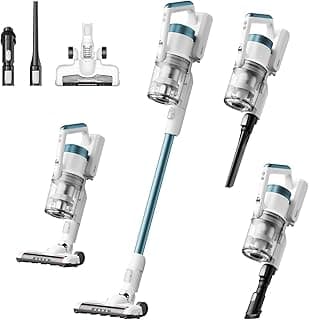
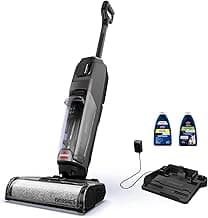
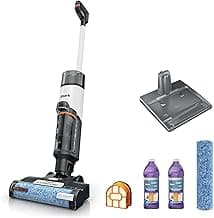
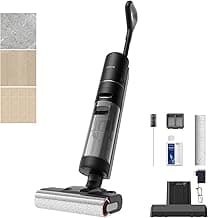
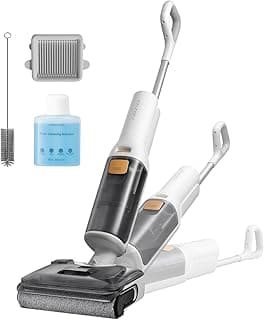
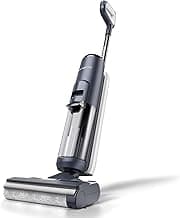
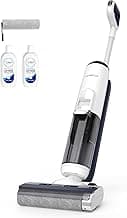
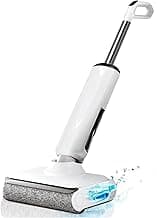
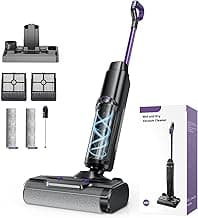
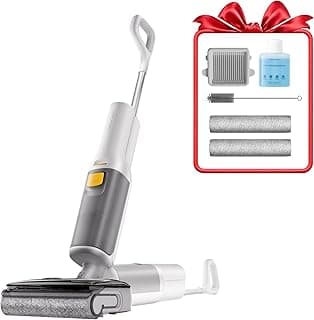
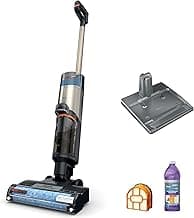
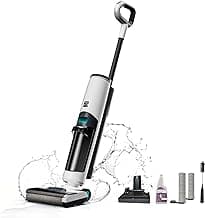
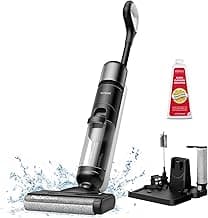
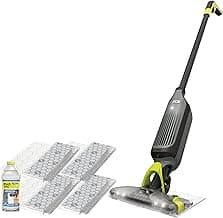
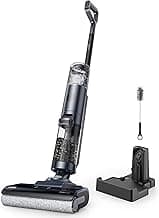
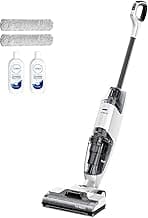
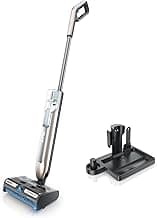
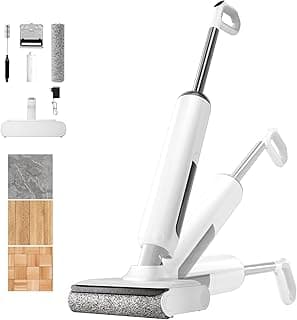
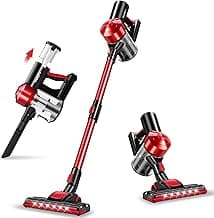
Five years ago, cordless wet-dry vacuum-mops existed primarily as expensive experiments—promising technology hampered by inadequate batteries, questionable build quality, and that distinctive feeling of using first-generation products where every feature represents compromise. Manufacturers rushing to market created equipment that technically worked while practically disappointing anyone hoping to replace traditional cleaning tools with single wireless solution.
Now the technology has matured. The best cordless wet dry vacuum mop models deliver genuine capability—not just marketing promises—through better battery chemistry, refined engineering, and manufacturers learning from early adoption failures. But "mature technology" doesn't mean "perfect for everyone." These devices solve specific problems brilliantly while creating new constraints users must accept. Understanding which problems you're actually trying to solve determines whether this technology category represents liberation or expensive complication.
The Three-Function Convergence: What's Actually Integrated
Traditional floor care involved sequential steps: vacuum dry debris, then mop with water and cleaning solution, then either squeegee/vacuum liquid residue or wait for air drying. Three separate activities, three different tools (or retrieving same mop repeatedly), and time gaps between steps while surfaces dry enough for safe traffic. Cordless wet-dry vacuum-mops compress this into continuous operation—vacuuming debris while simultaneously applying cleaning solution and extracting dirty water in single pass.
This integration matters most for homes where spills and solid debris coexist constantly. Kitchen floors exemplify perfect use case: crumbs under high chair plus juice puddle near refrigerator plus tracked-in dirt at door. Traditional approach requires sweeping/vacuuming entire area before mopping can address wet messes. Wet-dry vacuum-mops handle both contamination types simultaneously—grab tool, clean everything in one motion, done. For busy households managing perpetual small messes rather than scheduled whole-home cleaning, this consolidated approach transforms reactive cleaning from multi-step project into immediate response.
However, "wet-dry" doesn't mean equipment handles standing water like shop vacuums. These devices manage moisture from their own cleaning solution dispensing plus incidental spills—not flooded basements or major water events. The extraction capability removes the moisture they apply during cleaning, leaving floors slightly damp rather than soaking wet. Understanding this limitation prevents gifting equipment to recipients expecting flood cleanup capability when reality involves maintaining already-dry floors rather than recovering from water damage.
The cordless dimension adds mobility freedom but introduces battery constraints affecting both vacuum suction and water heating/pumping systems simultaneously. Every function drains the shared battery—meaning runtime calculations become complex. That "45-minute battery life" specification? Expect 20-30 minutes of actual wet-dry operation when all systems run concurrently. For gift selection, understanding recipient's home size relative to realistic runtime prevents disappointment when equipment requires mid-clean recharging in spaces exceeding single-charge capacity. When considering thoughtful practical gifts, matching technology capabilities to actual use scenarios separates helpful from frustrating.
Who This Technology Actually Serves
All-hard-floor apartment dwellers: Small spaces (under 1,000 square feet) with tile, vinyl, or sealed floors throughout. These users benefit maximally from consolidated equipment while facing minimal cordless limitations. Daily quick-cleaning maintains floors better than less-frequent traditional deep cleaning. For friends in studios or one-bedrooms managing limited storage, single-tool solutions eliminating multiple equipment types prove genuinely valuable rather than just theoretically convenient.
Families with young children creating constant kitchen messes: Toddlers ensure something spills, drops, or tracks onto kitchen floors multiple times daily. Parents lacking time for formal cleaning sessions need immediate-response tools enabling mess cleanup during regular kitchen activity rather than waiting for dedicated cleaning time. The best wet dry vacuum mop for these situations lives wall-mounted in kitchen—always charged, always accessible, quick enough that using it feels effortless rather than like "doing chores."
Pet owners in hard-floor homes managing muddy paws: Dogs returning from outdoor time tracking moisture and dirt across floors. Traditional approach requires toweling dog, then sweeping/vacuuming, then mopping—by which time dog has crossed floors multiple times distributing mess further. Wet-dry vacuum-mops address both moisture and debris immediately, containing problems before they spread. This specific use case—reactive cleaning of combo wet-dry messes—represents ideal application of technology designed exactly for this scenario.
Older adults seeking simplified maintenance: Those managing physical limitations making traditional multi-tool, multi-step cleaning increasingly difficult. Single wireless tool eliminating equipment retrieval, cord management, and sequential operations enables continued independent home maintenance. However, equipment weight (10-15 pounds when water tank full) requires assessment ensuring recipients can comfortably handle loaded unit throughout cleaning sessions. For related accessibility considerations, explore age-appropriate cleaning solutions.
The Water Tank Engineering Challenge
Clean water tank capacity directly determines how much area cleans before refilling interruptions. Small tanks (0.5 liters) suit quick kitchen cleaning but frustrate whole-home attempts requiring multiple refills. Large tanks (1+ liters) enable broader coverage but add significant weight—full liter of water weighs 2.2 pounds beyond equipment base weight. The best cordless vacuum and mop balances capacity against comfortable handling weight rather than just maximizing tank size regardless of ergonomic impact.
Dirty water extraction tanks need larger capacity than clean tanks—extracted water includes dissolved dirt creating volume beyond just applied cleaning solution. Designs with inadequate dirty water capacity force mid-clean emptying even when clean solution remains available. This interruption proves particularly frustrating—watching machine stop because dirty tank filled while clean tank contains ample solution feels like poor engineering rather than natural limitation.
Two-tank systems separating clean and dirty water prevent cross-contamination traditional mopping creates through rewetting floors with increasingly dirty water. This hygiene advantage matters for households with crawling babies or anyone prioritizing actual sanitation over surface appearance. However, dual tanks complicate filling and emptying—two reservoirs requiring attention rather than single container. For recipients valuing simplicity over optimal hygiene, this added complexity might outweigh cleanliness benefits depending on priorities and household composition.
Tank accessibility and cleanability determine whether systems stay functional or develop odors and clogs through neglected maintenance. Tool-free tank removal, wide openings for cleaning access, and dishwasher-safe components enable maintaining equipment properly. For busy recipients, maintenance friction directly predicts long-term satisfaction—slightly less effective equipment cleaned consistently outperforms theoretically superior systems neglected because cleaning them feels burdensome.
Hard Floor Type Compatibility Matrix
Sealed tile, ceramic, and porcelain handle wet cleaning enthusiastically—these materials literally designed for moisture exposure. The best wet vacuum for tile floors can apply generous solution without surface damage concerns, making tile homes ideal candidates for wet-dry technology. Grout lines benefit particularly from moisture and mechanical scrubbing action impossible with dry-only cleaning methods.
Sealed hardwood tolerates controlled moisture but requires careful solution volume. Too much liquid risks seam penetration or finish damage over time. Quality wet-dry vacuums include adjustable solution flow—allowing reducing moisture application for hardwood while maintaining adequate wetness for effective cleaning. The best hardwood floor wet dry vacuum provides this control rather than single-setting operation forcing all-or-nothing moisture choices. For hardwood-specific guidance, reference dedicated hardwood floor solutions.
Laminate requires extreme moisture caution—excessive wetness at seams causes swelling and permanent damage. Wet-dry vacuums marketed for "all hard floors" sometimes apply too much moisture for safe laminate use. User controls reducing solution flow to minimum alongside manufacturer guidance specifically clearing laminate compatibility matter when gifting to recipients with this increasingly-common flooring type. For laminate households, explore laminate-appropriate options.
Unsealed wood, cork, bamboo—specialty surfaces requiring specific care—often fall outside wet-dry vacuum design parameters. These materials need minimal moisture applied by hand with extreme control impossible in automated dispensing systems. For recipients with delicate or specialty flooring, wet-dry technology might prove inappropriate regardless of quality—sometimes traditional tools provide better control than automation optimized for common resilient surfaces.
The Carpet Question: What "Wet-Dry" Doesn't Mean
Despite "wet-dry" terminology suggesting shop-vac-style versatility, these devices don't handle carpeted areas effectively. The wet cleaning function requires hard floor surfaces—carpet introduces fiber saturation issues and drying challenges equipment doesn't address. Homes with significant carpet coverage shouldn't consider wet-dry vacuum-mops as primary cleaning tools regardless of hard floor performance.
Area rugs on hard floors present mixed-surface challenges equipment handles poorly. Users must manually avoid rugs during wet-mopping mode or accept soaked rug edges requiring separate extraction or extended drying. For homes with numerous area rugs, this creates constant attention demands interrupting cleaning flow—remembering which surfaces tolerate wet cleaning versus requiring avoidance proves mentally taxing during what should be straightforward cleaning activity.
This carpet limitation makes wet-dry vacuum-mops excellent secondary tools for primarily hard-floor homes but poor primary cleaning solutions for mixed-surface households. For recipients with 60%+ carpet coverage, directing toward appropriate alternatives serves their actual needs better than gifting impressive-but-wrong-application technology. Understanding recipient's complete flooring composition prevents selecting equipment based on impressive features rather than actual suitability. Consider comprehensive multi-surface solutions when carpet represents significant home percentage.
Battery Reality Behind the Marketing Numbers
Manufacturers rate runtime using best-case scenarios—typically dry vacuuming on hard floors without brush roll engagement or water systems active. Actual wet-dry operation consumes dramatically more power: vacuum motor maintaining suction, brush roll rotating, water pump dispensing solution, potentially heating elements (models with warm water features), and dirty water extraction pump all drawing from single battery simultaneously. Real-world runtime typically runs 50-60% of advertised specifications.
Temperature affects battery performance significantly—cold storage conditions reduce available capacity noticeably. Equipment stored in unheated mudrooms or garages (common locations given water tank mess potential) delivers shorter runtime during winter months than summer conditions. This seasonal variation confuses users who attribute reduced performance to equipment failure rather than environmental factors affecting all lithium batteries predictably.
Battery degradation over 18-24 months reduces initial capacity by 25-40% depending on usage patterns and charging habits. Equipment initially covering whole apartment eventually requires mid-clean recharging without indicating malfunction—just battery aging users might not recognize as normal consumable wear. For gift recipients, communicating this expected degradation pattern prevents surprise and disappointment when equipment serving brilliantly initially gradually requires more frequent charging during its operational lifetime.
Fast-charging capability matters more for wet-dry devices than dry vacuums. Quick 2-hour recharge enables "clean kitchen during breakfast prep, charge during morning activities, clean bathroom before guests arrive" patterns impossible with 4-5 hour charge times. For recipients in larger homes where single-charge coverage proves inadequate, fast charging determines whether cordless proves practical or frustrating compared to unlimited-runtime corded alternatives.
When Corded Wet-Dry Makes More Sense
Homes exceeding 1,200 square feet of hard flooring face cordless runtime limitations regularly. Completing whole-home cleaning requires either mid-session recharging (breaking momentum and extending total cleaning time significantly) or multiple day segmented cleaning (reducing spontaneous whole-home session convenience). For these larger spaces, corded wet-dry vacuum-mops provide unlimited runtime enabling thorough single-session cleaning traditional to many users' preferences and schedules.
Commercial cleaning applications—rental property maintenance, small business owners managing facility cleaning, professional house cleaners—demand equipment reliability and runtime cordless technology can't yet match. Battery anxiety about mid-job failures proves professionally unacceptable. Corded commercial wet-dry systems deliver consistent performance throughout extended cleaning sessions without power concerns interrupting work or requiring charging infrastructure management.
Budget-conscious recipients benefit from corded designs costing $100-150 less than cordless equivalents with similar cleaning performance. Battery systems and charging infrastructure represent substantial manufacturing cost—saved entirely with corded designs. For practical recipients prioritizing function over wireless convenience, corded value propositions often serve better despite marketing emphasis universally favoring cordless benefits as if they're universally preferable across all use cases.
Technology serves people—not the other way around. When "advanced features" create more friction than they eliminate, simpler approaches prove more sophisticated than complexity.
The Fresh Water Heating Debate
Some premium models heat cleaning solution before dispensing—achieving better grease dissolution and enhanced sanitization through elevated temperature. This proves genuinely effective on kitchen floors facing cooking oil residue and stuck-on food particles. However, heating elements consume significant battery power reducing runtime substantially versus room-temperature solution systems. The performance benefit costs 30-40% runtime—meaningful trade-off requiring evaluation against recipient's actual cleaning challenges.
Warm water also increases moisture evaporation rates—floors dry faster after cleaning reducing slip hazards and enabling quicker room reentry. For households with young children or elderly members where fall prevention matters, this faster drying provides genuine safety benefit beyond just convenience. However, assessing whether this justifies runtime sacrifice and premium pricing requires understanding recipient's specific circumstances rather than assuming heated solution universally superior.
Cold water systems prove entirely adequate for most residential cleaning—removing visible dirt and maintaining floor appearance without temperature assistance. Unless recipient specifically struggles with grease or expresses interest in warm-water cleaning benefits, simpler room-temperature systems serve perfectly well at lower cost and extended runtime. Avoiding unnecessary feature complexity especially matters for gifts where user comfort with technology varies—simpler equipment gets used while complicated systems intimidate recipients into avoiding advanced features they paid premium receiving.
Self-Cleaning Systems: Maintenance Automation
Premium wet-dry vacuum-mops include self-cleaning cycles flushing internal water passages and brush rolls with fresh water—preventing odor development and reducing manual cleaning frequency. This automation proves valuable for users unlikely maintaining equipment consistently without built-in prompting. Docking stations run cleaning cycles automatically when equipment returns after use—requiring zero user attention beyond ensuring clean water reservoir stays filled.
However, self-cleaning systems add cost ($100-200 premium), complexity (more components potentially failing), and footprint (docking stations requiring floor space and electrical outlets). For recipients maintaining equipment properly regardless of automation, this expense funds features providing minimal value beyond what manual maintenance achieves. Honest recipient assessment informs whether automation justifies cost or whether simpler designs requiring manual attention serve adequately at lower price points.
Self-cleaning effectiveness varies dramatically between brands and models. Some truly clean thoroughly preventing odors and maintaining hygiene. Others perform token rinses providing psychological reassurance without genuinely addressing contamination buildup. User reviews mentioning "still developed smell despite self-cleaning" or praising "actually stays fresh" reveal which systems deliver advertised benefits versus which provide theater reassuring users while failing functionally.
The Brush Roll Design Question
Soft roller designs using microfiber or felt materials gently scrub while absorbing dirty solution. These prove ideal for sealed hardwood and delicate surfaces where mechanical aggression risks damage. However, soft rollers require frequent washing—they're essentially reusable mop heads accumulating dirt and bacteria requiring regular laundering for continued effectiveness and hygiene.
Hard bristle rollers provide more aggressive scrubbing suitable for textured tile and heavily soiled floors. They release dirt more readily than fabric rollers and rinse cleaner during self-cleaning cycles. However, hard bristles potentially scratch delicate floors and generate more noise during operation—tradecraft consideration for apartment dwellers or households with sleeping children during cleaning times.
Dual-roller systems combining soft front roller capturing debris with hard rear roller scrubbing represent premium engineering attempting best-of-both approaches. These cost more, weigh more, and complicate maintenance but theoretically deliver superior cleaning through specialized roles within single cleaning head. The best wet dry mop vacuum balances roller sophistication against weight, cost, and maintenance burden rather than just maximizing technical complexity regardless of practical impact.
When to Gift: Timing That Demonstrates Understanding
Moving into all-hardwood apartment: Relocating from carpeted space to hard floor-only environment creates immediate need for different cleaning approach. Previous equipment optimized for carpet proves inadequate. Housewarming gifts acknowledging specific new-home flooring while providing appropriate tools demonstrate attention beyond generic congratulations. This timing transforms practical tool into welcome support for their specific transition.
After baby arrives creating constant kitchen mess: New parents discover floor cleaning demands intensify dramatically with high chair meals and crawling babies putting everything in mouths. Traditional multi-step cleaning proves incompatible with unpredictable infant schedules. Quick-response cordless wet-dry tools enabling immediate mess cleanup between feedings and naps provide genuine daily relief. For related family support gifts, explore practical infrastructure for new parents.
When current cleaning routine clearly frustrates: Observing friend or family member constantly vacuuming then mopping same areas reveals sequential-tool burden creating abandonment risk. Gifting during visible frustration period provides solution to articulated challenge rather than presuming needs they haven't expressed. Recognition of their struggle validates frustration while offering concrete assistance matching their demonstrated cleaning patterns.
Pet adoption into hard-floor home: Dogs or cats joining households create immediate floor maintenance challenges—tracked litter, muddy paws, water bowl splashes, fur combined with spills. Wet-dry capability addressing both solid and liquid messes simultaneously proves immediately relevant. Timing gift to pet arrival acknowledges expanded cleaning demands their new family member creates while supporting their joy with practical tools rather than judgment about mess generation.
Storage Integration: Where This Equipment Lives
Wall-mounted charging stations positioning equipment vertically save floor space while ensuring consistent charging between uses. Visibility encourages frequent use—clean becomes "grab nearby tool" rather than "retrieve from distant closet." For wet-dry devices particularly, wall mounting also provides draining station for residual tank moisture preventing mildew development in stored units. This integrated approach proves essential rather than optional for successful long-term adoption.
However, wall mounting requirements create adoption barriers: suitable wall space near outlets, permission for mounting in rentals, willingness to drill holes, plumbing proximity for filling/emptying (ideally). These prerequisites prove prohibitive for some living situations despite wall storage advantages. Freestanding charging stations provide alternatives but consume valuable floor space and lack grab-and-go convenience wall mounting enables. Understanding recipient's actual installation realities prevents gifting equipment whose optimal use requires impossible infrastructure modifications.
Equipment footprint when stored matters—wet-dry vacuum-mops typically measure 12-18 inches deep due to water tank extensions. This depth exceeds thin stick vacuums occupying 4-6 inches, affecting whether equipment fits in corners or closets recipients envision using. Measuring specific storage locations before gifting prevents "doesn't fit where I planned storing it" disappointments creating long-term frustration with otherwise-excellent equipment simply not suiting recipient's spatial realities.
The Honest Limitation Discussion
Wet-dry vacuum-mops excel at maintenance cleaning—keeping already-clean floors clean through frequent light cleaning. They struggle with genuinely dirty floors requiring restoration rather than maintenance. Someone inheriting neglected rental or addressing post-renovation construction debris needs traditional deep-cleaning approaches before wet-dry maintenance can work effectively. This distinction matters—equipment serves ongoing cleanliness maintenance but doesn't substitute for initial deep cleaning establishing baseline cleanliness.
Grout cleaning proves mixed—surface soil removes well but deeply-stained grout requires dedicated treatments wet-dry systems don't provide. The mechanical brush action helps but doesn't replace specialty grout cleaners or occasional manual scrubbing addressing discoloration accumulated over years. Managing recipient expectations about grout improvement prevents disappointment when equipment maintains recently-cleaned grout beautifully but doesn't magically restore decade-old staining.
Sticky residue challenges equipment—syrup spills, pet accidents, adhesive residues require preliminary treatment before wet-dry systems handle them effectively. Built-in solution and mechanical action address normal soil but intense contamination overwhelms equipment designed for typical daily mess management. Including enzymatic cleaners or spot treatment products alongside equipment gift acknowledges these limitation while providing tools addressing extraordinary situations equipment wasn't engineered handling independently.
Price-Performance Tiers Decoded
Budget wet-dry vacuum-mops ($200-300) provide basic functionality—combined vacuum and wet mopping without heated water, self-cleaning, or sophisticated automation. These serve small spaces adequately but reveal compromises quickly under demanding use. For tight gift budgets or uncertain whether recipient will embrace technology, this tier enables experimentation without excessive investment creating obligation if equipment proves unsuitable despite good intentions.
Mid-range models ($350-500) represent sweet spot for most users—adequate battery capacity, reasonable tank sizes, reliable performance without flagship refinements. The best vacuum wet mop in this range delivers genuine capability upgrade over traditional tools for appropriate households while remaining gift-appropriate pricing for most relationships rather than excessive investment creating recipient discomfort receiving expensive presents.
Premium systems ($600-800) add heated water, self-cleaning automation, superior materials, extended warranties, and refined user experience. For recipients you know will maintain equipment properly and whose cleaning demands justify premium performance, this tier delivers maximum capability. However, calibrate pricing to relationship depth and recipient comfort receiving expensive gifts—sometimes mid-range equipment serves satisfaction better than flagship pricing creating awkwardness despite superior specifications.
Reading Between Review Lines
Runtime complaints in reviews reveal advertising-versus-reality gaps. "Only lasts 20 minutes despite 40-minute rating" reflects manufacturer testing under best conditions versus user experience under actual loads. Pattern recognition across multiple reviews revealing consistent runtime disappointments indicates product shortcomings rather than individual user error or unrealistic expectations.
Long-term reviews (6+ months) discussing odor development despite self-cleaning claims expose inadequate hygiene design. Equipment should stay fresh through built-in maintenance systems—when users report persistent smells despite following cleaning protocols, design proves inadequate for advertised purpose. These patterns indicate poor engineering rather than user maintenance failure.
Reviews mentioning specific floor types matching recipient's home provide most relevant performance data. "Great on tile" from tile-only user, "struggles on hardwood" from hardwood household—these specific contexts reveal whether equipment suits particular surfaces rather than general "works well" claims lacking specificity about actual flooring conditions tested. Filter reviews matching recipient's surface types for most relevant capability assessment.
The most impressive technology often proves less valuable than simpler tools matching how people actually live—impressive specifications matter less than compatible operation patterns.
Alternative Approaches When Wet-Dry Doesn't Fit
Quality cordless stick vacuum paired with spray mop costs less than wet-dry combo while potentially delivering superior performance for each function independently. This two-tool approach requires more storage but enables optimizing each tool for specific purpose rather than compromising both in integrated design. For recipients with adequate storage accepting sequential operations, this separation sometimes serves better than consolidation forcing compromises across both functions.
Robot vacuums handling dry debris maintenance plus manual mopping for periodic wet cleaning creates different division of labor—automation managing constant light debris while human attention handles less-frequent wet cleaning requiring judgment. This hybrid approach suits households valuing automation for routine tasks while accepting some activities benefit from human control. Consider robot vacuum options when automation appeals more than manual tool consolidation.
Traditional corded wet-dry vacuum-mops for scheduled whole-home cleaning plus cordless stick vacuum for quick daily maintenance provides layered approach serving different cleaning types appropriately. This requires higher budget and more storage but addresses complete cleaning needs better than forcing single tool serving all scenarios adequately but none excellently. Understanding recipient's complete cleaning patterns—not just theoretical preferences—informs whether single-solution or multi-tool approaches match actual behavior.
Maintenance Reality: The Unsexy Truth
Roller washing frequency—after every use or minimum weekly—determines whether equipment stays hygienic or develops bacteria and odor issues. Neglected rollers smell unpleasant and redistribute bacteria rather than cleaning. For recipients unlikely maintaining equipment consistently, self-cleaning systems provide better outcomes despite higher cost. However, even self-cleaning systems require periodic manual deep cleaning roller removal and scrubbing—automation reduces frequency but doesn't eliminate manual maintenance entirely.
Tank cleaning after each use prevents mold and bacteria growth in residual moisture. This 2-3 minute task post-cleaning determines whether equipment stays fresh or becomes unpleasant to use within weeks. Including tank cleaning supplies—specialized brushes, mild disinfectant, descaling solution for hard water areas—alongside equipment gift demonstrates understanding of complete ownership requirements beyond just purchase and initial use.
Filter maintenance parallels traditional vacuum upkeep—regular cleaning or replacement depending on design. Wet-dry systems face additional challenge from moisture exposure potentially degrading filters faster than dry-only equipment. HEPA filters prove particularly sensitive to moisture damage—requiring careful attention ensuring complete drying between uses preventing premature filter failure or reduced effectiveness from water exposure compromising filtration material integrity.
The Environmental Consideration
Wet-dry systems using water and cleaning solution potentially reduce chemical usage versus spray-and-wipe approaches where users apply excessive product attempting adequate cleaning. Built-in solution dilution at proper ratios prevents the "just pour more cleaner" overuse common with manual application. However, disposable cleaning pads some systems use create waste streams that washable roller designs avoid—environmental impact varies dramatically based on specific consumable model chosen.
Battery disposal at end-of-life creates electronic waste concerns—lithium batteries require proper recycling rather than landfill disposal. Manufacturer take-back programs or local electronics recycling availability matters for environmentally-conscious recipients. Choosing brands with established battery recycling programs demonstrates environmental values alignment beyond just purchase-moment considerations.
Equipment longevity versus disposability patterns vary by brand—some designs support repairs and parts replacement enabling decade-plus service lives, others effectively disposable after 3-4 years when batteries degrade and replacements prove unavailable or cost-prohibitive. For sustainability-focused recipients, researching manufacturer support policies and parts availability informs whether equipment represents long-term investment or planned obsolescence despite premium initial pricing.
The Complete Picture: Integration Versus Specialization
Wet-dry vacuum-mops represent integration philosophy—consolidating multiple functions accepting compromises across all for convenience benefits and storage savings. This approach succeeds when integration benefits outweigh individual function performance compared to specialized tools. For small spaces where storage constrains equipment ownership, integration proves genuinely valuable. For larger homes with adequate storage, specialized tools often serve better despite requiring more space and sequential operations.
Understanding recipient's actual priorities—convenience versus performance, storage constraints versus cleaning outcomes, quick responsive cleaning versus scheduled thorough sessions—determines whether integrated wet-dry systems or separated specialized tools serve better. Neither approach universally superior across all situations—success requires matching tool philosophy to user preferences and living circumstances rather than assuming integration always represents progress over separation.
The best gifts solve problems recipients actually experience rather than problems marketing suggests they should have. Wet-dry vacuum-mops brilliantly solve specific daily quick-clean challenges for appropriate households while proving frustrating purchases for recipients whose cleaning patterns or home characteristics don't align with equipment's optimized use cases. This honest assessment serves gift selection better than enthusiasm about impressive technology regardless of actual fitness for recipient's real situations and needs.
Success Metrics: What Actually Matters
Success isn't recipient excitement during unboxing—it's sustained equipment use six months later. Does equipment remain wall-mounted and accessible or migrate to closet depths suggesting disuse? Do floors show consistent cleanliness or does visible neglect indicate equipment proved incompatible with recipient's actual cleaning patterns despite impressive capabilities? These behavioral indicators reveal gift success more accurately than immediate enthusiasm expressions.
Positive signs include: reduced overall cleaning time through consolidated approach, more frequent floor maintenance creating visibly improved cleanliness, enthusiastic reports about convenience compared to previous multi-tool approach. Negative signs include: complaints about specific limitations discovered through use, equipment stored inaccessibly suggesting abandonment, return to previous cleaning tools indicating wet-dry system proved inadequate for actual needs despite purchase.
For uncertain gift situations, providing gift receipt explicitly enables exchange if equipment proves mismatched: "If this doesn't work perfectly for your space, exchange it for something that does." This flexibility reduces recipient obligation feeling compelled to use unsuitable equipment rather than admitting misfit. Gift-giving serves recipients—not giver's ego—enabling perfect-fit tool acquisition matters more than original selection vindication regardless of research quality and good intentions behind initial choice.
Gifts are for making an impression, not just for the sake of it.
GiftsPick - Meticulous, Kind, Objective.