
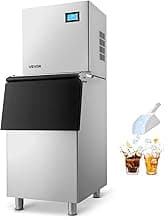
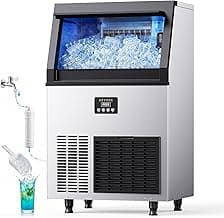
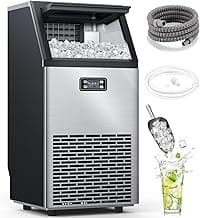
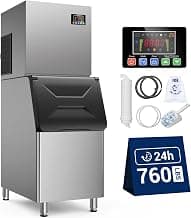
The Engineering Behind Best Commercial Ice Machine Reviews
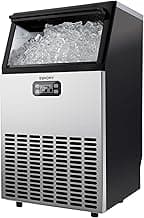
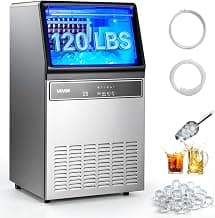
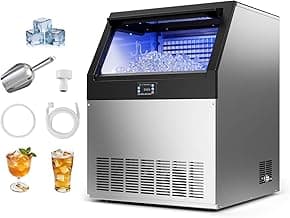
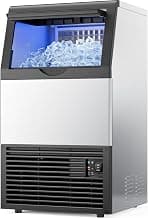
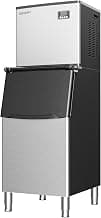
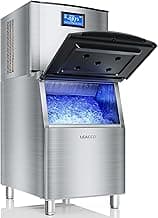
From a mechanical engineering perspective, the value of a commercial ice machine lies in its refrigeration cycle efficiency. A standard domestic ice maker might produce 20 to 30 pounds of ice per day, but its "recovery time"—the time it takes to replace ice once the bin is emptied—is often its downfall. In contrast, the models frequently highlighted in best commercial ice machine reviews utilize heavy-duty compressors and oversized condenser coils. These components ensure that the latent heat of fusion is removed from the water at a significantly faster rate, allowing for production capacities that often exceed 100 pounds per day even in entry-level professional units.
When considering best gift ideas for housewarming for a friend moving into a large estate, a professional-grade machine offers a "Buy It For Life" (BIFL) reliability that plastic-clad consumer units simply cannot match. The internal architecture of these machines typically features stainless steel evaporators, which are far more resistant to the corrosive effects of mineral-heavy water than the nickel-plated versions found in cheaper alternatives.
Gifting tech is about more than specifications; it is about upgrading the recipient's window to the digital world, ensuring every frame is a testament to quality.
Analyzing Ice Types and Their Practical Applications
One cannot discuss best commercial ice machine reviews without categorizing the specific type of ice produced. The physical properties of the ice—its density, melt rate, and surface area—dictate its intended use. For instance, "clear ice" is the gold standard for mixology because its lack of impurities and air bubbles leads to a slower melt rate, preventing the dilution of high-end spirits. On the other hand, "nugget ice" or "pebble ice" is prized for its chewable texture and its ability to absorb the flavor of the beverage.
| Ice Type | Physical Property | Best Use Case | Commercial Advantage |
|---|---|---|---|
| Full Cube | High Density, Low Surface Area | Bulk Cooling, Banquets | Slowest melt rate; maximum displacement in glass. |
| Nugget/Pebble | Porous, Soft, Chewable | Healthcare, Soda, Specialty Coffee | High customer satisfaction; flavor absorption. |
| Flake | Small, Irregular Shards | Food Displays, Therapy | Highly packable; rapid cooling for perishable goods. |
For those looking for a specific gift for a "chewy ice" enthusiast, searching for the best countertop nugget ice maker might yield results that bridge the gap between home convenience and commercial performance. However, if the recipient requires a constant, massive supply for a small business or frequent large-scale entertaining, investing in a dedicated best commercial nugget ice machine ensures they never run out during peak demand.
The BIFL Philosophy: Hidden Costs and Maintenance Empathy
A true expert analysis must address the "hidden costs" of ownership that marketing brochures often ignore. Any machine that handles water is subject to scale buildup—the crystallization of calcium and magnesium on sensitive internal components. When evaluating the best commercial ice machines, one must prioritize units with accessible cleaning cycles and modular parts. A machine that cannot be easily disassembled for descaling is a machine destined for a landfill in 24 to 36 months.
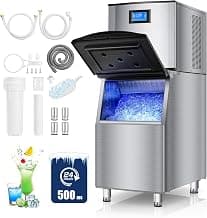
When providing a gift of this magnitude, it is also wise to consider whats a good housewarming gift amount in terms of long-term maintenance. High-quality commercial units often require an external water filtration system to protect the warranty and the compressor. If you are gifting a unit from a best buy ice machine list, including a professional-grade filter kit is a thoughtful addition that shows true empathy for the recipient's future maintenance efforts. This ensures the gift remains a blessing rather than a logistical burden involving frequent repairs.
Commercial Versatility for Diverse Environments
The application of these machines extends beyond the kitchen. In corporate settings, a reliable ice source is often overlooked. If you are debating what is a good corporate swag gift for a partner or a client, perhaps moving away from small trinkets and toward a communal office upgrade—like a high-end ice dispenser—is the more impactful choice. It serves as a daily utility that enhances the workplace environment. Similarly, as best thank you gifts for friends who have hosted you for an extended period, a specialized ice machine represents a significant token of appreciation that honors their hospitality.
Gifting tech is about more than specifications; it is about upgrading the recipient's window to the digital world, ensuring every frame is a testament to quality.
Frequently Asked Questions About Commercial Ice Machines
Are commercial ice machines much louder than home models?
Yes, commercial units generally produce higher decibel levels due to more powerful compressors and heavy-duty cooling fans. While a residential unit might operate at 40-45 dB, a commercial air-cooled unit can reach 55-65 dB. For indoor residential use, looking for models with remote condensers or specialized acoustic insulation is recommended to maintain a comfortable living environment.
Do I need a floor drain for a commercial ice machine?
In almost all cases, yes, a floor drain or a dedicated condensate pump is required for commercial-grade ice machines. Because these units use "gravity drainage" for the meltwater in the storage bin (which is typically not refrigerated to prevent ice clumping), a constant stream of wastewater must be managed. Failure to provide a proper drainage solution will lead to standing water and potential health code violations or property damage.
Is an air-cooled or water-cooled machine better for a gift?
Air-cooled machines are generally the better gift choice because they are easier to install and more cost-effective to operate. Water-cooled machines require a constant flow of water to cool the condenser, which can lead to astronomical utility bills and is actually prohibited in many municipalities with water conservation laws. Air-cooled units only require adequate clearance for airflow to function efficiently.
How often does a commercial ice machine actually need cleaning?
A commercial machine requires a deep chemical cleaning and sanitization every six months at a minimum. In environments with high yeast (like bakeries or breweries) or very hard water, this frequency may need to increase to every three months. Neglecting this cycle will result in decreased ice production, higher energy consumption, and eventually, total compressor failure due to scale-induced overheating.
In conclusion, the best commercial ice machine reviews highlight a tier of products that transform the act of serving a drink into a professional experience. By focusing on mechanical durability, ice quality, and ease of maintenance, you can select a gift that serves as a cornerstone of hospitality for years to come.