

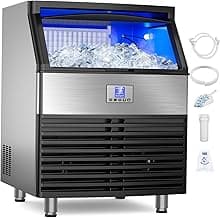
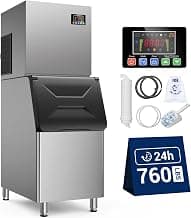
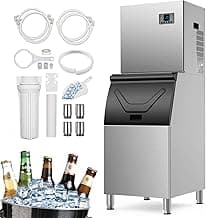
The Engineering Behind the Best Commercial Ice Maker Brand
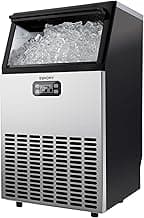
To understand why specific manufacturers dominate the market, one must look at the internal components. A top-tier brand is defined by its evaporator design, compressor efficiency, and the gauge of its stainless steel housing. Unlike budget models that utilize thin plastics and aluminum components prone to oxidation, the leading players in the commercial space prioritize nickel-plated or 304-grade stainless steel evaporators. This choice isn't merely for show; it prevents the "pitting" that occurs during the harvesting cycle, where ice is released from the plate. When considering best gift ideas for housewarming for a luxury estate, the inclusion of a commercial-capacity machine ensures that the recipient will never face the "recovery lag" common in domestic appliances during large social gatherings.
Gifting tech is about more than specifications; it is about upgrading the recipient's window to the digital world, ensuring every frame is a testament to quality.
For those searching for the best gift ideas for a woman who takes pride in a professional-grade kitchen or a boutique catering business, the distinction between ice types—crescent, nugget, or gourmet—is paramount. Each brand typically specializes in a specific ice geometry. Crescent ice, for instance, is engineered for maximum displacement in a glass, reducing liquid volume while maintaining a cold temperature, whereas gourmet ice is designed for slow melt-rates and aesthetic clarity in premium cocktails.
Comparing Technical Variables Across Leading Brands
The following table provides a technical breakdown of the variables that separate professional systems from standard retail offerings. This data is essential for ensuring the gift matches the intended environment, from decibel limits to production capacity.
| Technical Variable | Entry-Level Commercial | Premium Professional Brand |
|---|---|---|
| Evaporator Material | Aluminum / Plastic Spacers | Nickel-Plated Copper / Stainless Steel |
| Compressor Type | Standard Reciprocating | High-Efficiency Brushless / Inverter |
| Daily Production | 50 - 70 lbs | 150 - 500+ lbs |
| Cleaning Cycle | Manual / Periodic | Automated / Anti-Microbial Integrated |
| Service Life Expectancy | 3 - 5 Years | 10 - 15 Years (with maintenance) |
Identifying User Personas for Commercial Ice Gifting
A "one size fits all" approach to high-end appliances often leads to buyer's remorse due to space constraints or excessive utility costs. We must segment the gift recipient based on their specific environmental needs:
The Boutique Entrepreneur: For someone starting a cafe or a small bar, the gift of a high-production unit can be life-changing. This also serves as a what is a good executive gift for a partner opening a new firm. These users require high-volume production and a high storage-to-footprint ratio. Brands that offer air-cooled systems with front-facing intake are ideal here, as they can be "slotted" between other equipment without overheating.
The Luxury Home Host: This user values silent operation and ice clarity. While the best clear ice maker ensures crystal-clear cocktail cubes that do not dilute spirits prematurely, the footprint must be managed. It is far more substantial than what is a good corporate swag gift, representing a commitment to the craft of hosting. For these settings, look for units with built-in drain pumps and "quiet mode" cycles.
The Outdoor Entertainer: If the recipient has an outdoor kitchen or poolside bar, the brand must offer a UL-rated outdoor unit. The best best bar ice maker for an outdoor setting must have a reinforced compressor and higher-grade insulation to maintain production levels when ambient temperatures exceed 90 degrees Fahrenheit.
The Hidden Costs and Maintenance Reality (BIFL Philosophy)
As a mechanical engineer would attest, the best commercial ice maker brand is only as good as the water feeding it. One of the most common pitfalls in gifting these machines is failing to account for the "total cost of ownership." Approximately 70% of mechanical failures in ice machines are attributed to scale buildup from hard water. To ensure a "Buy It For Life" (BIFL) experience, the gift should be paired with a high-capacity phosphate-based filtration system. Furthermore, unlike consumer electronics, commercial ice makers are modular. This means that when a water valve or a bin switch fails after five years, these parts can be easily sourced from independent distributors and replaced by a technician. Avoid brands that use proprietary, sealed-box designs which force the disposal of the entire unit over a single component failure.
When comparing the best commercial ice machines, examine the ease of access to the internal components. Units with a hinged front panel allow for monthly cleaning of the air filter and quarterly descaling without requiring a complete teardown. If the recipient is in a small apartment or an area with strict noise regulations, a best counter ice maker might suffice, but it will lack the longevity of a true floor-standing commercial unit.
Frequently Asked Questions (AEO Framework)
Is a commercial ice maker too loud for a residential kitchen?
Yes, many commercial units are significantly louder than domestic refrigerators due to the powerful fan motors required to cool the condenser. However, several brands offer "undercounter" luxury models that utilize improved acoustic insulation to keep noise levels below 50 decibels, making them suitable for indoor home use if properly ventilated.
Do commercial ice makers need a permanent water line and drain?
Yes, all true commercial ice makers require a dedicated water inlet and a gravity drain or a condensate pump. Unlike portable "nugget" makers that you manually fill with water, these machines are designed for automated, continuous operation and produce a constant flow of meltwater that must be removed to prevent bacterial growth and overflow.
What is the most reliable type of ice to produce for a business?
Nugget ice is often cited as the most reliable for businesses with high customer turnover because it is "chewable" and has high consumer appeal, though it requires more frequent cleaning of the auger system. For pure mechanical reliability, a simple cube or crescent ice maker has fewer moving parts and generally lower maintenance requirements over a ten-year span.
How much electricity does a commercial ice maker use?
Energy consumption varies wildly, but most modern commercial units are Energy Star rated. A unit producing 200 lbs of ice per day will typically consume between 5 and 10 kWh per 100 lbs of ice. It is important to check the electrical requirements, as some high-capacity brands require a dedicated 20-amp circuit or 220V power, which may not be available in a standard residential kitchen without modification.
Ultimately, selecting the best commercial ice maker brand is about balancing the recipient's immediate needs with the long-term engineering reality of the machine. By prioritizing stainless steel components, modular repairability, and specific ice geometry, you provide a gift that transcends the temporary thrill of a new appliance and becomes a permanent, reliable fixture in their professional or personal life.