

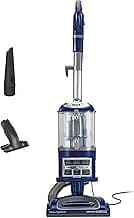
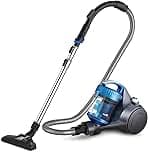
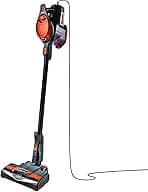
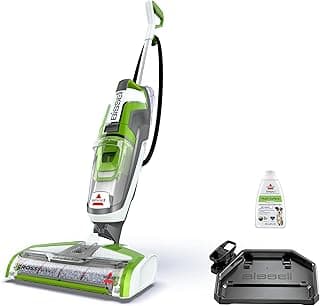

Why Concrete Destroys Standard Vacuum Equipment
Concrete dust particle size ranges 0.5-10 microns—finer than household dust penetrating standard vacuum filters, working into motor housings, and coating internal components creating premature failures manufacturers never intended warranty covering because equipment faced contamination beyond residential design parameters assuming dust means skin cells and fabric fibers not pulverized rock creating abrasive environment destroying motors and bearings through sustained exposure.
Silica content proves genuinely harmful—crystalline silica from concrete causing silicosis when inhaled repeatedly, making proper filtration mandatory not optional for workshop and garage cleaning. Standard bagless vacuums recirculating fine dust back into air defeat cleaning purpose creating worse indoor air quality than not vacuuming when particles too fine seeing become airborne creating respiratory exposure you're attempting preventing through cleaning effort.
Concrete surface texture proves abrasive—rough unsealed concrete grabbing vacuum wheels creating resistance and wearing components, while porous surface holding contamination requiring aggressive suction pulling debris from texture standard smooth-floor optimization can't extract adequately. The surface characteristics demand different engineering approach than polished hardwood or tile optimization standard residential equipment receives during design.
Temperature and humidity extremes stress equipment—unheated garages and basements experiencing temperature swings from freezing winter to summer heat plastic components weren't designed tolerating. The environmental stresses compound contamination challenges creating failure modes warranty departments dismiss as "misuse" when reality involves normal operation in conditions millions of homeowners face daily in spaces manufacturers apparently forgot existed.
The best concrete floor vacuum anticipates these challenges through commercial-grade construction, proper filtration preventing motor contamination, and materials tolerating environmental extremes attached garage spaces create regardless of home's climate control extending to primary living areas but stopping at garage door leaving workshop space experiencing outdoor conditions with indoor expectations about equipment survival.
Understanding "Concrete Dust" vs General Dirt
Fresh concrete generates alkaline dust—pH around 12-13 proving corrosive to some materials and irritating to skin and respiratory system. New basement floors, fresh garage coatings, or construction/renovation projects generate dust composition differing from aged sealed concrete where contamination sources shift toward tracked-in dirt, project debris, and general accumulation rather than concrete breakdown itself.
Aged concrete releases aggregate dust—as surface wears from foot traffic, vehicles, and dragged equipment, small rock particles from concrete aggregate become loose creating heavy dense debris requiring strong suction preventing just pushing around versus actually collecting. The weight and hardness of aggregate dust stresses vacuum motors beyond what lightweight household dust creates through sustained operation.
Coating/sealer breakdown creates plastic particles—epoxy or sealer-coated concrete floors eventually wear generating plastic-composite dust mixing with concrete particles creating contamination cocktail proving particularly problematic for vacuum filters designed around biological household dust assumptions not applicable to industrial-type contamination garage and workshop use generates regardless of residential rather than commercial building classification.
Workshop projects compound contamination—metal shavings from machining, wood dust from carpentry, drywall dust from renovation mixing with concrete dust creating multi-material challenges requiring versatile equipment handling varied debris types rather than optimized single-contamination residential designs assuming relatively uniform household dust composition across all applications and uses.
Who Faces Concrete Floor Cleaning Reality
Homeowners with unfinished basements: Those using basement for storage, laundry, utilities discovering concrete dust accumulation requiring regular cleaning maintaining acceptable conditions despite space serving utilitarian rather than living purposes. The cleaning proves necessary for air quality affecting whole house when HVAC pulls basement air into circulation distributing concrete dust throughout home despite basement remaining unfinished.
Garage workshop owners: Hobbyists woodworking, metalworking, automotive work generating project debris requiring cleanup maintaining usable space between projects. The contamination intensity and diversity exceeds what household vacuums handle—sawdust, metal filings, oil spills, and concrete dust creating cleaning demands requiring appropriate equipment surviving this environment.
Contractors and tradespeople: Professionals using garage or dedicated space for tool storage and light fabrication needing to maintain clean workspace for client visits, equipment maintenance, and general professional operation standards. The equipment proves business tool enabling sustained professional presentation rather than household convenience making different investment justification and durability requirements versus casual homeowner use.
Warehouse and light industrial: Small business operators managing spaces with concrete floors requiring regular cleaning maintaining acceptable working conditions and meeting basic cleanliness standards customers or employees expect regardless of industrial rather than office environment. The scale and intensity demand commercial equipment but budget constraints might attempt stretching prosumer options into commercial applications they'll barely survive. For those considering practical gifts for men building workshop spaces or thoughtful presents for women managing facilities, understanding these demands prevents gifting inadequate residential equipment for industrial applications.
Shop Vacuums vs Industrial Uprights: The Equipment Divide
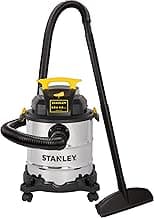
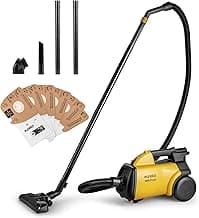
Shop vacuums prove standard concrete floor solution—cylindrical tanks, powerful motors, and simple construction tolerating abuse residential equipment can't survive. These range from $50 budget homeowner models to $300 professional contractor units delivering genuine durability and performance differences justifying 6x price premium through years of sustained commercial use versus months of light residential application budget units barely survive.
However, shop vacuums prove unwieldy for large area cleaning—dragging hose and canister around workspace creating trip hazards and workflow interruption making thorough cleaning feel like project rather than routine maintenance. The form factor optimizes for localized mess cleanup—sawdust around table saw, metal shavings by drill press—rather than comprehensive floor cleaning covering entire garage or basement systematically.
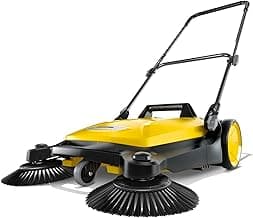
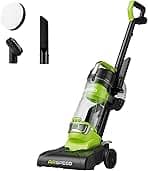
Industrial upright vacuums deliver better area coverage—push-mop motion covering floor space efficiently without hose management. However, these prove expensive ($400-1000+) and overkill for residential applications unless managing commercial space or obsessive about garage cleanliness most people don't maintain. The form factor makes sense for daily commercial cleaning but proves excessive for weekly or monthly residential garage maintenance most homeowners actually perform.
The best vacuum concrete floors for most residential applications proves quality mid-range shop vacuum—adequate power, acceptable filtration, and form factor handling both spot cleanup and occasional area cleaning without extreme specialization optimizing single application while compromising versatility workshop and garage spaces demand through varied contamination types and cleaning scenarios encountered.
Filtration: Why It Matters More Than You Think
Standard filters prove inadequate for concrete dust—allowing fine particles passing through filter damaging motor or recirculating into air creating respiratory exposure. HEPA filtration becomes mandatory not optional when regular concrete dust exposure occurs through workshop or garage use generating silica-containing particles OSHA protects workers from but homeowners ignore until health consequences manifest years of cumulative exposure later.
Multi-stage filtration separates debris sizes—pre-filter catching large debris preventing filter clogging, primary filter capturing fine particles protecting motor, and HEPA stage removing respirable dust from exhaust. This layered approach extends filter life while maintaining protection versus single-stage designs clogging rapidly or allowing contamination bypassing inadequate single filtration barrier.
Filter maintenance costs accumulate—HEPA filters costing $20-50 each requiring replacement every 3-6 months under heavy concrete dust exposure creates ongoing operational expense some users don't anticipate purchasing equipment. A $200 vacuum plus $100 annual filter costs over three years totals $500 actual ownership expense significantly exceeding headline purchase price users compare when shopping without considering total cost of operation.
However, attempting extending filter life through neglecting replacement proves false economy—clogged filters reducing suction making cleaning inadequate while motor works harder potentially causing premature failure costing more than timely filter replacement would have. The maintenance discipline separates successful long-term equipment ownership from premature failures users blame on equipment quality when maintenance neglect proved actual failure cause. For comprehensive filtration understanding, reference HEPA system details explaining filtration technology applications.
Wet-Dry Capability: Essential or Optional?
Concrete floors face liquid spills—oil, coolant, water, paint creating wet messes alongside dry dust making wet-dry capability valuable rather than frivolous feature. The versatility handling both spill response and routine cleaning with single tool justifies slight premium versus dry-only designs requiring separate equipment addressing liquid problems when they inevitably occur in workshop or garage environments.
However, wet-dry switching proves tedious—removing dust filter before wet pickup, emptying tank completely before switching modes, and general workflow interruption making quick spill response feel complicated when you're mid-project wanting immediate cleanup without equipment reconfiguration. Some users keep separate wet and dry vacuums avoiding mode-switching hassle through dedicated equipment for each application.
Wet pickup introduces maintenance burden—thorough drying after wet use prevents mold growth and corrosion in tank and hose. This attention requirement exceeds dry-only maintenance creating ownership complexity some users find excessive versus benefit delivered when wet spills occur infrequently enough that alternatives like mops and absorption prove adequate without wet vacuum capability.
Corded Power vs Cordless Convenience on Concrete
Corded shop vacuums deliver unlimited runtime and maximum power—critical for thorough garage or large basement cleaning requiring sustained operation. The 25-foot cord typical on quality units enables covering most residential garage from single outlet without repositioning providing adequate range without cordless complexity and limitations battery power creates.
However, cord management proves annoying—catching on tools, workbenches, and vehicles creating workflow interruption during cleaning. The constant awareness managing cord without driving over it or yanking equipment pulling cord from wall outlet makes cordless appeal obvious despite performance compromises battery operation creates versus unlimited corded power.
The best cordless vacuum for concrete floors faces severe challenges—heavy debris and sustained operation demands exhausting battery capacity rapidly. Runtime proving adequate for 800 square foot home becomes inadequate for similar-sized garage when concrete dust and workshop debris require more suction power drawing more current reducing effective coverage per charge versus optimistic manufacturer specifications based on light household dust testing.
Battery degradation compounds over time—cordless vacuum initially covering whole garage might manage only partial cleaning after 18-24 months as battery capacity declines. For workshop and garage applications specifically, corded proves more reliable choice despite convenience sacrifice unless you're willing accepting cordless limitations and eventual battery replacement costs maintaining adequate performance. When exploring versatile options, consider multi-surface capabilities if concrete proves just one of several floor types requiring attention.
Tank Capacity and Emptying Frequency
Small 4-6 gallon tanks prove inadequate for workshop cleaning—filling rapidly requiring multiple emptying interruptions during single garage cleaning session. The constant interruption discourages thorough cleaning when task repeatedly interrupted becomes annoying enough that users start cutting corners accepting partially-cleaned floor versus completing proper job requiring excessive tank management.
Larger 12-16 gallon tanks enable completing typical residential garage in single session—reducing interruption improving cleaning sustainability by making task feel manageable rather than endless project. However, larger tanks create weight when full—16 gallons of concrete dust and debris weighing substantial amount requiring strength emptying into trash without spilling or creating dust clouds re-contaminating space you just cleaned.
Tank accessibility determines emptying ease—top-mounted tanks requiring lifting entire vacuum dumping contents versus bottom-drain tanks where debris flows out through large door without lifting tank. The ergonomic difference matters when emptying frequently—easy emptying encourages thorough cleaning and frequent maintenance while difficult emptying creates avoidance where users defer cleaning or accept partially-full tanks they should empty but avoid because process proves annoying.
Industrial-grade doesn't mean expensive—it means engineered for abuse, heavy contamination, and sustained use that destroys residential equipment through normal operation in environments it was never designed serving.
Noise Levels in Garage and Workshop Spaces
Shop vacuums generate 75-85 decibels—loud enough requiring hearing protection during extended use but tolerable for brief cleaning sessions most residential users perform. However, garage acoustics amplify sound—hard surfaces and lack of sound-absorbing materials making shop vacuum operation feel significantly louder than specifications suggest when tested in acoustic chambers rather than reverberant concrete boxes most garages prove acoustically.
Noise impacts neighbors in attached garages—early morning or late evening cleaning disturbing neighbors sharing walls makes timing consideration requiring restricting cleaning to mid-day hours potentially conflicting with when you actually want performing maintenance. This social dimension affects practical usability beyond just personal tolerance for equipment noise during operation.
However, attempting quieter operation usually compromises suction—noise correlates with motor power and airflow meaning genuinely quiet shop vacuums typically prove inadequate for heavy concrete dust and debris workshop applications generate. The trade-off between acceptable noise and adequate performance forces choosing which matters more when optimization proving impossible within consumer equipment design and budget constraints.
Hose and Attachment Considerations
Hose diameter affects suction and capacity—1.25" residential hoses proving inadequate for heavy debris clogging easily while 2" or 2.5" shop vacuum hoses handle metal shavings, wood scraps, and aggregated debris without constant clog clearing. However, larger hoses prove bulkier storing and more awkward maneuvering making everyday usability trade-off against superior capacity handling worst-case contamination scenarios.
Hose length determines reach—standard 6-8 foot hoses requiring equipment repositioning frequently covering large garage while 10-12 foot hoses enable cleaning from central position reducing movement. However, longer hoses reduce suction through increased friction and create more coiling and storage challenges making appropriate length dependent on your specific space dimensions rather than universal longer-is-better assumption.
Crevice tools and floor nozzles prove essential—bare hose end works for heavy debris pickup but proves inefficient for floor cleaning where proper nozzle creates better seal and debris agitation improving collection. Quality shop vacuum sets include multiple attachments serving different applications though many users never utilize comprehensive attachment sets preferring one or two favorites matching their most common cleaning scenarios.
When Budget Forces Compromise
Entry-level shop vacuums ($50-100) provide basic capability—adequate suction for light use but questionable longevity under sustained workshop operation. These serve homeowners performing occasional garage cleaning or light project cleanup accepting potential replacement every 2-3 years versus investing premium for longer-term durability use intensity doesn't necessarily demand or justify financially.
Mid-range options ($150-250) deliver genuine capability—adequate power, acceptable build quality, and filtration supporting regular workshop use. The best vacuum for cement floors in residential applications typically occupies this tier balancing performance with accessibility creating value proposition serving most homeowners without premium features proving marginal improvement for casual rather than professional daily intensive use.
Professional-grade shop vacuums ($300-600) target contractors—exceptional durability, maximum suction, and features like automatic filter cleaning or tool-activated operation justifying premium through sustained commercial use generating return on investment that residential users won't realize unless they're extremely active hobbyists basically running home business from workshop space.
For gift contexts, mid-range proves safest—adequate quality without excessive investment potentially creating recipient discomfort receiving expensive gifts. Budget alternatives prove false economy when premature failure requires replacement while premium proves overkill for most recipients unless you know their use intensity justifying commercial-grade investment. Related workshop support explored in practical milestone gifts addressing various life situations.
Sealed Concrete vs Unsealed: Different Cleaning Challenges
Unsealed concrete proves most problematic—porous surface allowing contamination penetration and continuous dust generation as surface breaks down through traffic and use. The cleaning challenge involves both surface debris and material emerging from concrete itself creating ongoing dust generation that sealed surfaces prevent through coating protecting underlying material from exposure and breakdown.
Epoxy or sealer-coated concrete proves easier maintaining—smooth nonporous surface preventing contamination penetration and concrete dust generation. However, coating breakdown eventually occurs creating different contamination as sealer wears generating plastic-composite particles mixing with whatever tracked-in debris accumulates requiring removal. The maintenance intensity reduces but doesn't eliminate requiring appropriate equipment maintaining coated floors adequately.
Polished concrete represents premium finish—mechanically-processed surface proving very smooth and dense reducing dust generation significantly while creating attractive appearance rivaling traditional flooring materials. These floors still require cleaning but contamination proves primarily tracked-in dirt rather than concrete-generated dust making standard cleaning approaches more effective than unsealed concrete's unique challenges demand addressing specifically.
Common Failures and What They Reveal
Motor burnout from fine dust infiltration—the most common failure mode for residential vacuums used on concrete as fine particles work past standard filtration damaging bearings and windings. This failure pattern reveals equipment inappropriateness for application rather than defect when vacuum designed for household dust faces industrial contamination beyond design parameters creating premature wear manufacturers never intended warranty covering.
Filter clogging and suction loss—inadequate filtration or neglected maintenance causing progressive performance degradation users mistake for motor failure when actually just clogged filters preventing airflow. This reveals maintenance discipline importance as much as initial equipment quality determining sustained performance over ownership period requiring attention residential carpet vacuums don't demand creating different ownership expectations.
Wheel and hose damage from abrasive surface—concrete texture wearing wheels and hose causing mechanical failures that smooth home floors never create. This failure pattern indicates concrete-specific demands requiring equipment engineered anticipating abrasive environment rather than standard residential equipment assuming smooth protective surfaces all cleaning occurs on without exception.
Gift Timing Supporting Workshop Success
With new garage workshop setup: Someone establishing dedicated workshop space deserves appropriate cleaning equipment from start rather than discovering months later their household vacuum destroyed attempting maintaining workshop cleanliness with inadequate tools they assumed would suffice despite different contamination reality industrial applications create.
After equipment purchases requiring cleanup: When friends buy table saw, welding equipment, or other tools generating specific contamination types requiring dedicated cleanup equipment. Recognition that major tool purchases imply cleanup requirements they maybe haven't considered demonstrates understanding complete workshop operation beyond just exciting new capability tools provide.
Basement finishing or renovation projects: Someone undertaking concrete work, framing, or construction generating dust and debris during project while needing maintaining relative cleanliness preventing contamination spreading throughout house. Equipment enabling project-period cleanup protects home while supporting successful project completion without whole-house contamination.
After chronic respiratory complaints: When workshop users mention persistent cough or breathing issues potentially related to inadequate dust control during garage/workshop activities. Appropriate equipment gift combined with gentle suggestion about air quality demonstrates health concern addressing potential serious issue they maybe dismissing as seasonal allergies when actually cumulative dust exposure creating genuine respiratory risk.
Reading Reviews From Actual Concrete Floor Users
Filter residential reviews—many shop vacuum reviews come from casual users performing light occasional cleanup providing little information about sustained concrete dust exposure performance. Look specifically for contractor, woodworker, or serious hobbyist reviews mentioning sustained workshop use revealing equipment durability and performance under genuine stress testing residential users never subject equipment to during evaluation periods.
Longevity mentions prove critical—reviews from users reporting "still working after 3 years of daily contractor use" validate durability claims better than enthusiastic initial impressions from residential users who've owned equipment few months without stress-testing through intensive sustained application revealing design weaknesses short-term gentle use never exposes.
Filtration effectiveness reports matter—users mentioning motor failure or dust blow-back indicate inadequate filtration that specifications might not reveal when manufacturers optimize laboratory test conditions rather than real-world concrete dust exposure creating actual operational environment equipment must survive performing advertised function.
Alternative Approaches for Light Use
Push brooms and dustpans prove adequate for some—light concrete dust and debris from occasional projects requiring minimal investment and no equipment maintenance accepting manual labor versus mechanical convenience. This low-tech approach works when cleaning frequency stays minimal and contamination intensity remains light making equipment investment unjustifiable for infrequent use patterns.
Standard household vacuum for sealed concrete—smooth epoxy or polished concrete generating mainly tracked-in dirt rather than concrete dust itself might prove adequately cleaned with quality household vacuum rather than requiring shop vacuum when contamination resembles household dirt more than industrial dust. However, this requires sealed surface preventing concrete dust generation that unsealed floors inevitably create.
Professional cleaning service for commercial spaces—businesses with concrete floors sometimes outsource cleaning rather than investing equipment and training staff. This proves appropriate when cleaning frequency and area size justify professional attention while core business focus shouldn't include janitorial capability development distracting from primary operations generating actual revenue.
Success Metrics Beyond Purchase
Success involves sustained equipment use maintaining cleaner workspace—not just initial enthusiasm creating spotless garage followed by gradual return to previous accumulation because cleaning process proved too burdensome sustaining regular schedule initial motivation created temporarily but couldn't maintain long-term.
Positive indicators: visibly cleaner garage or workspace maintained over months, recipient mentioning easier cleanup after projects, or reports about reduced dust throughout house suggesting better contamination control in attached garage spaces. Negative indicators: equipment stored unused, continued dusty workspace despite equipment availability, or complaints about process proving more complicated than expected.
For gift contexts, practical demonstration proves valuable—showing recipient proper technique, discussing maintenance requirements, and ensuring they understand complete operation rather than just presenting equipment assuming intuitive use when shop vacuums differ enough from household experience that basic orientation prevents frustration from operational confusion.
Gifts are for making an impression, not just for the sake of it.
GiftsPick - Meticulous, Kind, Objective.